
BANGLADESH: SUPREME COURT UPHOLDS DEATH FOR 3 HUJI MILITANTS OVER 2004 GRENADE ATTACK ON UK ENVOY
Bangladesh's highest court upheld the death sentence handed down to a top militant and two of his followers
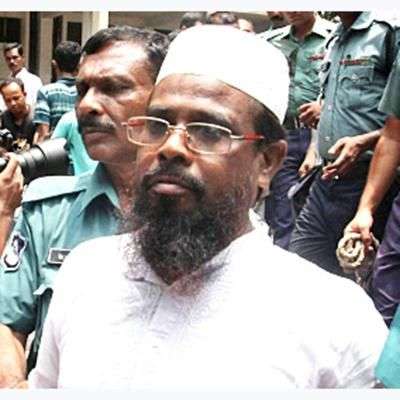
Bangladesh's highest court upheld the death sentence handed down to a top militant and two of his followers for a 2004 attack on the British ambassador that left three people dead.
The Supreme Court rejected the appeals by Mufti Abdul Hannan, head of Harkatul Jihad Al Islami (HuJI) and two members of the banned militant group.
The appeals are "dismissed", Chief Justice S.K. Sinha told the court in a brief ruling.
They could now be hanged within months unless they seek a review of the apex court's verdict. But chances of overturning a death sentence in a review is extremely rare in Bangladesh's judicial history.
"We think we'll seek a review of the verdict. But it depends on the decision of the three," Mohammad Ali, the state-appointed defence lawyer, told AFP.
The trio were originally convicted in 2008 of murder and masterminding the grenade attack in May 2004 on then British high commissioner Anwar Choudhury, who was only slightly injured.
The attack came just weeks after the Bangladeshi-born diplomat took up the post and occurred as he was visiting a historic Sufi shrine in the northeastern city of Sylhet.
The blast left three worshippers dead and scores injured.
Hannan was also being tried for the August 2004 grenade attack on an opposition political rally in Dhaka being held by Sheikh Hasina, the current Prime Minister. More than 20 people were killed and Hasina was wounded.
He has also been sentenced to death for a bomb attack on a Bengali new year's festival in 2001 that left 10 people dead and scores wounded.
The Supreme Court rejected the appeals by Mufti Abdul Hannan, head of Harkatul Jihad Al Islami (HuJI) and two members of the banned militant group.
The appeals are "dismissed", Chief Justice S.K. Sinha told the court in a brief ruling.
They could now be hanged within months unless they seek a review of the apex court's verdict. But chances of overturning a death sentence in a review is extremely rare in Bangladesh's judicial history.
"We think we'll seek a review of the verdict. But it depends on the decision of the three," Mohammad Ali, the state-appointed defence lawyer, told AFP.
The trio were originally convicted in 2008 of murder and masterminding the grenade attack in May 2004 on then British high commissioner Anwar Choudhury, who was only slightly injured.
The attack came just weeks after the Bangladeshi-born diplomat took up the post and occurred as he was visiting a historic Sufi shrine in the northeastern city of Sylhet.
The blast left three worshippers dead and scores injured.
Hannan was also being tried for the August 2004 grenade attack on an opposition political rally in Dhaka being held by Sheikh Hasina, the current Prime Minister. More than 20 people were killed and Hasina was wounded.
He has also been sentenced to death for a bomb attack on a Bengali new year's festival in 2001 that left 10 people dead and scores wounded.
— SOURCES
- (Sources: Afp, 07/12/2016)