
EGYPT: 12 PEOPLE SENTENCED TO DEATH ON TERRORIST CHARGES
between 23 and 26 August 2014, twelve people were sentenced to death on terrorism-related charges in two separate cases.
between 23 and 26 August 2014, twelve people were sentenced to death on terrorism-related charges in two separate cases.
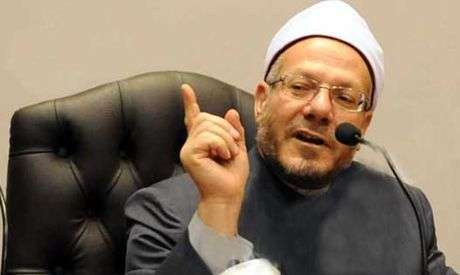
On 23 August 2014, in the first case, Giza criminal court sentenced five people to death for their involvement in the shooting of security personnel at Virgin Mary Coptic Church in January. The court referred the death sentence to Egypt’s Grand Mufti Shawqi Allam for approval, saying that it will issue its final verdict for the case on 20 September. The drive-by-shooting at the Virgin Mary Church killed a policeman and injured another. A firefight ensued between the attackers and police guarding the church, which ended in the apprehension of the gunmen.
On 26 August 2014, in a separate case, a military tribunal sentenced seven people to death on terrorism-related charges, the state-owned newspaper Al-Ahram reported. The sentences were referred to the Grand Mufti and the final ruling in the case was scheduled for 23 September. The defendants were arrested when police raided what they called a “terrorist cell” in Qalyubiya’s Arab Sharkas village in May. Eight people were killed in the raid, including two high-ranking military officers and six civilians identified as terrorists by the Armed Forces. The operation targeted a militant group implicated in an attack on a checkpoint on the Cairo-Ismailia Road in March, which claimed the lives of six military conscripts. The group was also linked to the bombing of the Cairo Security directorate in January, in addition to the assassination of Interior Ministry official Mohamed al-Saeed and National Security Agency officer Mohamed Mabrouk.
An unprecedented number of death penalties have been meted out in Egypt over the past year.
In response, a group of public figures in Egypt, including renowned writer Ahdaf Soueif, human rights lawyers Gamal Eid and Emad Mubarak, writer and director Khaled al-Khamissi and political figure Amr Hamzawy, have launched a campaign against capital punishment. The group decries “the apparent deterioration in the justice and legal system in Egypt,” as well as the use of torture to extract confessions in several cases, which is “worrying when it comes to a penalty that cannot be reversed,” their statement said.
Other human rights organizations, including the Arab Network for Human Rights Information, the Egyptian Initiative for Personal Rights and the Egyptian Center for Economic and Social Rights, also issued a joint statement expressing fear “of expanding the use of the death penalty in light of the recent escalation of repressive measures against political opposition.”
On 23 August 2014, in the first case, Giza criminal court sentenced five people to death for their involvement in the shooting of security personnel at Virgin Mary Coptic Church in January. The court referred the death sentence to Egypt’s Grand Mufti Shawqi Allam for approval, saying that it will issue its final verdict for the case on 20 September. The drive-by-shooting at the Virgin Mary Church killed a policeman and injured another. A firefight ensued between the attackers and police guarding the church, which ended in the apprehension of the gunmen.
On 26 August 2014, in a separate case, a military tribunal sentenced seven people to death on terrorism-related charges, the state-owned newspaper Al-Ahram reported. The sentences were referred to the Grand Mufti and the final ruling in the case was scheduled for 23 September. The defendants were arrested when police raided what they called a “terrorist cell” in Qalyubiya’s Arab Sharkas village in May. Eight people were killed in the raid, including two high-ranking military officers and six civilians identified as terrorists by the Armed Forces. The operation targeted a militant group implicated in an attack on a checkpoint on the Cairo-Ismailia Road in March, which claimed the lives of six military conscripts. The group was also linked to the bombing of the Cairo Security directorate in January, in addition to the assassination of Interior Ministry official Mohamed al-Saeed and National Security Agency officer Mohamed Mabrouk.
An unprecedented number of death penalties have been meted out in Egypt over the past year.
In response, a group of public figures in Egypt, including renowned writer Ahdaf Soueif, human rights lawyers Gamal Eid and Emad Mubarak, writer and director Khaled al-Khamissi and political figure Amr Hamzawy, have launched a campaign against capital punishment. The group decries “the apparent deterioration in the justice and legal system in Egypt,” as well as the use of torture to extract confessions in several cases, which is “worrying when it comes to a penalty that cannot be reversed,” their statement said.
Other human rights organizations, including the Arab Network for Human Rights Information, the Egyptian Initiative for Personal Rights and the Egyptian Center for Economic and Social Rights, also issued a joint statement expressing fear “of expanding the use of the death penalty in light of the recent escalation of repressive measures against political opposition.”
— SOURCES
- (Sources: english.ahram.org.eg, 23/08/2014; madamasr.com, 26/08/2014)