
GUYANA: SAME SEX DECRIMINALISATION, ABOLITION OF DEATH PENALTY AND CORPORAL PUNISHMENT FOR PARLIAMENT - GOV'T
In Guyana, the government has decided to take the ticklish issues of the abolition of the death penalty
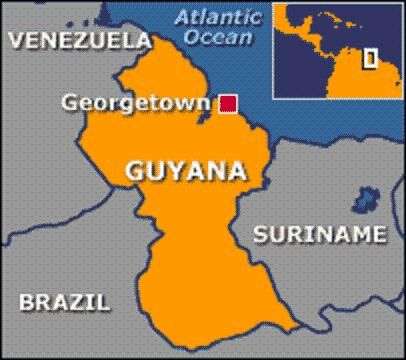
In Guyana, the government has decided to take the ticklish issues of the abolition of the death penalty and corporal punishment and decriminalising adult same sex unions to the National Assembly before it goes into recess next month.
This was announced by Human Services Minister Jennifer Webster as she briefed the media on Guyana’s participation at the 52nd meeting of the Committee for the Elimination of Discrimination Against Women in New York this week.
“Cabinet has decided to take these three issues to the National Assembly before it goes into recess and send them to a Parliamentary Special Select Committee which will invite and hear the views of the public,” Webster said.
The recess is scheduled to run from August 10 to October 10 and it is unlikely the committee’s work will get underway before the break.
The government in March announced that it would hold public consultations on the three issues but so far these have only been held on corporal punishment. Findings from those consultations are expected to inform the draft Education Bill 2012.
Cabinet Secretary Dr. Roger Luncheon who had made the March announcement had noted that the Cabinet remained split on the abolition of the death penalty and he recalled that legislative interventions during President Bharrat Jagdeo’s tenure had rejected abolition of the death penalty in favour of offering other penalties for some defined categories of murder.
Those consultations were to be wrapped up by year end.
Corporal punishment in schools is only to be administered by head teachers or those they designate while the criminalisation of same sex unions and the death penalty are holdovers from colonial days.
This was announced by Human Services Minister Jennifer Webster as she briefed the media on Guyana’s participation at the 52nd meeting of the Committee for the Elimination of Discrimination Against Women in New York this week.
“Cabinet has decided to take these three issues to the National Assembly before it goes into recess and send them to a Parliamentary Special Select Committee which will invite and hear the views of the public,” Webster said.
The recess is scheduled to run from August 10 to October 10 and it is unlikely the committee’s work will get underway before the break.
The government in March announced that it would hold public consultations on the three issues but so far these have only been held on corporal punishment. Findings from those consultations are expected to inform the draft Education Bill 2012.
Cabinet Secretary Dr. Roger Luncheon who had made the March announcement had noted that the Cabinet remained split on the abolition of the death penalty and he recalled that legislative interventions during President Bharrat Jagdeo’s tenure had rejected abolition of the death penalty in favour of offering other penalties for some defined categories of murder.
Those consultations were to be wrapped up by year end.
Corporal punishment in schools is only to be administered by head teachers or those they designate while the criminalisation of same sex unions and the death penalty are holdovers from colonial days.
— SOURCES
- (Sources: demerarawaves.com, 13/07/2012)