
JAPAN: PRISONER DIES AFTER 46 YEARS ON DEATH ROW
Masaru Okunishi, a death-row inmate who was seeking a retrial over a 1961 wine poisoning case, died at the Hachioji medical prison in western Tokyo. He was 89.
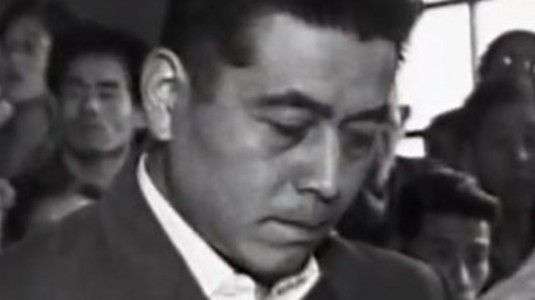
Masaru Okunishi, a death-row inmate who was seeking a retrial over a 1961 wine poisoning case, died at the Hachioji medical prison in western Tokyo. He was 89.
He had been detained for 46 years since 1969 over the case, in which five women, including his wife and lover, died in the Mie Prefecture city of Nabari in March 1961 after drinking poisoned wine.
He maintained his innocence and was determined to seek a retrial. Eight previous requests for a retrial were rejected. He was moved to the medical prison from Nagoya Detention Centre in 2012 after his health deteriorated.
“Okunishi Masaru may not have gone to the gallows, but Japan’s justice system totally failed him. It is outrageous he was denied the retrial his case unquestionably merited and instead was left to languish on death row for more than 46 years,” said Hiroka Shoji, East Asia Researcher at Amnesty International.
“It is too late for Okunishi Masaru but others remain on death row convicted primarily on the basis of forced “confessions”. The Japanese authorities must urgently review their cases to ensure that time does not run out for them to see justice.”
Okunishi Masaru had been on death row since 1969, after being convicted of the murders of five women. He “confessed” to the crime after being interrogated by police for many hours over five days and with no lawyer present.
During his first trial he retracted his “confession” and was acquitted due to lack of evidence. However, a higher court reversed the verdict and sentenced him to death.
For more than four decades, he lived in constant fear that each day could be his last.
Death row inmates in Japan are only informed hours ahead of their execution, which takes place in secret. Like most prisoners facing execution, he spent nearly all his time locked up in solitary confinement.
The Japanese justice system continues to rely heavily on “confessions” obtained through torture or other ill-treatment. There are no clear limits on the length of interrogations, which are not fully recorded and which lawyers are not permitted to attend.
Twelve people have been executed since Prime Minister Shinzo Abe took office in December 2012. The number of death row inmates, at 128, is at one of the highest levels in Japan in over half a century.
He had been detained for 46 years since 1969 over the case, in which five women, including his wife and lover, died in the Mie Prefecture city of Nabari in March 1961 after drinking poisoned wine.
He maintained his innocence and was determined to seek a retrial. Eight previous requests for a retrial were rejected. He was moved to the medical prison from Nagoya Detention Centre in 2012 after his health deteriorated.
“Okunishi Masaru may not have gone to the gallows, but Japan’s justice system totally failed him. It is outrageous he was denied the retrial his case unquestionably merited and instead was left to languish on death row for more than 46 years,” said Hiroka Shoji, East Asia Researcher at Amnesty International.
“It is too late for Okunishi Masaru but others remain on death row convicted primarily on the basis of forced “confessions”. The Japanese authorities must urgently review their cases to ensure that time does not run out for them to see justice.”
Okunishi Masaru had been on death row since 1969, after being convicted of the murders of five women. He “confessed” to the crime after being interrogated by police for many hours over five days and with no lawyer present.
During his first trial he retracted his “confession” and was acquitted due to lack of evidence. However, a higher court reversed the verdict and sentenced him to death.
For more than four decades, he lived in constant fear that each day could be his last.
Death row inmates in Japan are only informed hours ahead of their execution, which takes place in secret. Like most prisoners facing execution, he spent nearly all his time locked up in solitary confinement.
The Japanese justice system continues to rely heavily on “confessions” obtained through torture or other ill-treatment. There are no clear limits on the length of interrogations, which are not fully recorded and which lawyers are not permitted to attend.
Twelve people have been executed since Prime Minister Shinzo Abe took office in December 2012. The number of death row inmates, at 128, is at one of the highest levels in Japan in over half a century.
— SOURCES
- (Sources: amnesty.org, 04/10/2015)