
NIGERIA: DELTA LAWMAKERS PASS BILL ON KIDNAPPING, TERRORISM
In Nigeria, Delta State House of Assembly passed a bill stipulating death sentence
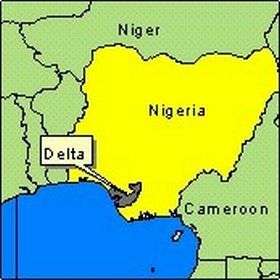
In Nigeria, Delta State House of Assembly passed a bill stipulating death sentence for kidnappers and terrorists.
The bill, known as “Law to Prohibit Terrorism, Kidnapping, Hostage-taking, Cultism, Use of Bombs and Explosives and Other Matters thereto”, was unanimously passed by the 28 members of the House after consideration in a committee of the whole, presided over by the speaker, Victor Ochei.
Under the new bill, a traditional ruler in the state in whose domain hostages are held to his knowledge will be deposed or his kingship withdrawn.
Also, a telecommunications company, which refuses to make available to security agencies, within 24 hours of request, information on the communication made by a suspected kidnapper or terrorist, will pay a fine of N20 million for every request not granted.
The Clerk of the House, will, in the next few days, dispatch the bill to the governor, Dr. Emmanuel Uduaghan, who is opposed to death penalty for such capital offences, for assent.
One of the lawmakers told Vanguard, yesterday: “I do not want to say that the governor will sign the bill or not. But suffice it to say that this is the second time the House is passing such a bill. He refused to sign the earlier one. If he does that again, we will invoke our veto power under the Constitution.”
Other highlights of the bill are that the governor, or his authorized representative, shall have power to sign an order authorizing the sealing up of premises used to harbor persons kidnapped or held hostage, with or without the demand of ransom.
The bill states that the sealing of the premises shall remain in place until a competent court decides on the forfeiture.
It is an offence under the Act, for a person, who, not being a member of the armed forces, unlawfully receives or has in his possession, bombs and other explosives with intent to cause harm. Such a person is liable, on conviction, to 14 years imprisonment. The same goes for those that manufacture the explosives.
It also forbids a person or group of persons from threatening the life of anybody through letters, phone calls or other electronic methods and gadgets, as any person found guilty is liable, upon conviction, to 14 years imprisonment.
For person in authority who receives information on operations of kidnappers and terrorists and fails to take proper action, he is liable on conviction to three years imprisonment.
Community ruling organs, including executives of town, trust members and youth leaders in whose domain people are held hostage with their knowledge are also liable on conviction to be jailed for five years without option of fine.
Besides, those who aid and assist kidnappers to escape will be sentenced to 21 years imprisonment on conviction.
The bill, known as “Law to Prohibit Terrorism, Kidnapping, Hostage-taking, Cultism, Use of Bombs and Explosives and Other Matters thereto”, was unanimously passed by the 28 members of the House after consideration in a committee of the whole, presided over by the speaker, Victor Ochei.
Under the new bill, a traditional ruler in the state in whose domain hostages are held to his knowledge will be deposed or his kingship withdrawn.
Also, a telecommunications company, which refuses to make available to security agencies, within 24 hours of request, information on the communication made by a suspected kidnapper or terrorist, will pay a fine of N20 million for every request not granted.
The Clerk of the House, will, in the next few days, dispatch the bill to the governor, Dr. Emmanuel Uduaghan, who is opposed to death penalty for such capital offences, for assent.
One of the lawmakers told Vanguard, yesterday: “I do not want to say that the governor will sign the bill or not. But suffice it to say that this is the second time the House is passing such a bill. He refused to sign the earlier one. If he does that again, we will invoke our veto power under the Constitution.”
Other highlights of the bill are that the governor, or his authorized representative, shall have power to sign an order authorizing the sealing up of premises used to harbor persons kidnapped or held hostage, with or without the demand of ransom.
The bill states that the sealing of the premises shall remain in place until a competent court decides on the forfeiture.
It is an offence under the Act, for a person, who, not being a member of the armed forces, unlawfully receives or has in his possession, bombs and other explosives with intent to cause harm. Such a person is liable, on conviction, to 14 years imprisonment. The same goes for those that manufacture the explosives.
It also forbids a person or group of persons from threatening the life of anybody through letters, phone calls or other electronic methods and gadgets, as any person found guilty is liable, upon conviction, to 14 years imprisonment.
For person in authority who receives information on operations of kidnappers and terrorists and fails to take proper action, he is liable on conviction to three years imprisonment.
Community ruling organs, including executives of town, trust members and youth leaders in whose domain people are held hostage with their knowledge are also liable on conviction to be jailed for five years without option of fine.
Besides, those who aid and assist kidnappers to escape will be sentenced to 21 years imprisonment on conviction.
— SOURCES
- (Sources: vanguardngr.com, 08/11/2012)