Taiwan passes death penalty for repeat drugged-driving fatalities
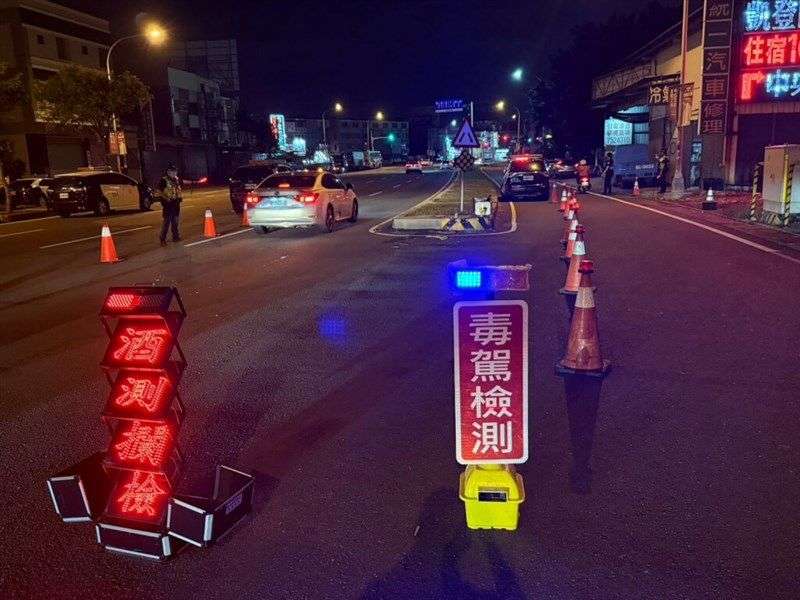
Taiwan legislature on Oct. 30, 2026 passed amendments to the Criminal Code that increase penalties for driving under the influence of drugs, allowing the death penalty for repeat offenders who cause fatalities within 10 years.
Lawmakers passed the amendments to Article 185-3 after the Kuomintang (KMT) and Taiwan People's Party (TPP) joined forces to approve their version of the bill, per FTV News. Under the revised law, drug-impaired driving carries a prison sentence of six months to five years and a fine of up to NT$500,000 (US$15,800).
If the offense causes death, the penalty increases to at least seven years in prison, with a possible fine of up to NT$7 million. Causing serious injury carries five to 12 years in prison and a fine of up to NT$5 million.
Those who reoffend within 10 years and cause a death face the death penalty, life imprisonment, or at least 10 years in prison, along with a possible fine of up to NT$10 million, according to FTV News. Repeat offenders who cause serious injuries face at least seven years in prison and a possible fine of up to NT$7 million.
The amendments follow several high-profile drugged-driving incidents that have fueled public calls for tougher penalties, per TVBS.
The Cabinet approved its own proposed amendments to Article 185-3 on June 11, calling for a prison sentence of five to 12 years for drug-impaired driving resulting in death, per TVBS. Under its proposal, repeat offenders who cause a fatality within 10 years could face life imprisonment, but not the death penalty.
The Cabinet's version was rejected on Oct. 30 by a vote of 57-41, with 98 lawmakers present. The KMT and TPP version subsequently passed 57-1, with one abstention, among 59 lawmakers present.
Most Democratic Progressive Party (DPP) lawmakers did not participate in the final vote, citing insufficient substantive discussion of the legislation, TVBS reported.
DPP caucus chief executive Chuang Jui-hsiung was the only party member to vote against the measure.
- (Source: Taiwan News, 30/10/2026)