
UGANDA: PRESIDENT MUSEVENI PARDONS SHARMA KOOKY
After spending 12 years behind bars at Luzira Maximum Security Prisons, in Uganda, for
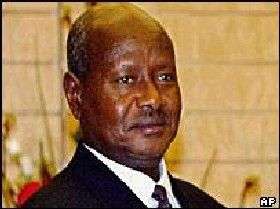
After spending 12 years behind bars at Luzira Maximum Security Prisons, in Uganda, for murdering his wife, Sharma Kooky is now a free man. President Yoweri Museveni pardoned him on humanitarian grounds.
Now basking in freedom, Kooky reportedly tortured his wife to death by electrocuting her at their family residence in Old Kampala Martin road a dozen years ago.
In 2000, the High Court sentenced to death Kooky and his younger brother Davinder Kumar after they were found guilty of torturing and killing Renu Joshi.
Kumar was released after an appeal to the Supreme Court in 2002 while the same court maintained his elder brother’s punishment.
Kooky's struggle for freedom was put to Museveni's attention when the then Attorney General on May 5, 2006 recommended that the city businessman 's case be considered by the Advisory Committee on the prerogative of mercy.
The committee later advised that the President grants the Indian prisoner pardon on humanitarian grounds.
The Commissioner of Prisons received a copy of Museveni's March 22, 2012 pardon order on Monday.
Uganda Prisons Service is mandated to compile a list of prisoners from various detention centres who qualify for presidential pardon and then submit the names to the Attorney General's office for approval annually.
The prison's publicist Frank Baine says the department submitted ‘a long list’ of prisoners for presidential pardon.
The list included the elderly above 54 years, pregnant women, the terminally sick prisoners, petty offenders, capital offenders remaining with only six months of their sentence and convicts on death row.
"We expect more feedback on the other names submitted,” says Baine.
The prerogative of mercy committee is an executive process that comes after the judiciary has concluded its duties.
It is a system that mandates the President to exercise his powers through the prerogative of mercy to release prisoners.
According to the law, the president has no powers to intervene in criminal prosecution. However under article 121 of the 1995 constitution, through the advisory committee of prerogative of mercy, the president is mandated to exercise his rights to release prisoners.
President Museveni made his last presidential pardons in 2009 when he released Obote's former Internal Affairs Minister Chris Rwakasisi and the former Governor of the Central Province during Amin regime Abdullah Nassur who were on death row in Luzira's Upper Prison.
Now basking in freedom, Kooky reportedly tortured his wife to death by electrocuting her at their family residence in Old Kampala Martin road a dozen years ago.
In 2000, the High Court sentenced to death Kooky and his younger brother Davinder Kumar after they were found guilty of torturing and killing Renu Joshi.
Kumar was released after an appeal to the Supreme Court in 2002 while the same court maintained his elder brother’s punishment.
Kooky's struggle for freedom was put to Museveni's attention when the then Attorney General on May 5, 2006 recommended that the city businessman 's case be considered by the Advisory Committee on the prerogative of mercy.
The committee later advised that the President grants the Indian prisoner pardon on humanitarian grounds.
The Commissioner of Prisons received a copy of Museveni's March 22, 2012 pardon order on Monday.
Uganda Prisons Service is mandated to compile a list of prisoners from various detention centres who qualify for presidential pardon and then submit the names to the Attorney General's office for approval annually.
The prison's publicist Frank Baine says the department submitted ‘a long list’ of prisoners for presidential pardon.
The list included the elderly above 54 years, pregnant women, the terminally sick prisoners, petty offenders, capital offenders remaining with only six months of their sentence and convicts on death row.
"We expect more feedback on the other names submitted,” says Baine.
The prerogative of mercy committee is an executive process that comes after the judiciary has concluded its duties.
It is a system that mandates the President to exercise his powers through the prerogative of mercy to release prisoners.
According to the law, the president has no powers to intervene in criminal prosecution. However under article 121 of the 1995 constitution, through the advisory committee of prerogative of mercy, the president is mandated to exercise his rights to release prisoners.
President Museveni made his last presidential pardons in 2009 when he released Obote's former Internal Affairs Minister Chris Rwakasisi and the former Governor of the Central Province during Amin regime Abdullah Nassur who were on death row in Luzira's Upper Prison.
— SOURCES
- (Sources: newvision.co.ug, 27/03/2012)