
USA - California. Deborah J. Ross supports Gov. Newsom’s commutation
The writer's mother was raped and killed in 1986
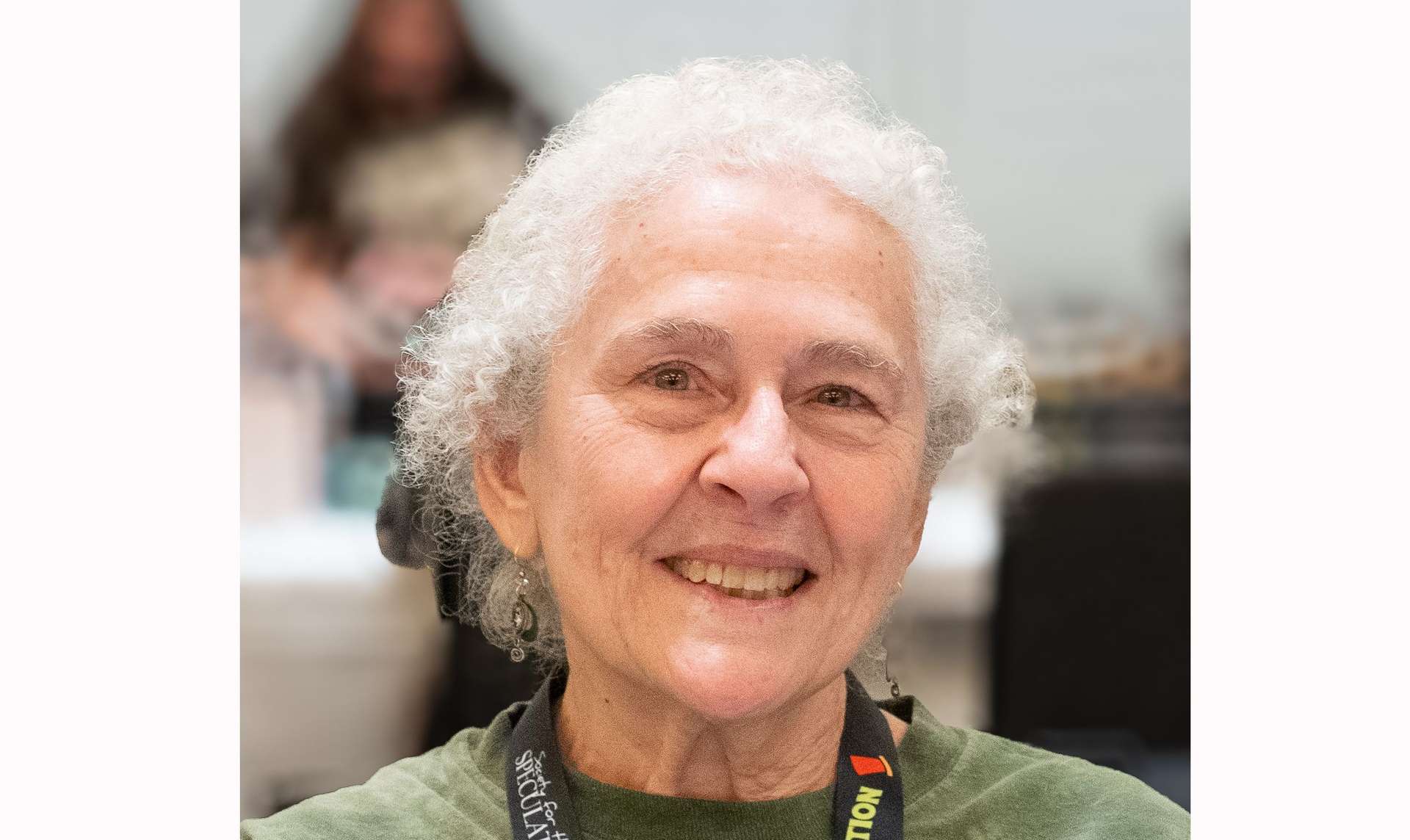
November 22, 2026 - California. Deborah J. Ross* supports Gov. Newsom’s commutation.
The writer's mother was raped and killed in 1986
I lost a loved one to murder. I support Newsom’s commutation of California death sentences
Gov. Gavin Newsom announced he would commute over 500 California death sentences to life in prison during his final months in office. As a surviving family member of a murder victim, I agree with Newsom’s action.
In my experience, capital punishment harms the survivors by interfering with the natural recovery process. When we focus on revenge instead of healing, we never heal.
Anger and the craving for revenge are normal reactions when someone you love is killed. These feelings fuel the illusion that retribution erases pain, and popular media constantly reinforces this illusion.
For many family members of a murder victim, they have not only lost a loved one, but also their belief in the decency of fellow humans and their sense of safety in the world.
I’ve listened with an open heart to families of those who have been executed; their loss is the same as mine. The life of their loved one was not taken in a moment of anger or passion but by the cold, deliberate malice of the government.
I don’t want anyone to suffer as I have. I refuse to allow my personal tragedy to be used as justification for deliberate, state-sanctioned murder.
No killing in my name.
Deborah J. Ross, Boulder Creek, Santa Cruz County
*Deborah J. Ross, aged 79, white, is an American science fiction and fantasy writer who is fairly well known in the United States, and has long been involved in the US movement to abolish the death penalty.
In 1986, her mother, aged 70, was murdered by a teenage neighbour who had broken into their home, raped her and beaten her brutally. Ross has recounted on several occasions that for years she felt an intense desire for revenge, even imagining killing her mother’s murderer herself. Over time, however, she came to the conclusion that revenge does not aid the psychological healing of survivors.
When she speaks or writes about these matters, Ross describes anger as a biological and adaptive response in the early stages of trauma. She neither denies it nor moralises about it. She argues, however, that if institutions continue to fuel that anger through decades of capital cases, the bereaved family member risks remaining psychologically tied to the traumatic event rather than integrating it into their life story. This is a theme that recurs frequently in her writings.
In the debate on the death penalty in the United States, her testimony is often cited because it contradicts the assumption that victims’ families necessarily wish to see the perpetrator executed. Ross insists, instead, that victims’ families are not a homogeneous group and that many do not call for the perpetrator’s death at all.
- (Source: San Francisco Chronicle)
- https://www.sfchronicle.com/opinion/letterstotheeditor/article/death-sentence-prison-california-22541761.php