
SAUDIS FACE SOARING BLOOD-MONEY SUMS; TRIBES, FAMILIES ARE DEMANDING MILLIONS
the Washington Post reported on the case of Badr al-Hasnani, who was 18 when he got into a fight with a soccer rival and fatally stabbed him, in a discussion on the soaring cost of blood money in Saudi Arabia.
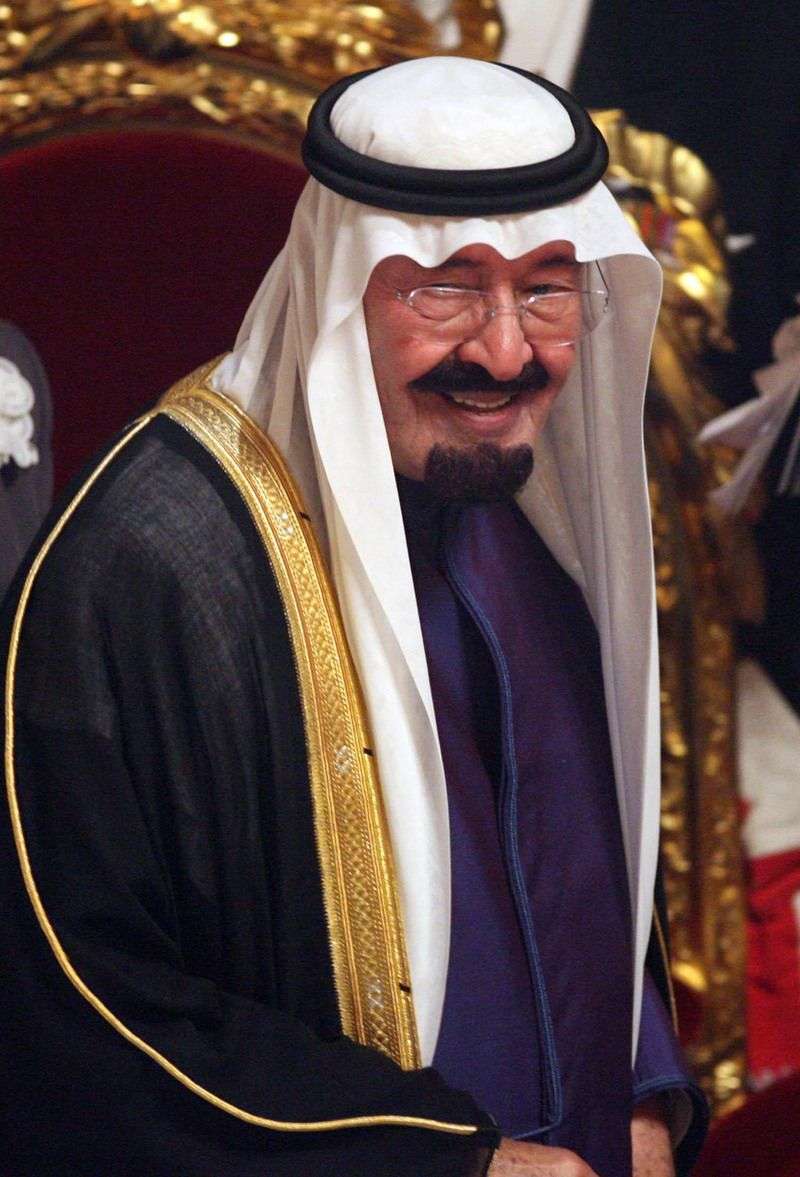
the Washington Post reported on the case of Badr al-Hasnani, who was 18 when he got into a fight with a soccer rival and fatally stabbed him, in a discussion on the soaring cost of blood money in Saudi Arabia.
Al-Hasnani confessed and was sentenced to death by beheading, as prescribed by sharia, or Islamic law. The parents of the victim, Majid al-Mahmoudi, have three options under sharia: to demand punishment, to spare Hasnani's life to receive blessings from God, or to grant clemency in exchange for diyah, or blood money. The Mahmoudis agreed to accept diyah, setting the sum at $2 million in cash, much more than Hasnani's family can afford. Hasnani's case highlights the growing trend of exorbitant blood-money demands, which many say are fueled by greed and tribal rivalries. Last month, tribal leaders in the central city of Kharj demanded nearly $11 million to pardon a man who had killed a member of their tribe. Officials, clerics and writers have spoken out against the excessive requests, saying an ancient Islamic practice meant to financially support those who lose loved ones has been corrupted. King Abdullah, who has paid off several blood-money debts over the past few years, has been quoted as saying that the amount should not exceed $130,000. The minimum set by the government is $32,000.
Al-Hasnani confessed and was sentenced to death by beheading, as prescribed by sharia, or Islamic law. The parents of the victim, Majid al-Mahmoudi, have three options under sharia: to demand punishment, to spare Hasnani's life to receive blessings from God, or to grant clemency in exchange for diyah, or blood money. The Mahmoudis agreed to accept diyah, setting the sum at $2 million in cash, much more than Hasnani's family can afford. Hasnani's case highlights the growing trend of exorbitant blood-money demands, which many say are fueled by greed and tribal rivalries. Last month, tribal leaders in the central city of Kharj demanded nearly $11 million to pardon a man who had killed a member of their tribe. Officials, clerics and writers have spoken out against the excessive requests, saying an ancient Islamic practice meant to financially support those who lose loved ones has been corrupted. King Abdullah, who has paid off several blood-money debts over the past few years, has been quoted as saying that the amount should not exceed $130,000. The minimum set by the government is $32,000.
— SOURCES
- (Sources: Washington Post, 27/07/2008)