
THE DEATH PENALTY IN NORTH KOREA: IN THE MACHINERY OF A TOTALITARIAN STATE
In a report published today, "The death penalty in North Korea: in the machinery of a totalitarian
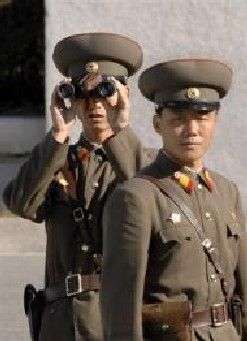
In a report published today, "The death penalty in North Korea: in the machinery of a totalitarian State", FIDH (Fédération Internationale des Droits de l'Homme) denounces the nature and scale of executions in North Korea. The report concludes that the death penalty remains, in North Korea, an essential part of the totalitarian system in place.
Due to the lack of access to North Korea for independent human rights organizations to enter North Korea, and the difficulty to obtain any data from authorities, FIDH sent a fact-finding mission to Seoul in December 2012 to collect first-hand testimonies from a total of 12 North Korean asylum seekers
In the 90's, during the great famine, the regime extensively used the death penalty in order to maintain order through force and terror and thus dissuade any subversive act, including attempts to flee abroad. Over a thousand public executions would have been carried out in only a few years. Since then, the government has continued to use the death penalty on a large-scale as a repressive tool, executing individuals guilty of so-called "economical crimes", "treason" or other crimes vaguely defined, basically applying capital punishment for anyone considered as disturbing public order.
"In North Korea, insignificant acts, which according to the regime affect the State's legitimacy or ideology, including the cult of personality for the country's leaders, can lead you to a firing squad", declared Souhayr Belhassen, FIDH President.
Due to the lack of access to North Korea for independent human rights organizations to enter North Korea, and the difficulty to obtain any data from authorities, FIDH sent a fact-finding mission to Seoul in December 2012 to collect first-hand testimonies from a total of 12 North Korean asylum seekers
In the 90's, during the great famine, the regime extensively used the death penalty in order to maintain order through force and terror and thus dissuade any subversive act, including attempts to flee abroad. Over a thousand public executions would have been carried out in only a few years. Since then, the government has continued to use the death penalty on a large-scale as a repressive tool, executing individuals guilty of so-called "economical crimes", "treason" or other crimes vaguely defined, basically applying capital punishment for anyone considered as disturbing public order.
"In North Korea, insignificant acts, which according to the regime affect the State's legitimacy or ideology, including the cult of personality for the country's leaders, can lead you to a firing squad", declared Souhayr Belhassen, FIDH President.
— SOURCES
- (Sources: FIDH, 17/05/2013)