
USA. SUPREME COURT UPHOLDS USE OF LETHAL INJECTIONS
The US Supreme Court upheld the most common method of lethal injections executions, clearing the way for states to resume executions that have been on hold for nearly 7 months.
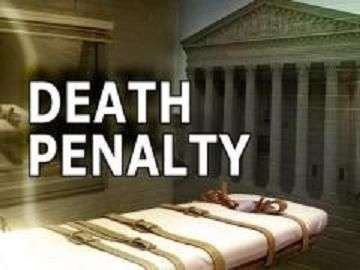
The US Supreme Court upheld the most common method of lethal injections executions, clearing the way for states to resume executions that have been on hold for nearly 7 months.
The justices, by a 7-2 vote, turned back a constitutional challenge to the procedures in place in Kentucky, which uses three drugs to sedate, paralyze and kill inmates. Similar methods are used by roughly three dozen states.
"We ... agree that petitioners have not carried their burden of showing that the risk of pain from maladministration of a concededly humane lethal injection protocol, and the failure to adopt untried and untested alternatives, constitute cruel and unusual punishment," Chief Justice John Roberts said in an opinion that garnered only three votes.
Four other justices, however, agreed with the outcome. Roberts' opinion did leave open subsequent challenges to lethal injection practices if a state refused to adopt an alternative method that significantly reduced the risk of severe pain.
Justices Ruth Bader Ginsburg and David Souter dissented.
Executions have been on hold since September, when the court agreed to hear the Kentucky case. There was no immediate indication when they would resume, but prosecutors in several states said they would seek new execution dates if the court ruled favorably in the Kentucky case.
The argument against the three-drug protocol is that if the initial anesthetic does not take hold, the other two drugs can cause excruciating pain. One of those drugs, a paralytic, would render the prisoner unable to express his discomfort.
The justices, by a 7-2 vote, turned back a constitutional challenge to the procedures in place in Kentucky, which uses three drugs to sedate, paralyze and kill inmates. Similar methods are used by roughly three dozen states.
"We ... agree that petitioners have not carried their burden of showing that the risk of pain from maladministration of a concededly humane lethal injection protocol, and the failure to adopt untried and untested alternatives, constitute cruel and unusual punishment," Chief Justice John Roberts said in an opinion that garnered only three votes.
Four other justices, however, agreed with the outcome. Roberts' opinion did leave open subsequent challenges to lethal injection practices if a state refused to adopt an alternative method that significantly reduced the risk of severe pain.
Justices Ruth Bader Ginsburg and David Souter dissented.
Executions have been on hold since September, when the court agreed to hear the Kentucky case. There was no immediate indication when they would resume, but prosecutors in several states said they would seek new execution dates if the court ruled favorably in the Kentucky case.
The argument against the three-drug protocol is that if the initial anesthetic does not take hold, the other two drugs can cause excruciating pain. One of those drugs, a paralytic, would render the prisoner unable to express his discomfort.
— SOURCES
- (Sources: Ap, 16/04/2008)