
A legal practitioner and former Chairman of the Kaduna...
A legal practitioner and former Chairman of the Kaduna branch of the Nigerian Bar Association (NBA), Daniel Enwelum, said that Nigerian President Olusegun Obasanjo has no constitutional rights to stop the execution of the death sentence on Safiya Hussain,
2 MIN READ
A legal practitioner and former Chairman of the Kaduna branch of the Nigerian Bar Association (NBA), Daniel Enwelum, said that Nigerian President Olusegun Obasanjo has no constitutional rights to stop the execution of the death sentence on Safiya Hussain, the woman convicted for adultery in Sokoto State.
The woman, currently nursing a baby who is the product of the "adultery", is expected to be stoned to death as prescribed by the Sharia law.
"The president cannot give orders to stop the execution of the sentence because he would be acting ultra vires [beyond his powers]," Emwehum said.
"The Federal Government or any of its arms cannot dabble into the matter because they do not have the locus standi. It is only the woman or her relations who can challenge the conviction in a higher court."
In an interview with This Day in Kaduna, Enwelum acknowledged that the sentence contravenes certain sections of the 1999 Constitution and the African Charter on Human and People Rights, but pointed out that Safiya was sentenced to death through a valid (Sharia) law as passed by the Sokoto State House of Assembly.
He said that the only option open to Safiya was to challenge her conviction in a Court of Appeal.
"There is the Sharia Court of Appeal in Sokoto State which I think may likely uphold the judgement of the lower court, but if she goes to the Court of Appeal, I believe we shall begin to see the light at the end of the tunnel."
Enwelum argued that the court of Appeal would likely test the judgement against provisions of the African Charter on Human and People's Right of which Nigeria is a signatory.
Quoting the case: Gani Fawhinmi versus Sani Abacha and others, he noted that the Supreme Court had ruled that the African Charter is superior to all local legislation of the subscribers.
He said, "the Africa Charter is a convention of the OAU (African Union) and Nigeria subscribed to the treaty and it is part of Nigeria's laws.
"But you must also look at it from the angle that Safiya was tried and sentenced under a valid law, made by a valid legislature.
"If she was raped as she now claims, then the issue of adultery is wrong and her conviction is wrong but the question is, did she give evidence of rape at the retrial and did she call the necessary witnesses?"
The woman, currently nursing a baby who is the product of the "adultery", is expected to be stoned to death as prescribed by the Sharia law.
"The president cannot give orders to stop the execution of the sentence because he would be acting ultra vires [beyond his powers]," Emwehum said.
"The Federal Government or any of its arms cannot dabble into the matter because they do not have the locus standi. It is only the woman or her relations who can challenge the conviction in a higher court."
In an interview with This Day in Kaduna, Enwelum acknowledged that the sentence contravenes certain sections of the 1999 Constitution and the African Charter on Human and People Rights, but pointed out that Safiya was sentenced to death through a valid (Sharia) law as passed by the Sokoto State House of Assembly.
He said that the only option open to Safiya was to challenge her conviction in a Court of Appeal.
"There is the Sharia Court of Appeal in Sokoto State which I think may likely uphold the judgement of the lower court, but if she goes to the Court of Appeal, I believe we shall begin to see the light at the end of the tunnel."
Enwelum argued that the court of Appeal would likely test the judgement against provisions of the African Charter on Human and People's Right of which Nigeria is a signatory.
Quoting the case: Gani Fawhinmi versus Sani Abacha and others, he noted that the Supreme Court had ruled that the African Charter is superior to all local legislation of the subscribers.
He said, "the Africa Charter is a convention of the OAU (African Union) and Nigeria subscribed to the treaty and it is part of Nigeria's laws.
"But you must also look at it from the angle that Safiya was tried and sentenced under a valid law, made by a valid legislature.
"If she was raped as she now claims, then the issue of adultery is wrong and her conviction is wrong but the question is, did she give evidence of rape at the retrial and did she call the necessary witnesses?"
— SOURCES
- (Sources: This Day, Africa News Service, 18/12/2001)
KEEP READING
ALL THE NEWS · DEATH PENALTY On the same front

DEATH PENALTYAUGUST 31, 2026
Pakistan: ASI sentenced to death for killing two brothers in Swabi

DEATH PENALTYAUGUST 31, 2026
Bangladesh: HC confirms death sentence of lone accused for rape, murder of 8-year-old Asiya

DEATH PENALTYAUGUST 30, 2026
Pakistan: Man sentenced to death, brother gets life term for double murder in 2021
DEATH PENALTYAUGUST 23, 2026
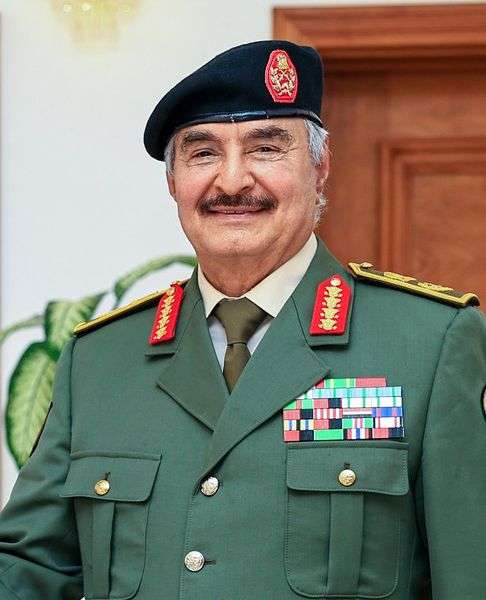
Eastern Libya executes 10 convicted on terrorism charges

DEATH PENALTYAUGUST 21, 2026
Japan: man executed over killing 5 people
DEATH PENALTYAUGUST 15, 2026