
After independence from Britain in 1980, there were nine offences which warranted
After independence from Britain in 1980, there were nine offences which warranted
3 MIN READ
Since July 2015, Zimbabwe can be considered de facto abolitionist country, after ten consecutive years without carrying out executions.
Since independence from Britain in 1980, according to official figures, 79 people were executed in Zimbabwe. The last person to be executed was Mandlenkosi “Never” Masina Mandha, who was hanged on 22 July 2005 after being convicted of murder.
Zimbabwe’s new Constitution, which was approved by 94.5% of voters in a constitutional referendum held in March 2013, abolished the death sentence for women and those under the age of 21 and above 70 years. “Every person has the right to life,” is written in Section 48 the new Charter. However, “A law may permit the death penalty to be imposed only on a person convicted of murder committed in aggravating circumstances,” it adds. “The law must permit the court a discretion whether or not to impose the penalty,” the Constitution states.
On 21 October 2014, the High Court ruled that the death penalty cannot be imposed on murderers in Zimbabwe until the legislature enacts a law spelling out the circumstances under which one can be hanged.
Since December 10, 2014 Emmerson Mnangagwa is acting as President and Justice, Legal and Parliamentary Affairs Minister. He was on death row in the '60s and has reiterated he wants the death penalty “totally” abolished by the Constitution.
In 2015, at least 2 new death sentence were imposed in Zimbabwe. On 3 February, a 39-year-old man, Samson Mutero, was sentenced to death by the High Court after being convicted of murdering his 3-year-old stepdaughter whom he had raped. On 21 June, a High Court judge sent a man to the gallows for the murder and robbery of an 83-year-old man.
On 15 July 2015, Shylet Sibanda, the only female inmate who was on death row was removed after her sentence was commuted to life imprisonment in compliance with the new constitution. Sibanda, her husband Tongai Zireni Mutengerere and a family friend Darlington Nyaungwe, were all sentenced to death by hanging for murdering Daniel Sithole in 2010 and stealing the deceased’s vehicle. Another woman on death row, Rosemary Margaret Khumalo, had died of natural causes at Chikurubi Prison on 15 July 2014.
Harare Central Prison is the only prison designed for death row inmates but some of the prisoners sentenced to death were now being kept at Chikurubi Maximum Prison because of shortage of space, a situation that has left a number of the condemned prisoners subjected to psychological torture as a result of the delays in carrying out the executions. Fourteen inmates in Harare are challenging the constitutionality of their continued incarceration and are seeking an order by the Constitutional Court to have their cases remitted for resentencing so that their sentences can be commuted to life sentences.
In October 2011, Zimbabwe was reviewed under the Universal Periodic Review (UPR) of the UN Human Rights Council. The country’s delegation rejected recommendations to install an official moratorium or commute death sentences. However, recommendations to “consider ratifying” the Second Optional Protocol to the ICCPR and to “take measures” to abolish the death penalty were accepted.
On 18 December 2014, Zimbabwe voted against the Resolution on a Moratorium on the Use of the Death Penalty at the UN General Assembly.
Since independence from Britain in 1980, according to official figures, 79 people were executed in Zimbabwe. The last person to be executed was Mandlenkosi “Never” Masina Mandha, who was hanged on 22 July 2005 after being convicted of murder.
Zimbabwe’s new Constitution, which was approved by 94.5% of voters in a constitutional referendum held in March 2013, abolished the death sentence for women and those under the age of 21 and above 70 years. “Every person has the right to life,” is written in Section 48 the new Charter. However, “A law may permit the death penalty to be imposed only on a person convicted of murder committed in aggravating circumstances,” it adds. “The law must permit the court a discretion whether or not to impose the penalty,” the Constitution states.
On 21 October 2014, the High Court ruled that the death penalty cannot be imposed on murderers in Zimbabwe until the legislature enacts a law spelling out the circumstances under which one can be hanged.
Since December 10, 2014 Emmerson Mnangagwa is acting as President and Justice, Legal and Parliamentary Affairs Minister. He was on death row in the '60s and has reiterated he wants the death penalty “totally” abolished by the Constitution.
In 2015, at least 2 new death sentence were imposed in Zimbabwe. On 3 February, a 39-year-old man, Samson Mutero, was sentenced to death by the High Court after being convicted of murdering his 3-year-old stepdaughter whom he had raped. On 21 June, a High Court judge sent a man to the gallows for the murder and robbery of an 83-year-old man.
On 15 July 2015, Shylet Sibanda, the only female inmate who was on death row was removed after her sentence was commuted to life imprisonment in compliance with the new constitution. Sibanda, her husband Tongai Zireni Mutengerere and a family friend Darlington Nyaungwe, were all sentenced to death by hanging for murdering Daniel Sithole in 2010 and stealing the deceased’s vehicle. Another woman on death row, Rosemary Margaret Khumalo, had died of natural causes at Chikurubi Prison on 15 July 2014.
Harare Central Prison is the only prison designed for death row inmates but some of the prisoners sentenced to death were now being kept at Chikurubi Maximum Prison because of shortage of space, a situation that has left a number of the condemned prisoners subjected to psychological torture as a result of the delays in carrying out the executions. Fourteen inmates in Harare are challenging the constitutionality of their continued incarceration and are seeking an order by the Constitutional Court to have their cases remitted for resentencing so that their sentences can be commuted to life sentences.
In October 2011, Zimbabwe was reviewed under the Universal Periodic Review (UPR) of the UN Human Rights Council. The country’s delegation rejected recommendations to install an official moratorium or commute death sentences. However, recommendations to “consider ratifying” the Second Optional Protocol to the ICCPR and to “take measures” to abolish the death penalty were accepted.
On 18 December 2014, Zimbabwe voted against the Resolution on a Moratorium on the Use of the Death Penalty at the UN General Assembly.
KEEP READING
ALL THE NEWS · DEATH PENALTY On the same front
DEATH PENALTYAUGUST 31, 2026
Pakistan: ASI sentenced to death for killing two brothers in Swabi

DEATH PENALTYAUGUST 30, 2026
Pakistan: Man sentenced to death, brother gets life term for double murder in 2021
DEATH PENALTYAUGUST 23, 2026
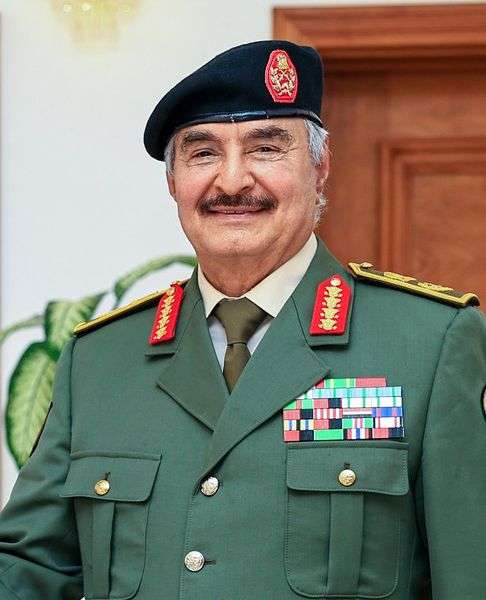
Eastern Libya executes 10 convicted on terrorism charges
DEATH PENALTYAUGUST 21, 2026
Japan: man executed over killing 5 people
DEATH PENALTYAUGUST 15, 2026
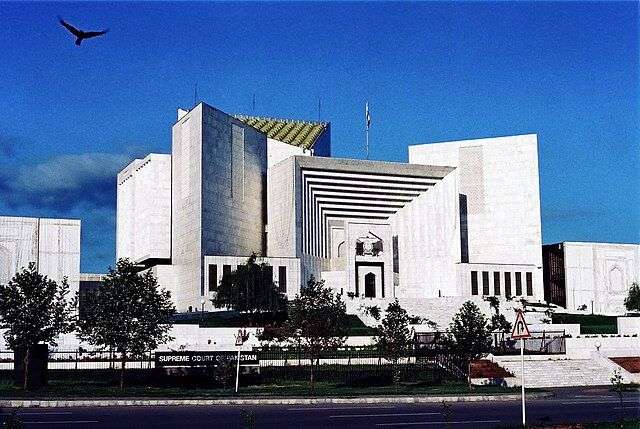
Pakistan: SC upholds death sentence in ex-wife’s murder
DEATH PENALTYAUGUST 14, 2026