
Aggravated murder premeditated murder and treason are capital crimes.
Aggravated murder premeditated murder and treason are capital crimes.
2 MIN READ
At present, capital punishment can be imposed for aggravated murder, premeditated murder and treason. From 1980 to 1987, Suriname was ruled by the military, after a coup d'etat on 25 February 1980 removed the elected Government from power, and Desiré Delano "Dési" Bouterse, an army officer, became Chairman of the National Military Council. Even though a new, democratically elected leadership took over after 1987, to all intents and purposes, the Government was still dominated by the military. In 1990, the military staged another coup, ousting the President who had been elected in 1987. Democracy was eventually been restored following general elections in 1991.
On 19 July 2010, Desi Bouterse was elected as President of Suriname. The last time someone was put to death in Suriname, was in 1982, when the military rulers executed political opponents.
On 13 March 1982, Wilfred Hawker, a sergeant they found guilty of treason, was executed by firing squad at dawn for staging two coups.
On 8 December 1982, under Bouterse's rule, 15 prominent opponents of his military regime were tortured and shot dead. These killings are known as the December Murders.
On 4 April 2012, the Surinamese parliament adopted the amnesty law, granting President Bouterse immunity from prosecution for his part in the murder of political opponents in December 1982.
Suriname, a member of the Caribbean community trade bloc, has signed on to use the new Caribbean Court of Justice (CCJ), though as a former Dutch colony it never sent cases to the Privy Council which is to be replaced by the CCJ as a final court of appeal in the region.
On December 20, 2012, Suriname abstained on the Resolution on a Moratorium on the Use of the Death Penalty at the UN General Assembly.
On 19 July 2010, Desi Bouterse was elected as President of Suriname. The last time someone was put to death in Suriname, was in 1982, when the military rulers executed political opponents.
On 13 March 1982, Wilfred Hawker, a sergeant they found guilty of treason, was executed by firing squad at dawn for staging two coups.
On 8 December 1982, under Bouterse's rule, 15 prominent opponents of his military regime were tortured and shot dead. These killings are known as the December Murders.
On 4 April 2012, the Surinamese parliament adopted the amnesty law, granting President Bouterse immunity from prosecution for his part in the murder of political opponents in December 1982.
Suriname, a member of the Caribbean community trade bloc, has signed on to use the new Caribbean Court of Justice (CCJ), though as a former Dutch colony it never sent cases to the Privy Council which is to be replaced by the CCJ as a final court of appeal in the region.
On December 20, 2012, Suriname abstained on the Resolution on a Moratorium on the Use of the Death Penalty at the UN General Assembly.
KEEP READING
ALL THE NEWS · DEATH PENALTY On the same front
DEATH PENALTYAUGUST 31, 2026
Pakistan: ASI sentenced to death for killing two brothers in Swabi

DEATH PENALTYAUGUST 30, 2026
Pakistan: Man sentenced to death, brother gets life term for double murder in 2021
DEATH PENALTYAUGUST 23, 2026
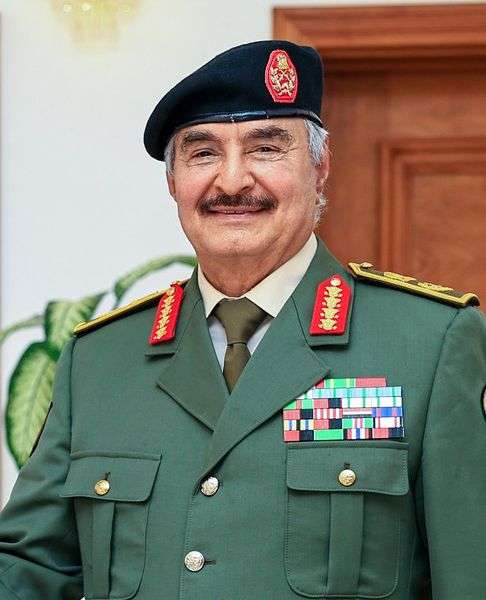
Eastern Libya executes 10 convicted on terrorism charges
DEATH PENALTYAUGUST 21, 2026
Japan: man executed over killing 5 people
DEATH PENALTYAUGUST 15, 2026
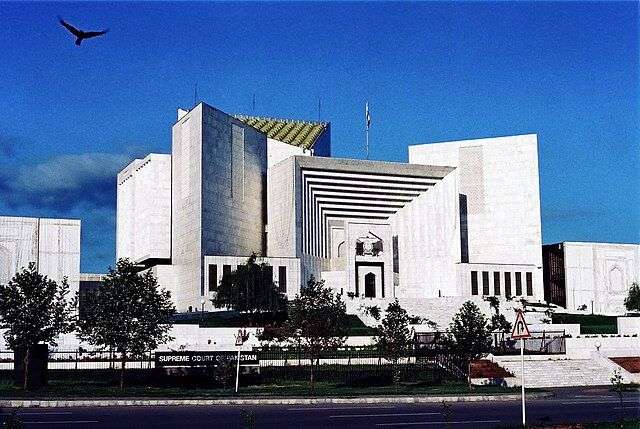
Pakistan: SC upholds death sentence in ex-wife’s murder
DEATH PENALTYAUGUST 14, 2026