
Barbados retains a mandatory death penalty or murder and treason.
Barbados retains a mandatory death penalty or murder and treason.
5 MIN READ
Barbados retains a mandatory death penalty or murder and treason. In 1990 Barbados abolished the death penalty for juveniles.
In recent years the use of the death penalty has become the focus of attention during appeals. British authorities and human rights groups are seeking to get executions halted, despite Barbados, in common with many Caribbean nations, viewing the death penalty as a deterrent to crime.
Barbados took the first step towards removing restrictions to the death penalty on August 13, 2002. The two houses of parliament passed the Constitutional (Amendment) Act 2002 approving amendments to: preserve the mandatory death sentence; remove delay and prison conditions as a reason for commutation and make these issues immune from future legal challenges and place time limits on appeals to international human rights bodies.
The new legislation was aimed to address the mitigating effects of the 1993 Pratt and Morgan ruling by the JCPC, which limits to five years the time a prisoner can be kept on death row. The new law was also designed to forestall a March 2002 decision outlawing mandatory death sentences in seven Eastern Caribbean countries from being applied to Barbados. Adoption of the amendment means that previous rulings of the JCPC binding on Barbados will not apply to future cases.
The Inter-American Commission on Human Rights (IACHR) on January 21, 2003 informed Barbados that the amendment to render the mandatory death sentence immune from constitutional challenge contravenes its treaty obligations under the American Convention. Barbados had not responded by mid-2004.
In 2004 the constitutionality of the mandatory nature of the death penalty in Barbados was upheld by the country’s highest court, which is the Judicial Committee of the Privy Council (JCPC) in London as Barbados is a British Independent Territory.
The legal challenge against the mandatory death penalty claimed it was unconstitutional. It was based on the grounds that the constitution of Barbados protects individuals from "inhuman or degrading punishment" or "cruel and unusual treatment or punishment".
The Privy Council - sitting in full court comprising all nine judges instead of the usual panels of five - on July 6, 2004, unanimously confirmed that the mandatory death penalty is inhuman and degrading and contrary to international human rights law.
However it was divided on the constitutionality of the death penalty in Barbados, and Trinidad and Tobago, that was also challenged on the same grounds. With five votes to four, the Privy Council found that the clear wording of the constitutions of these two countries, unlike that of the constitutions of other Caribbean countries, barred them from striking the mandatory death penalty down as unconstitutional. The majority found that the constitutions protected individuals from "inhuman or degrading punishment" or "cruel and unusual treatment or punishment", but they had provisions protecting laws already existing at the time the constitutions were written - such as those instituting the automatic death penalty for murderers - from being invalidated by the constitutions. The mandatory death penalty in Barbados and Trinidad and Tobago was thus upheld.
In accordance with two decisions from the Inter-American Court of Human Rights (Boyce v Barbados (2007) and Cadogan v Barbados (2009) where the Court ruled that the mandatory death sentence imposed on all those convicted of murder in Barbados was a violation of the right to life, the Government of Barbados agreed to amend its national legislation to remove the mandatory imposition of the death penalty. However, as of 31st December 2012, the proposed legislation was still pending before Parliament.
Barbados was one of the eleven states that signed an agreement in 2001 to establish the Caribbean Court of Justice (CCJ) to replace the Privy Council as the region’s final court of appeal. The region’s leaders viewed the setting up of the Court as a way of shedding the last vestiges of colonialism.
"We will spare no resource to ensure that the Caribbean Court of Justice is celebrated as an icon of Caribbean achievement and an inspiration of what we can do together and achieve," said the Barbados prime minister, Owen Arthur.
In September 2002, Barbados passed a constitutional amendment enabling it to switch to the CCJ, inaugurated in Trinidad on April 16, 2005. Now the Caribbean Court of Justice is the final Court of Appeal for Barbados.
As of 5 March 2015, only four countries – Barbados, Belize, Dominica and Guyana – had passed under its jurisdiction.
However the last execution carried out in Barbados was in 1984, when three men were hung on the same day.
In 2012 two new death sentences were imposed and at the end of the year 5 people were on death row according to the death penalty project.
United Nations
On 25 January 2013, Barbados was reviewed under the Universal Periodic Review of the UN Human Rights Council. Regarding the death penalty, the Government noted that there does not appear to be a national consensus or bipartisan support for the abolition at this time. However, it stated that it is its view that the country’s record of not having used the death penalty for almost 30 years makes a very strong statement. On the issue of the mandatory death penalty, Barbados’ delegation stated that legislation was drafted to provide for its abolition and preparations were being finalized for submission of this draft legislation to Cabinet prior to introduction to Parliament.
On December 18, 2014, the Barbados voted against the Resolution on a Moratorium on the Use of the Death Penalty at the UN General Assembly.
In recent years the use of the death penalty has become the focus of attention during appeals. British authorities and human rights groups are seeking to get executions halted, despite Barbados, in common with many Caribbean nations, viewing the death penalty as a deterrent to crime.
Barbados took the first step towards removing restrictions to the death penalty on August 13, 2002. The two houses of parliament passed the Constitutional (Amendment) Act 2002 approving amendments to: preserve the mandatory death sentence; remove delay and prison conditions as a reason for commutation and make these issues immune from future legal challenges and place time limits on appeals to international human rights bodies.
The new legislation was aimed to address the mitigating effects of the 1993 Pratt and Morgan ruling by the JCPC, which limits to five years the time a prisoner can be kept on death row. The new law was also designed to forestall a March 2002 decision outlawing mandatory death sentences in seven Eastern Caribbean countries from being applied to Barbados. Adoption of the amendment means that previous rulings of the JCPC binding on Barbados will not apply to future cases.
The Inter-American Commission on Human Rights (IACHR) on January 21, 2003 informed Barbados that the amendment to render the mandatory death sentence immune from constitutional challenge contravenes its treaty obligations under the American Convention. Barbados had not responded by mid-2004.
In 2004 the constitutionality of the mandatory nature of the death penalty in Barbados was upheld by the country’s highest court, which is the Judicial Committee of the Privy Council (JCPC) in London as Barbados is a British Independent Territory.
The legal challenge against the mandatory death penalty claimed it was unconstitutional. It was based on the grounds that the constitution of Barbados protects individuals from "inhuman or degrading punishment" or "cruel and unusual treatment or punishment".
The Privy Council - sitting in full court comprising all nine judges instead of the usual panels of five - on July 6, 2004, unanimously confirmed that the mandatory death penalty is inhuman and degrading and contrary to international human rights law.
However it was divided on the constitutionality of the death penalty in Barbados, and Trinidad and Tobago, that was also challenged on the same grounds. With five votes to four, the Privy Council found that the clear wording of the constitutions of these two countries, unlike that of the constitutions of other Caribbean countries, barred them from striking the mandatory death penalty down as unconstitutional. The majority found that the constitutions protected individuals from "inhuman or degrading punishment" or "cruel and unusual treatment or punishment", but they had provisions protecting laws already existing at the time the constitutions were written - such as those instituting the automatic death penalty for murderers - from being invalidated by the constitutions. The mandatory death penalty in Barbados and Trinidad and Tobago was thus upheld.
In accordance with two decisions from the Inter-American Court of Human Rights (Boyce v Barbados (2007) and Cadogan v Barbados (2009) where the Court ruled that the mandatory death sentence imposed on all those convicted of murder in Barbados was a violation of the right to life, the Government of Barbados agreed to amend its national legislation to remove the mandatory imposition of the death penalty. However, as of 31st December 2012, the proposed legislation was still pending before Parliament.
Barbados was one of the eleven states that signed an agreement in 2001 to establish the Caribbean Court of Justice (CCJ) to replace the Privy Council as the region’s final court of appeal. The region’s leaders viewed the setting up of the Court as a way of shedding the last vestiges of colonialism.
"We will spare no resource to ensure that the Caribbean Court of Justice is celebrated as an icon of Caribbean achievement and an inspiration of what we can do together and achieve," said the Barbados prime minister, Owen Arthur.
In September 2002, Barbados passed a constitutional amendment enabling it to switch to the CCJ, inaugurated in Trinidad on April 16, 2005. Now the Caribbean Court of Justice is the final Court of Appeal for Barbados.
As of 5 March 2015, only four countries – Barbados, Belize, Dominica and Guyana – had passed under its jurisdiction.
However the last execution carried out in Barbados was in 1984, when three men were hung on the same day.
In 2012 two new death sentences were imposed and at the end of the year 5 people were on death row according to the death penalty project.
United Nations
On 25 January 2013, Barbados was reviewed under the Universal Periodic Review of the UN Human Rights Council. Regarding the death penalty, the Government noted that there does not appear to be a national consensus or bipartisan support for the abolition at this time. However, it stated that it is its view that the country’s record of not having used the death penalty for almost 30 years makes a very strong statement. On the issue of the mandatory death penalty, Barbados’ delegation stated that legislation was drafted to provide for its abolition and preparations were being finalized for submission of this draft legislation to Cabinet prior to introduction to Parliament.
On December 18, 2014, the Barbados voted against the Resolution on a Moratorium on the Use of the Death Penalty at the UN General Assembly.
KEEP READING
ALL THE NEWS · DEATH PENALTY On the same front
DEATH PENALTYAUGUST 31, 2026
Pakistan: ASI sentenced to death for killing two brothers in Swabi
DEATH PENALTYAUGUST 30, 2026
Pakistan: Man sentenced to death, brother gets life term for double murder in 2021

DEATH PENALTYAUGUST 23, 2026
Eastern Libya executes 10 convicted on terrorism charges
DEATH PENALTYAUGUST 21, 2026
Japan: man executed over killing 5 people
DEATH PENALTYAUGUST 15, 2026
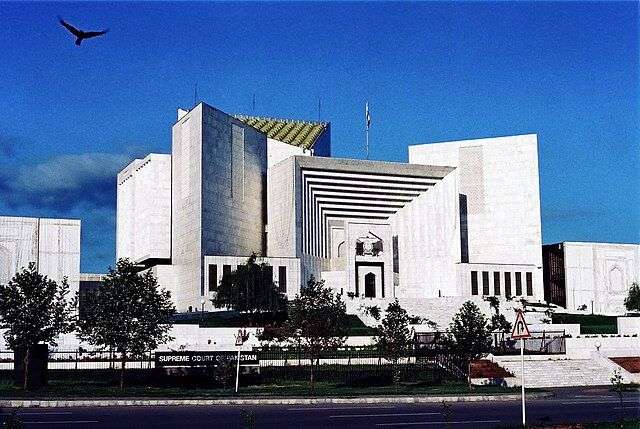
Pakistan: SC upholds death sentence in ex-wife’s murder
DEATH PENALTYAUGUST 14, 2026