
Capital crimes are: murder, causing an innocent person...
Capital crimes are: murder, causing an innocent person...
2 MIN READ
Capital crimes are: murder, causing an innocent person to be executed by bearing false witness, offences against the State, economic offences, drug offences and arms trading. The island’s history of executions goes back to when Sri Lanka was the British colony known as Ceylon. The first hanging was held on February 11, 1884, at Welikada Prison, and the last was on June 23, 1976 - nearly 20 years after Sri Lanka achieved independence - when 27-year-old Jayasinghe Chandradasa, a farmer convicted of murder, was hanged to death. Over that time, a total of 1,868 men and women were executed. Since then the death sentence has been pronounced by judges around the island but automatically commuted to life imprisonment by the President of Sri Lanka. The current leadership of the country has taken opposing stances on the issue. President Chandrika Kumaratunga holds that the Constitution guarantees the right to life and therefore the state has no right to execute people. The president has the power to veto legislation. The government led by Prime Minister, and Kumaratunga’s political rival Ranil Wickremesinghe has flouted the idea of re-instating executions in a bid to deter rising crime, but has made no serious attempt to introduce legislation to that effect. On July 25, 2005 the Attorney General's Department of Sri Lanka recommended that President Chandrika Kumaratunga implement capital punishment against those already sentenced to death.
Under the instructions by Attorney General K.C. Kamalasabeysan, the department said the President should carry out the sentences against those who had been found guilty of the murder of Indian national Ms. Rita John and the Hokandara mass murder, in which six members of one family were killed. On December 6, 2004, it was reported that there were 49 condemned prisoners whose clemency appeals had been rejected. There were 152 others who had been sentenced to death, but whose appeals were pending.
On December 18, 2007 Sri Lanka voted in favour of the Resolution on a Moratorium on the Use of the Death Penalty at the UN General Assembly.
Under the instructions by Attorney General K.C. Kamalasabeysan, the department said the President should carry out the sentences against those who had been found guilty of the murder of Indian national Ms. Rita John and the Hokandara mass murder, in which six members of one family were killed. On December 6, 2004, it was reported that there were 49 condemned prisoners whose clemency appeals had been rejected. There were 152 others who had been sentenced to death, but whose appeals were pending.
On December 18, 2007 Sri Lanka voted in favour of the Resolution on a Moratorium on the Use of the Death Penalty at the UN General Assembly.
KEEP READING
ALL THE NEWS · DEATH PENALTY On the same front

DEATH PENALTYAUGUST 31, 2026
Pakistan: ASI sentenced to death for killing two brothers in Swabi
DEATH PENALTYAUGUST 30, 2026
Pakistan: Man sentenced to death, brother gets life term for double murder in 2021
DEATH PENALTYAUGUST 23, 2026
Eastern Libya executes 10 convicted on terrorism charges

DEATH PENALTYAUGUST 21, 2026
Japan: man executed over killing 5 people
DEATH PENALTYAUGUST 15, 2026
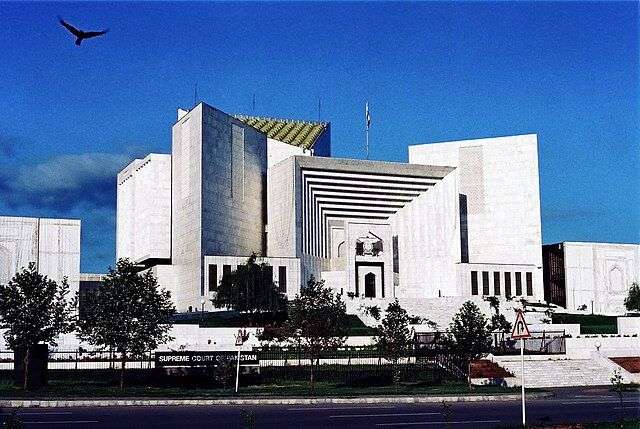
Pakistan: SC upholds death sentence in ex-wife’s murder
DEATH PENALTYAUGUST 14, 2026