
Capital crimes are: murder, causing an innocent person
Capital crimes are: murder, causing an innocent person
4 MIN READ
Capital crimes are: murder, causing an innocent person to be executed by bearing false witness, offences against the State, economic offences, drug offences and arms trading.
The island’s history of executions goes back to when Sri Lanka was the British colony known as Ceylon. The first hanging was held on 11 February 1884, at Welikada Prison. During that time, a total of 1,868 men and women were executed.
The last execution was carried out on, 23 June 1976 – nearly 20 years after Sri Lanka achieved independence – when Jayasinghe Chandradasa, a 27-year-old farmer convicted of murder, was hanged to death.
In 2015, according to Amnesty International, at least 51 people were sentenced to death, mostly for murder and at least 3 for drug-related offences.
In September 2015, there were 1,115 death row prisoners, 600 of whom were still appealing against their sentence, according to the Commissioner General of Prisons, Rohana Pushpakumara.
According to the Prisons Act, condemned prisoners are not allowed to mingle with the convicted prisoners, and have to be kept in isolation. They have a tiny cell and a small corridor leading to their cells away from their fellow prisoners, and they do not even see or hear each other. The only privilege they have is to walk along the corridors of their cells.
After searching for an executioner for three years, in October 2015, Sri Lanka’s Prison Department Sri Lanka said it had hired two new executioners to replace the previous hangman. It had appointed the latest hangman in March 2014. However, the hangman selected for the job got distressed on seeing the gallows for the first time and resigned from the post. Two other hangmen hired in 2013 failed to show up for work.
Many attempts have been made by various governments to resume executions, but with no result due to large-scale protests that occurred in the country.
On 14 September 2015, Foreign Minister Mangala Samaraweera in his address to the UN Human Rights Council in Geneva stated that Sri Lanka would not implement the capital punishment. However, on 18 September, President Maithripala Sirisena, told a meeting in Galle that he would implement capital punishment if parliament approved. Though the penalty can be imposed via his executive powers, “I thought that the better option was debate in the parliament,” he said. “As a leader who respects moral principles, I will pay strict attention to the demand of the people to enforce the death penalty.”
On 6 October 2015, Minister of Justice Wijeyadasa Rajapaksha told the parliament that Sri Lanka will not implement the death penalty temporarily as the country has decided to vote in favor of the UN resolution for a moratorium on the use of the death penalty when the vote is taken at the UN General Assembly. Emphasizing that more than 100 countries have abolished the death penalty, the Minister told the parliament that especially in democratic countries punishments are aimed at correction and rehabilitation. The world opinion with regard to the capital punishment is in favor of not implementing it, he added.
Commutation of the death penalty or suspension of executions
President Maithripala Sirisena has commuted 187 death sentences to life imprisonment since he assumed office in January 2015. President Sirisena gave such concession to 34 death row inmates in December 2015. The death sentences were commuted on recommendations made by an expert committee established by the previous government in October 2013 and headed by retired Supreme Court judge Nimal E. Dissanayake. The committee included Secretary to the Justice Ministry, additional Solicitor General and Prisons Commissioner. The committee had inquired into cases of nearly 400 convicts out of nearly 1,200 on death row and recommended the commutation of their death sentence. Some prisoners on death row have served between 20 to 30 years inside their cells.
United Nations
In November 2012, in its response to the recommendations received under the Universal Periodic Review of the UN Human Rights Council, Sri Lanka rejected those to take immediate steps towards the abolition of the death penalty in law.
In December 2014, Sri Lanka abstained on the Resolution on a Moratorium on the Use of the Death Penalty at the UN General Assembly. In 2010 and 2008, Sri Lanka had voted in favour of the Resolution.
The island’s history of executions goes back to when Sri Lanka was the British colony known as Ceylon. The first hanging was held on 11 February 1884, at Welikada Prison. During that time, a total of 1,868 men and women were executed.
The last execution was carried out on, 23 June 1976 – nearly 20 years after Sri Lanka achieved independence – when Jayasinghe Chandradasa, a 27-year-old farmer convicted of murder, was hanged to death.
In 2015, according to Amnesty International, at least 51 people were sentenced to death, mostly for murder and at least 3 for drug-related offences.
In September 2015, there were 1,115 death row prisoners, 600 of whom were still appealing against their sentence, according to the Commissioner General of Prisons, Rohana Pushpakumara.
According to the Prisons Act, condemned prisoners are not allowed to mingle with the convicted prisoners, and have to be kept in isolation. They have a tiny cell and a small corridor leading to their cells away from their fellow prisoners, and they do not even see or hear each other. The only privilege they have is to walk along the corridors of their cells.
After searching for an executioner for three years, in October 2015, Sri Lanka’s Prison Department Sri Lanka said it had hired two new executioners to replace the previous hangman. It had appointed the latest hangman in March 2014. However, the hangman selected for the job got distressed on seeing the gallows for the first time and resigned from the post. Two other hangmen hired in 2013 failed to show up for work.
Many attempts have been made by various governments to resume executions, but with no result due to large-scale protests that occurred in the country.
On 14 September 2015, Foreign Minister Mangala Samaraweera in his address to the UN Human Rights Council in Geneva stated that Sri Lanka would not implement the capital punishment. However, on 18 September, President Maithripala Sirisena, told a meeting in Galle that he would implement capital punishment if parliament approved. Though the penalty can be imposed via his executive powers, “I thought that the better option was debate in the parliament,” he said. “As a leader who respects moral principles, I will pay strict attention to the demand of the people to enforce the death penalty.”
On 6 October 2015, Minister of Justice Wijeyadasa Rajapaksha told the parliament that Sri Lanka will not implement the death penalty temporarily as the country has decided to vote in favor of the UN resolution for a moratorium on the use of the death penalty when the vote is taken at the UN General Assembly. Emphasizing that more than 100 countries have abolished the death penalty, the Minister told the parliament that especially in democratic countries punishments are aimed at correction and rehabilitation. The world opinion with regard to the capital punishment is in favor of not implementing it, he added.
Commutation of the death penalty or suspension of executions
President Maithripala Sirisena has commuted 187 death sentences to life imprisonment since he assumed office in January 2015. President Sirisena gave such concession to 34 death row inmates in December 2015. The death sentences were commuted on recommendations made by an expert committee established by the previous government in October 2013 and headed by retired Supreme Court judge Nimal E. Dissanayake. The committee included Secretary to the Justice Ministry, additional Solicitor General and Prisons Commissioner. The committee had inquired into cases of nearly 400 convicts out of nearly 1,200 on death row and recommended the commutation of their death sentence. Some prisoners on death row have served between 20 to 30 years inside their cells.
United Nations
In November 2012, in its response to the recommendations received under the Universal Periodic Review of the UN Human Rights Council, Sri Lanka rejected those to take immediate steps towards the abolition of the death penalty in law.
In December 2014, Sri Lanka abstained on the Resolution on a Moratorium on the Use of the Death Penalty at the UN General Assembly. In 2010 and 2008, Sri Lanka had voted in favour of the Resolution.
KEEP READING
ALL THE NEWS · DEATH PENALTY On the same front
DEATH PENALTYAUGUST 31, 2026
Pakistan: ASI sentenced to death for killing two brothers in Swabi
DEATH PENALTYAUGUST 30, 2026
Pakistan: Man sentenced to death, brother gets life term for double murder in 2021
DEATH PENALTYAUGUST 23, 2026
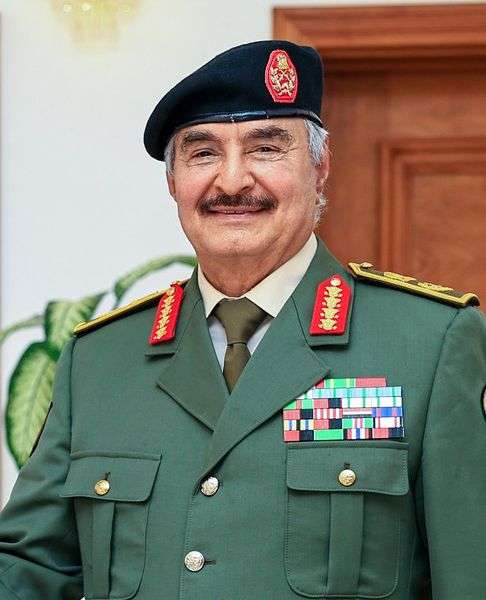
Eastern Libya executes 10 convicted on terrorism charges
DEATH PENALTYAUGUST 21, 2026
Japan: man executed over killing 5 people
DEATH PENALTYAUGUST 15, 2026
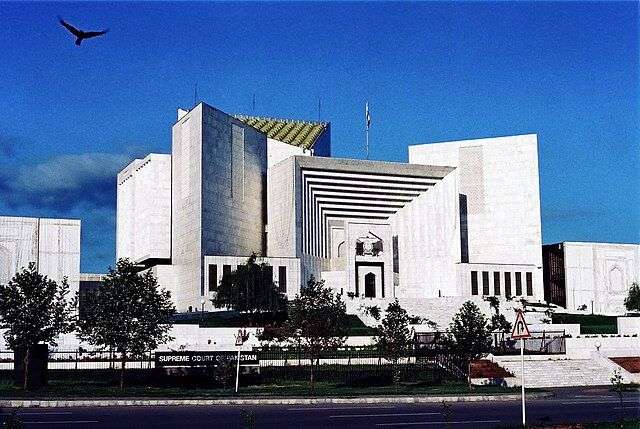
Pakistan: SC upholds death sentence in ex-wife’s murder
DEATH PENALTYAUGUST 14, 2026