
In Chad, capital crimes include aggravated murder and other offenses
In Chad, capital crimes include aggravated murder and other offenses
3 MIN READ
In Chad, capital crimes include aggravated murder and other offenses resulting in death, terrorism-related offenses, treason, spying, military offences, and other offenses not resulting in death.
The 1996 Constitution makes no reference to the death penalty. However, Article 17, as amended in July 2005, states that, “the human person is sacred and inviolable. Every person has the right to life, physical integrity, safety, freedom, and the protection of his/her private life and property”, implying that the death penalty could be challenged as unconstitutional. Under Article 222 of the Constitution, lawfully ratified and published treaties, provided they are respected by the other party, have an authority superior to national legislation.
There have been no reported executions since 2003. However, Chadian courts have continued to hand down death sentences.
In 2012, two men were sentenced to death for murder, according to Amnesty International.
Reports indicate that there are at least 35 or 36 persons currently under sentence of death in Chad.
After the termination of the Military Court in 1991, a de facto moratorium was in effect in Chad until 2003.
In June 2003, “National Consultations on Justice” were held in N’Djamena. One of the committees, after extensive discussions, recommended that the Government abolish the death penalty. A few months later, in November 2003, 9 men were executed within a period of 4 days, although they had not exhausted their appeals. Four of the nine men had been found guilty two weeks earlier of assassinating a Sudanese politician and businessman. The other five executed men had been sentenced for unrelated murders and assassinations.
In its June 2008 report to the U.N. Human Rights Committee, the Chadian Government declared that, following the “sharp criticism and censure” generated by the 2003 executions, “all death penalties have been commuted to life sentences.” The Chadian Government further stated that it was “preparing the population to accept the abolition of the death penalty.”
In its 2009 Universal Periodic Review by the UN Human Rights Council, Chad accepted the recommendation that it ratifies the Second Optional Protocol to the International Covenant on Civil and Political Rights (ICCPR), but it did not adopt the recommendation that it reinstate a moratorium on death penalty.
On 20 December 2012, Chad voted in favour of the Resolution on a Moratorium on the Use of the Death Penalty at the UN General Assembly. In 2008 and 2010, Chad was absent during the vote on the Resolution. Furthermore, Chad signed the 2008 and 2010 Note verbale de dissociation, which registered its formal opposition to the UNGA’s resolutions.
In November 2012, Chad was targeted by a mission of Hands Off Cain and the Nonviolent Radical Party, Transnational and Transparty (NRPTT), aimed at favouring the abolitionist process internally and obtaining a favourable vote on the UN Resolution for the universal moratorium on executions.
The 1996 Constitution makes no reference to the death penalty. However, Article 17, as amended in July 2005, states that, “the human person is sacred and inviolable. Every person has the right to life, physical integrity, safety, freedom, and the protection of his/her private life and property”, implying that the death penalty could be challenged as unconstitutional. Under Article 222 of the Constitution, lawfully ratified and published treaties, provided they are respected by the other party, have an authority superior to national legislation.
There have been no reported executions since 2003. However, Chadian courts have continued to hand down death sentences.
In 2012, two men were sentenced to death for murder, according to Amnesty International.
Reports indicate that there are at least 35 or 36 persons currently under sentence of death in Chad.
After the termination of the Military Court in 1991, a de facto moratorium was in effect in Chad until 2003.
In June 2003, “National Consultations on Justice” were held in N’Djamena. One of the committees, after extensive discussions, recommended that the Government abolish the death penalty. A few months later, in November 2003, 9 men were executed within a period of 4 days, although they had not exhausted their appeals. Four of the nine men had been found guilty two weeks earlier of assassinating a Sudanese politician and businessman. The other five executed men had been sentenced for unrelated murders and assassinations.
In its June 2008 report to the U.N. Human Rights Committee, the Chadian Government declared that, following the “sharp criticism and censure” generated by the 2003 executions, “all death penalties have been commuted to life sentences.” The Chadian Government further stated that it was “preparing the population to accept the abolition of the death penalty.”
In its 2009 Universal Periodic Review by the UN Human Rights Council, Chad accepted the recommendation that it ratifies the Second Optional Protocol to the International Covenant on Civil and Political Rights (ICCPR), but it did not adopt the recommendation that it reinstate a moratorium on death penalty.
On 20 December 2012, Chad voted in favour of the Resolution on a Moratorium on the Use of the Death Penalty at the UN General Assembly. In 2008 and 2010, Chad was absent during the vote on the Resolution. Furthermore, Chad signed the 2008 and 2010 Note verbale de dissociation, which registered its formal opposition to the UNGA’s resolutions.
In November 2012, Chad was targeted by a mission of Hands Off Cain and the Nonviolent Radical Party, Transnational and Transparty (NRPTT), aimed at favouring the abolitionist process internally and obtaining a favourable vote on the UN Resolution for the universal moratorium on executions.
KEEP READING
ALL THE NEWS · DEATH PENALTY On the same front

DEATH PENALTYAUGUST 31, 2026
Pakistan: ASI sentenced to death for killing two brothers in Swabi

DEATH PENALTYAUGUST 30, 2026
Pakistan: Man sentenced to death, brother gets life term for double murder in 2021
DEATH PENALTYAUGUST 23, 2026
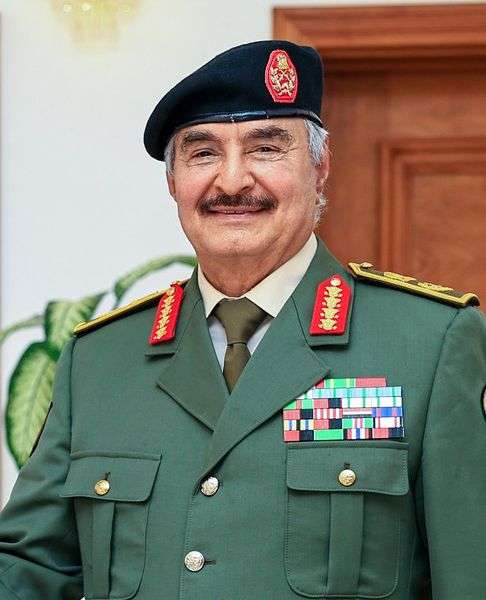
Eastern Libya executes 10 convicted on terrorism charges

DEATH PENALTYAUGUST 21, 2026
Japan: man executed over killing 5 people
DEATH PENALTYAUGUST 15, 2026
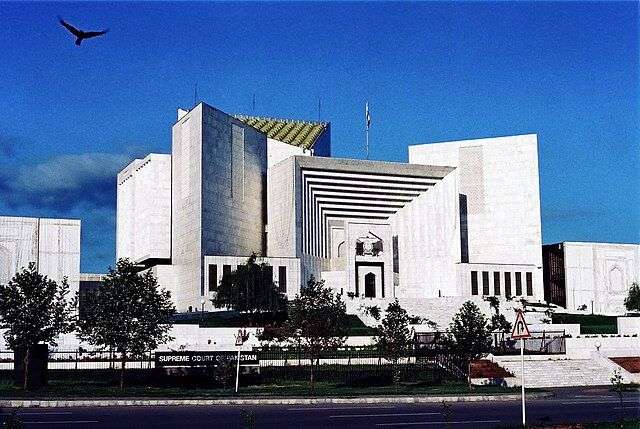
Pakistan: SC upholds death sentence in ex-wife’s murder
DEATH PENALTYAUGUST 14, 2026