
In June 2013, after ten consecutive years without carrying out executions...
In June 2013, after ten consecutive years without carrying out executions...
7 MIN READ
In June 2013, after ten consecutive years without carrying out executions, Zimbabwe became a de facto abolitionist country.
After independence from Britain in 1980, there were nine offences which attracted the death penalty, but over the years they have been reduced to three. Currently, murder, treason and mutiny are punished by death under the Zimbabwean law.
Since 1980, according to official figures, 78 people were executed in Zimbabwe.
All persons sentenced to death have the automatic right of appeal to the Supreme Court, as well as that of application to the President for pardon or commutation of the death sentence to a lesser sentence.
Execution orders must be signed by the coalition’s co-Ministers of Justice and approved by President Robert Mugabe and Prime Minister Morgan Tsvangirai. Tsvangirai’s former opposition Movement for Democratic Change party has voiced its disapproval of hanging.
In 2013 at least 16 new death sentences were imposed and, as of 31 January 2014, there were 97 inmates, two of them female, languishing in prison awaiting execution, according to the Ministry of Justice. On 15 July 2014, Rosemary Margaret Khumalo died of natural causes at Chikurubi Maximum Security Prison. Khumalo, 59, was on death row for 15 years, after being convicted of the 1998 gruesome murder of her businessman suitor Maxwell Sibanda. She was buried at Chikurubi Prison graveyard like all the other condemned prisoners. Her death left only one woman on death row, Shylet Sibanda, who was sentenced to death after committing murder in 2010. The Zimbabwe Women Lawyers Association (ZWLA) represented both Khumalo and Sibanda in 2013 in a bid to remove them from death row in line with the new Constitution which states that women cannot be executed. They pleaded with the Constitutional Court to obtain that the Minister of Justice, the Prosecutor General and the Attorney General would ensure the review by a competent court of the sentence of death imposed on them and its substitution with a new sentence. ZWLA urged the Government to ensure that all laws imposing a death sentence on women were amended and aligned with the provisions of the new Constitution.
The last executions were carried out on 13 June 2003, when Stephen Chidhumo, Elias Chauke, William Mukurugunye and John Nyamazana were hanged at the same prison complex where Morgan Tsvangirai, the Zimbabwean opposition leader, was awaiting trial on treason charges. The four prisoners had all been convicted of murder “without extenuating circumstances,” and their execution took place without any warning to their families.
The March 2002 presidential elections took place amidst widespread allegations of vote-rigging and intimidation of the opposition, which led the Commonwealth to suspend Zimbabwe’s membership.
Treason charges were brought against the opposition Movement for Democratic Change leader Morgan Tsvangirai in 2003. The year-long high profile trial was finally concluded on October 15, 2004, when Zimbabwe’s High Court acquitted Tsvangirai, saying the State had failed to prove its case beyond reasonable doubt. In September 2008, a power-sharing agreement was reached between Mugabe and Tsvangirai, in which Mugabe remained President and Tsvangirai became Prime Minister. In the 31 July 2013 elections, Robert Mugabe won his seventh term as president defeating opposition leader Morgan Tsvangirai with 61 percent of the vote. Mugabe’s Zanu-PF party also dominated the parliamentary election winning 160 seats. Tsvangirai’s Movement for Democratic Change party won 49 seats.
On 19 July 2012, the Select Committee of Parliament on the New Constitution (COPAC), that was established in April 2009 to spearhead the Constitution-making process in the country, announced that the new draft Constitution was complete and signed by all the party negotiators to the 2007 Global Political Agreement (i.e. the Zimbabwe African National Union-Patriotic Front and the two Movement for Democratic Change formations) and members of COPAC’s management committee. Zimbabwe’s new draft Constitution has abolished the death sentence for women and those under the age of 21 and above 70 years. “Every person has the right to life,” is written in Article 4.5 of the new Charter. However, “A law may permit the death penalty to be imposed only on a person convicted of murder committed in aggravating circumstances,” Article 4.5 adds. “The law must permit the court a discretion whether or not to impose the penalty,” the draft says.
A draft Constitution of Zimbabwe was adopted by the House of Assembly and the Senate on 6 and 7 February 2013 respectively. The new constitution was approved by 94.5% of voters, in a constitutional referendum, which was held on 16 and 17 March 2013.
Between 20 and 22 August 2012, a delegation of Hands Off Cain and the Nonviolent Radical Party, Transnational and Transparty visited Zimbabwe on an advocacy mission to urge Zimbabwe to change its position on capital punishment before the United Nations Resolution calling for a moratorium on the use of the death penalty set for December 2012. Zimbabwe has, in the past, voted against this resolution. In addition, as Zimbabwe was moving towards a new Constitution, the delegation took the opportunity to provide input into the process; asking to consider the removal of capital punishment from the document. The delegation met with Prime Minister Morgan Tsvangirai and some members of the Cabinet, Speaker of the House of Assembly Lovemore Moyo and President of the Senate Edna Madzongwe, politicians and parliamentary committees from the three political parties in Zimbabwe’s joint Government. Prime Minister Morgan Tsvangirai, leader of the Movement for Democratic Change, has confirmed his disapproval of hangings, which he considers a “legacy of the colonial era.” Industry Minister Welshman Ncube, who is also the President of the MDC-N, the third largest political force in the country, said his party is committed to remove the death penalty from Zimbabwe. The President of the Senate, Edna Madzongwe from Robert Mugabe’sZanu PF, has also declared she opposed to the death penalty.
On 13 February 2013, the Human Rights Commission of the Senate passed a motion calling for Government action to move towards abolition of the death penalty. Zaka Senator Misheck Marava (MDC-T) had moved the motion saying the country should move along with international standards as many United Nations Member States had abolished the practice. All contributors to the debate were opposed to the death penalty and many stressed that capital punishment was introduced by the colonists and had no place in the country’s traditional culture. Senator Chief Charumbira and Senator Mohadi, while not speaking in favour of the death penalty, reminded Senators that they had only a few days before enthusiastically accepted the draft Constitution, which expressly permits it. At the end of the debate the motion was passed by 16 votes to 15.
In mid-2012, after seven years of searching and repeated advertisements in the local press, the authorities announced that they had finally hired a new hangman, believed to be Malawian. The previous executioner retired in 2005 after carrying out his last execution in 2003, saying he was struggling with his conscience in the face of superstitious local custom and beliefs in avenging ancestral spirits.
On 13 February 2013, the Justice Minister said the appointment of a new hangman in Zimbabwe did not mean the 74 men and two women on death row would be executed and the Government would push for the sentences to be commuted to life in prison. “As for the 76 inmates languishing in prison, there was no way I, as the Minister of Justice, was going to recommend their execution. We could have done that long back, but I was going to seek for clemency,” Justice Minister Patrick Chinamasa told the state-run Herald newspaper.
In October 2011, Zimbabwe was reviewed under the Universal Periodic Review (UPR) of the UN Human Rights Council. The country’s delegation rejected recommendations to install an official moratorium or commute death sentences. However, recommendations to “consider ratifying” the Second Optional Protocol to the ICCPR and to “take measures” to abolish the death penalty were accepted.
On 20 December 2012, Zimbabwe voted against the Resolution on a Moratorium on the Use of the Death Penalty at the UN General Assembly.
After independence from Britain in 1980, there were nine offences which attracted the death penalty, but over the years they have been reduced to three. Currently, murder, treason and mutiny are punished by death under the Zimbabwean law.
Since 1980, according to official figures, 78 people were executed in Zimbabwe.
All persons sentenced to death have the automatic right of appeal to the Supreme Court, as well as that of application to the President for pardon or commutation of the death sentence to a lesser sentence.
Execution orders must be signed by the coalition’s co-Ministers of Justice and approved by President Robert Mugabe and Prime Minister Morgan Tsvangirai. Tsvangirai’s former opposition Movement for Democratic Change party has voiced its disapproval of hanging.
In 2013 at least 16 new death sentences were imposed and, as of 31 January 2014, there were 97 inmates, two of them female, languishing in prison awaiting execution, according to the Ministry of Justice. On 15 July 2014, Rosemary Margaret Khumalo died of natural causes at Chikurubi Maximum Security Prison. Khumalo, 59, was on death row for 15 years, after being convicted of the 1998 gruesome murder of her businessman suitor Maxwell Sibanda. She was buried at Chikurubi Prison graveyard like all the other condemned prisoners. Her death left only one woman on death row, Shylet Sibanda, who was sentenced to death after committing murder in 2010. The Zimbabwe Women Lawyers Association (ZWLA) represented both Khumalo and Sibanda in 2013 in a bid to remove them from death row in line with the new Constitution which states that women cannot be executed. They pleaded with the Constitutional Court to obtain that the Minister of Justice, the Prosecutor General and the Attorney General would ensure the review by a competent court of the sentence of death imposed on them and its substitution with a new sentence. ZWLA urged the Government to ensure that all laws imposing a death sentence on women were amended and aligned with the provisions of the new Constitution.
The last executions were carried out on 13 June 2003, when Stephen Chidhumo, Elias Chauke, William Mukurugunye and John Nyamazana were hanged at the same prison complex where Morgan Tsvangirai, the Zimbabwean opposition leader, was awaiting trial on treason charges. The four prisoners had all been convicted of murder “without extenuating circumstances,” and their execution took place without any warning to their families.
The March 2002 presidential elections took place amidst widespread allegations of vote-rigging and intimidation of the opposition, which led the Commonwealth to suspend Zimbabwe’s membership.
Treason charges were brought against the opposition Movement for Democratic Change leader Morgan Tsvangirai in 2003. The year-long high profile trial was finally concluded on October 15, 2004, when Zimbabwe’s High Court acquitted Tsvangirai, saying the State had failed to prove its case beyond reasonable doubt. In September 2008, a power-sharing agreement was reached between Mugabe and Tsvangirai, in which Mugabe remained President and Tsvangirai became Prime Minister. In the 31 July 2013 elections, Robert Mugabe won his seventh term as president defeating opposition leader Morgan Tsvangirai with 61 percent of the vote. Mugabe’s Zanu-PF party also dominated the parliamentary election winning 160 seats. Tsvangirai’s Movement for Democratic Change party won 49 seats.
On 19 July 2012, the Select Committee of Parliament on the New Constitution (COPAC), that was established in April 2009 to spearhead the Constitution-making process in the country, announced that the new draft Constitution was complete and signed by all the party negotiators to the 2007 Global Political Agreement (i.e. the Zimbabwe African National Union-Patriotic Front and the two Movement for Democratic Change formations) and members of COPAC’s management committee. Zimbabwe’s new draft Constitution has abolished the death sentence for women and those under the age of 21 and above 70 years. “Every person has the right to life,” is written in Article 4.5 of the new Charter. However, “A law may permit the death penalty to be imposed only on a person convicted of murder committed in aggravating circumstances,” Article 4.5 adds. “The law must permit the court a discretion whether or not to impose the penalty,” the draft says.
A draft Constitution of Zimbabwe was adopted by the House of Assembly and the Senate on 6 and 7 February 2013 respectively. The new constitution was approved by 94.5% of voters, in a constitutional referendum, which was held on 16 and 17 March 2013.
Between 20 and 22 August 2012, a delegation of Hands Off Cain and the Nonviolent Radical Party, Transnational and Transparty visited Zimbabwe on an advocacy mission to urge Zimbabwe to change its position on capital punishment before the United Nations Resolution calling for a moratorium on the use of the death penalty set for December 2012. Zimbabwe has, in the past, voted against this resolution. In addition, as Zimbabwe was moving towards a new Constitution, the delegation took the opportunity to provide input into the process; asking to consider the removal of capital punishment from the document. The delegation met with Prime Minister Morgan Tsvangirai and some members of the Cabinet, Speaker of the House of Assembly Lovemore Moyo and President of the Senate Edna Madzongwe, politicians and parliamentary committees from the three political parties in Zimbabwe’s joint Government. Prime Minister Morgan Tsvangirai, leader of the Movement for Democratic Change, has confirmed his disapproval of hangings, which he considers a “legacy of the colonial era.” Industry Minister Welshman Ncube, who is also the President of the MDC-N, the third largest political force in the country, said his party is committed to remove the death penalty from Zimbabwe. The President of the Senate, Edna Madzongwe from Robert Mugabe’sZanu PF, has also declared she opposed to the death penalty.
On 13 February 2013, the Human Rights Commission of the Senate passed a motion calling for Government action to move towards abolition of the death penalty. Zaka Senator Misheck Marava (MDC-T) had moved the motion saying the country should move along with international standards as many United Nations Member States had abolished the practice. All contributors to the debate were opposed to the death penalty and many stressed that capital punishment was introduced by the colonists and had no place in the country’s traditional culture. Senator Chief Charumbira and Senator Mohadi, while not speaking in favour of the death penalty, reminded Senators that they had only a few days before enthusiastically accepted the draft Constitution, which expressly permits it. At the end of the debate the motion was passed by 16 votes to 15.
In mid-2012, after seven years of searching and repeated advertisements in the local press, the authorities announced that they had finally hired a new hangman, believed to be Malawian. The previous executioner retired in 2005 after carrying out his last execution in 2003, saying he was struggling with his conscience in the face of superstitious local custom and beliefs in avenging ancestral spirits.
On 13 February 2013, the Justice Minister said the appointment of a new hangman in Zimbabwe did not mean the 74 men and two women on death row would be executed and the Government would push for the sentences to be commuted to life in prison. “As for the 76 inmates languishing in prison, there was no way I, as the Minister of Justice, was going to recommend their execution. We could have done that long back, but I was going to seek for clemency,” Justice Minister Patrick Chinamasa told the state-run Herald newspaper.
In October 2011, Zimbabwe was reviewed under the Universal Periodic Review (UPR) of the UN Human Rights Council. The country’s delegation rejected recommendations to install an official moratorium or commute death sentences. However, recommendations to “consider ratifying” the Second Optional Protocol to the ICCPR and to “take measures” to abolish the death penalty were accepted.
On 20 December 2012, Zimbabwe voted against the Resolution on a Moratorium on the Use of the Death Penalty at the UN General Assembly.
KEEP READING
ALL THE NEWS · DEATH PENALTY On the same front
DEATH PENALTYAUGUST 31, 2026
Pakistan: ASI sentenced to death for killing two brothers in Swabi

DEATH PENALTYAUGUST 30, 2026
Pakistan: Man sentenced to death, brother gets life term for double murder in 2021
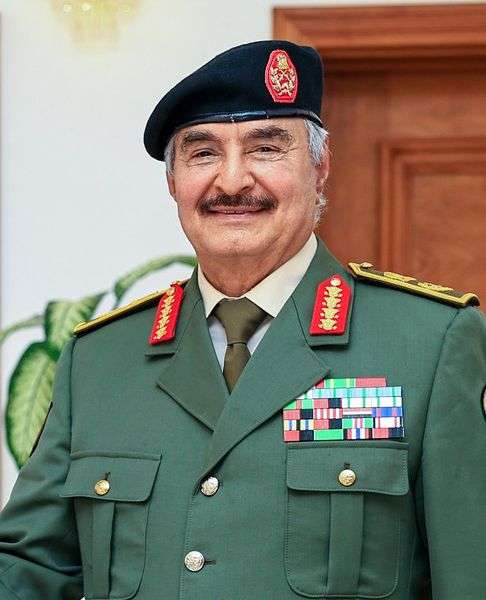
DEATH PENALTYAUGUST 23, 2026
Eastern Libya executes 10 convicted on terrorism charges
DEATH PENALTYAUGUST 21, 2026
Japan: man executed over killing 5 people
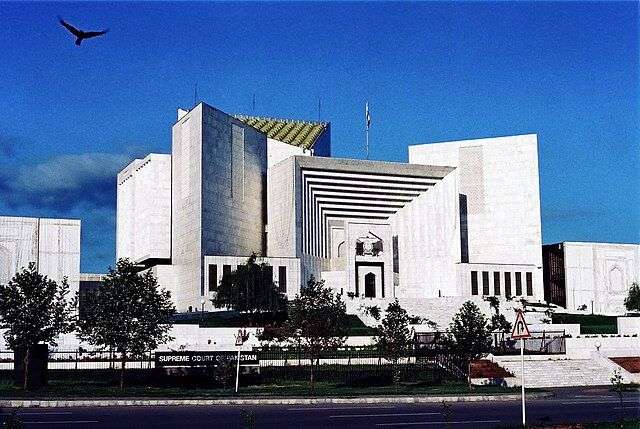
DEATH PENALTYAUGUST 15, 2026
Pakistan: SC upholds death sentence in ex-wife’s murder
DEATH PENALTYAUGUST 14, 2026