
In Myanmar (formerly Burma) capital crimes are: murder
In Myanmar (formerly Burma) capital crimes are: murder
5 MIN READ
In Myanmar (formerly Burma) capital crimes are: murder, treason, military crimes, perjury resulting in execution of an innocent defendant and other violent crimes. In 1993, Myanmar adopted a law that allows for the death penalty to be imposed for drug offences under certain circumstances.
Myanmar is part of the Convention on the Rights of the Child (CRC), which outlaws the execution of juvenile offenders. According to Burma’s 1993 Child Law, a child should not be punishable by death or an imprisonment exceeding 10 years of detention.
The law provides suspension of executions or commutation of the death sentence for pregnant women. The right to appeal is guaranteed by law
Myanmar has been under military rule since 1988. However, no executions have taken place since then. The 7 November 2010 general election brought the pro-military Union Solidarity and Development Party to power led by former general Thein Sein. The election was criticized by Western nations since it excluded opposition leader Aung San Suu Kyi and her National League for Democracy (NLD). The NLD boycotted the November polls after the military passed regulations that would have forced them to expel Suu Kyi from their party in order to contest the elections.
Thein Sein has pushed forward reforms since taking office in March 2011, following decades of repression under previous military regimes. His government is still dominated by a military proxy party, but changes have been made in areas such as media, the Internet and political participation.
On 16 May 2011, President Thein Sein announced an amnesty for prisoners, commuting the sentences of inmates on death row to life in jail. More than 14,750 prisoners, including 2,166 women, were released. Thein Sein granted clemency to 657 death-row prisoners, including 16 women, commuting their terms to life in prison. He reduced other prisoners’ sentences by one year. President Thein Sein’s decision came after a visit by United Nations special envoy to Myanmar, Vijay Nambiar. Nambiar reportedly asked the newly elected government to release 2,000 political prisoners as a gesture that the regime was serious about democratic reforms. Myanmar officials told Nambiar that an amnesty was ‘likely,’ but continued to deny that there were any political prisoners in the Country’s penal system.
On 11 October 2011, another amnesty freed 6,359 prisoners, including about 200 political prisoners, but many prominent detainees remained behind bars. Aung San Suu Kyi said in November that there were still about 600 political prisoners, but some human rights groups put the number at about 1,500.
On 2 January 2012, President Sein signed a clemency order to mark the Country’s 64th anniversary of independence on 4 January: 6,656 prisoners were freed and 38,964 got clemency. Death sentences of 33 prisoners – 31 men and two women – were commuted to life imprisonment and prisoners serving more than 30 years had their sentences cut to 30 years. Prisoners serving 20-30 years would had their terms reduced to 20 years, while those with less than 20 years had their sentences cut by one-fourth.
On 12 January 2012, the government granted amnesty to 651 more prisoners, including 302 political prisoners. The amnesty, the fourth since the new government assumed office on 30 March 2011, was granted as “part of the national reconciliation process,” Ye Htut, a spokesman for Myanmar’s Ministry of Information, said.
On 3 August 2012, Phyo Wai Aung sentenced to death over a series of deadly bomb blasts in 2010 was freed after receiving a presidential pardon. The Thailand-based Assistance Association for Political Prisoners (AAPP) has alleged that Phyo Wai Aung was tortured, denied his rights as a detainee and the right to a fair trial.
The 7 November 2010 general election brought the pro-military Union Solidarity and Development Party to power led by former general Thein Sein. The election was criticized by Western nations since it excluded opposition leader Aung San Suu Kyi and her National League for Democracy (NLD). The NLD boycotted the November polls after the military passed regulations that would have forced them to expel Suu Kyi from their party in order to contest the elections.
Thein Sein has pushed forward reforms since taking office in March 2011, following decades of repression under previous military regimes. His government is still dominated by a military proxy party, but changes have been made in areas such as media, the Internet and political participation.
On 1 April 2012, Aung San Suu Kyi was elected to the lower house of the Burmese parliament. Her party, the National League for Democracy, also won 43 of the 45 vacant seats in the lower house.
At least 16 new death sentences were known to have been imposed in 2012.
On 27 May 2011, in an addendum to the Report of the Working Group on the Universal Periodic Review (UPR) at the UN Human Rights Council, Myanmar rejected recommendations to abolish the death penalty. The Country’s delegation explained that, “Although the death penalty has not yet been abolished, Myanmar has never carried out the death penalty since 1988. The Myanmar practice is in line with the international law.”
On December 20, 2012, Myanmar voted against the Resolution on a Moratorium on the Use of the Death Penalty at the UN General Assembly.
Myanmar is part of the Convention on the Rights of the Child (CRC), which outlaws the execution of juvenile offenders. According to Burma’s 1993 Child Law, a child should not be punishable by death or an imprisonment exceeding 10 years of detention.
The law provides suspension of executions or commutation of the death sentence for pregnant women. The right to appeal is guaranteed by law
Myanmar has been under military rule since 1988. However, no executions have taken place since then. The 7 November 2010 general election brought the pro-military Union Solidarity and Development Party to power led by former general Thein Sein. The election was criticized by Western nations since it excluded opposition leader Aung San Suu Kyi and her National League for Democracy (NLD). The NLD boycotted the November polls after the military passed regulations that would have forced them to expel Suu Kyi from their party in order to contest the elections.
Thein Sein has pushed forward reforms since taking office in March 2011, following decades of repression under previous military regimes. His government is still dominated by a military proxy party, but changes have been made in areas such as media, the Internet and political participation.
On 16 May 2011, President Thein Sein announced an amnesty for prisoners, commuting the sentences of inmates on death row to life in jail. More than 14,750 prisoners, including 2,166 women, were released. Thein Sein granted clemency to 657 death-row prisoners, including 16 women, commuting their terms to life in prison. He reduced other prisoners’ sentences by one year. President Thein Sein’s decision came after a visit by United Nations special envoy to Myanmar, Vijay Nambiar. Nambiar reportedly asked the newly elected government to release 2,000 political prisoners as a gesture that the regime was serious about democratic reforms. Myanmar officials told Nambiar that an amnesty was ‘likely,’ but continued to deny that there were any political prisoners in the Country’s penal system.
On 11 October 2011, another amnesty freed 6,359 prisoners, including about 200 political prisoners, but many prominent detainees remained behind bars. Aung San Suu Kyi said in November that there were still about 600 political prisoners, but some human rights groups put the number at about 1,500.
On 2 January 2012, President Sein signed a clemency order to mark the Country’s 64th anniversary of independence on 4 January: 6,656 prisoners were freed and 38,964 got clemency. Death sentences of 33 prisoners – 31 men and two women – were commuted to life imprisonment and prisoners serving more than 30 years had their sentences cut to 30 years. Prisoners serving 20-30 years would had their terms reduced to 20 years, while those with less than 20 years had their sentences cut by one-fourth.
On 12 January 2012, the government granted amnesty to 651 more prisoners, including 302 political prisoners. The amnesty, the fourth since the new government assumed office on 30 March 2011, was granted as “part of the national reconciliation process,” Ye Htut, a spokesman for Myanmar’s Ministry of Information, said.
On 3 August 2012, Phyo Wai Aung sentenced to death over a series of deadly bomb blasts in 2010 was freed after receiving a presidential pardon. The Thailand-based Assistance Association for Political Prisoners (AAPP) has alleged that Phyo Wai Aung was tortured, denied his rights as a detainee and the right to a fair trial.
The 7 November 2010 general election brought the pro-military Union Solidarity and Development Party to power led by former general Thein Sein. The election was criticized by Western nations since it excluded opposition leader Aung San Suu Kyi and her National League for Democracy (NLD). The NLD boycotted the November polls after the military passed regulations that would have forced them to expel Suu Kyi from their party in order to contest the elections.
Thein Sein has pushed forward reforms since taking office in March 2011, following decades of repression under previous military regimes. His government is still dominated by a military proxy party, but changes have been made in areas such as media, the Internet and political participation.
On 1 April 2012, Aung San Suu Kyi was elected to the lower house of the Burmese parliament. Her party, the National League for Democracy, also won 43 of the 45 vacant seats in the lower house.
At least 16 new death sentences were known to have been imposed in 2012.
On 27 May 2011, in an addendum to the Report of the Working Group on the Universal Periodic Review (UPR) at the UN Human Rights Council, Myanmar rejected recommendations to abolish the death penalty. The Country’s delegation explained that, “Although the death penalty has not yet been abolished, Myanmar has never carried out the death penalty since 1988. The Myanmar practice is in line with the international law.”
On December 20, 2012, Myanmar voted against the Resolution on a Moratorium on the Use of the Death Penalty at the UN General Assembly.
KEEP READING
ALL THE NEWS · DEATH PENALTY On the same front
DEATH PENALTYAUGUST 31, 2026
Pakistan: ASI sentenced to death for killing two brothers in Swabi
DEATH PENALTYAUGUST 31, 2026
Bangladesh: HC confirms death sentence of lone accused for rape, murder of 8-year-old Asiya
DEATH PENALTYAUGUST 30, 2026
Pakistan: Man sentenced to death, brother gets life term for double murder in 2021
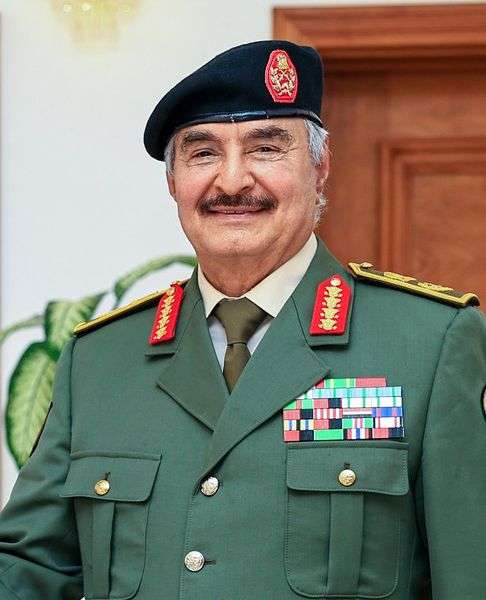
DEATH PENALTYAUGUST 23, 2026
Eastern Libya executes 10 convicted on terrorism charges

DEATH PENALTYAUGUST 21, 2026
Japan: man executed over killing 5 people
DEATH PENALTYAUGUST 15, 2026