
In Syria, capital crimes are: treason; murder...
In Syria, capital crimes are: treason; murder...
5 MIN READ
In Syria, capital crimes are: treason; murder; political acts such as bearing arms against Syria in the ranks of the enemy, desertion of the armed forces to the enemy and acts of incitement under martial law or in wartime; violent robberies; rape; verbal opposition to the government; and membership in the Muslim Brotherhood. Syria also applies the death penalty for drug-trafficking while the punishment for possession of drugs is life imprisonment.
As part of the Arab Spring, mass protests erupted in Syria in March 2011, and quickly developed into a full-scale nationwide uprising, with protesters demanding the resignation of President Bashar al-Assad and the overthrow of the government. The regime took a decision to use the utmost force to stop the mass movement from growing further. Cities were invaded with tanks and neighbourhoods were bombed. Mass arrests, brutal torture, executions and rape, are all methods that the regime has resorted to.
In December 2011, Bashar al-Assad signed into effect a law imposing the death penalty “on anyone providing weapons or helping to provide weapons intended for the carrying out of terrorist acts,” the official SANA news agency said.
On 2 July 2012, President al-Assad issued three new "counter-terrorism" laws, the official SANA news agency said. "Those who create or direct terrorist groups may be sentenced with 10 to 20 years of hard labour, but the punishment may be more severe if the goal is to change the regime or the structure of the state," said the text of the laws passed on 28 June. "If these (terrorist) acts result in death or disability for the victims, the death sentence may be imposed," it added. Moreover, "the financing of terrorism, including any action to collect and directly or indirectly provide money, weapons, ammunition, explosives, communication equipment or intelligence to aid acts of terrorism are punishable by 15 to 20 years in prison." The lowest penalty is five years in prison for acts that do not result in loss of life or property. Another law says state employees convicted of "any act of terrorism – whether he is directly engaged, an accessory to the crime, or providing material or moral support to terrorist groups in any way – will be fired," SANA said. This law also applies to former government employees, who risk losing their pensions if convicted. A third law provides for jail terms of 10 to 20 years with hard labor and a fine for any kidnapping for ransom, the news agency said. SANA said that during a debate on 28 June, members of parliament said the laws were "needed at this stage, given the negative impact of terrorism on the security of the country and its citizens."
On 23 October 2012, President Bashar al-Assad issued the legislative decree No. 71 for 2012 stipulating for granting a general amnesty for the crimes committed before October 23. The decree replaces death penalty with life sentence of hard labor or long imprisonment sentence according to the crime. It also replaces life sentence of hard labor with 20 years imprisonment with hard labor, and it replaces the life imprisonment sentence with 20 years imprisonment. The decree grants amnesty for the whole of life and permanent sentence for people with incurable diseases and the whole permanent sentence for people who completed seventy years of age by the issuance of the decree. Crimes of smuggling weapons and drug trafficking are excluded from the provision of this decree. The decree's terms don't include the fugitives from justice unless they turn themselves in within 30 days for internal flight. The Syrian opposition dismissed the decision as a sham, DPA news agency reported. "This is not a real amnesty. He (al-Assad) releases 100 prisoners and detains 500 others," Rami Abdul-Rahman, the head of the opposition Syrian Observatory for Human Rights, told DPA.
In 2011, news of death sentences and executions were reported by humanitarian organizations, although not confirmed by sources of the Syrian regime. In 2010, the authorities carried out at least 17 executions. At least 8 executions were carried out in 2009 and at least 1 took place in 2008. No executions were recorded in 2005 while 2 were recorded in 2006 and at least 7 in 2007.
It is not possible to give the exact number of executions carried out in Syria in 2012, due to the ongoing civil war and the lack of official information provided by Syrian authorities. However, unconfirmed reports by local media have recorded several cases of capital punishment.
On 29 January 2012, the Syrian Association for the Defense of Human Rights claimed that soldiers from the Air Intelligence carried out the death sentence by firing squad against army dissident Hussein Harmoush. The Association said the news about the execution came from Syrian military sources. It demanded that the authorities hand over his body to his family for burial in accordance with the legal rules. Harmoush appeared in a video in June 2011 denouncing his government and calling on fellow soldiers to rebel. Al-Harmoush disappeared from a refugee camp where he had been living in Turkey on 29 August. Then he appeared on Syria TV, contradicting previous statements he had made, saying that “during my service in the Syrian army, nobody ordered me to fire at civilians.”
On December 20, 2012, Syria voted against the Resolution on a Moratorium on the Use of the Death Penalty at the UN General Assembly.
As part of the Arab Spring, mass protests erupted in Syria in March 2011, and quickly developed into a full-scale nationwide uprising, with protesters demanding the resignation of President Bashar al-Assad and the overthrow of the government. The regime took a decision to use the utmost force to stop the mass movement from growing further. Cities were invaded with tanks and neighbourhoods were bombed. Mass arrests, brutal torture, executions and rape, are all methods that the regime has resorted to.
In December 2011, Bashar al-Assad signed into effect a law imposing the death penalty “on anyone providing weapons or helping to provide weapons intended for the carrying out of terrorist acts,” the official SANA news agency said.
On 2 July 2012, President al-Assad issued three new "counter-terrorism" laws, the official SANA news agency said. "Those who create or direct terrorist groups may be sentenced with 10 to 20 years of hard labour, but the punishment may be more severe if the goal is to change the regime or the structure of the state," said the text of the laws passed on 28 June. "If these (terrorist) acts result in death or disability for the victims, the death sentence may be imposed," it added. Moreover, "the financing of terrorism, including any action to collect and directly or indirectly provide money, weapons, ammunition, explosives, communication equipment or intelligence to aid acts of terrorism are punishable by 15 to 20 years in prison." The lowest penalty is five years in prison for acts that do not result in loss of life or property. Another law says state employees convicted of "any act of terrorism – whether he is directly engaged, an accessory to the crime, or providing material or moral support to terrorist groups in any way – will be fired," SANA said. This law also applies to former government employees, who risk losing their pensions if convicted. A third law provides for jail terms of 10 to 20 years with hard labor and a fine for any kidnapping for ransom, the news agency said. SANA said that during a debate on 28 June, members of parliament said the laws were "needed at this stage, given the negative impact of terrorism on the security of the country and its citizens."
On 23 October 2012, President Bashar al-Assad issued the legislative decree No. 71 for 2012 stipulating for granting a general amnesty for the crimes committed before October 23. The decree replaces death penalty with life sentence of hard labor or long imprisonment sentence according to the crime. It also replaces life sentence of hard labor with 20 years imprisonment with hard labor, and it replaces the life imprisonment sentence with 20 years imprisonment. The decree grants amnesty for the whole of life and permanent sentence for people with incurable diseases and the whole permanent sentence for people who completed seventy years of age by the issuance of the decree. Crimes of smuggling weapons and drug trafficking are excluded from the provision of this decree. The decree's terms don't include the fugitives from justice unless they turn themselves in within 30 days for internal flight. The Syrian opposition dismissed the decision as a sham, DPA news agency reported. "This is not a real amnesty. He (al-Assad) releases 100 prisoners and detains 500 others," Rami Abdul-Rahman, the head of the opposition Syrian Observatory for Human Rights, told DPA.
In 2011, news of death sentences and executions were reported by humanitarian organizations, although not confirmed by sources of the Syrian regime. In 2010, the authorities carried out at least 17 executions. At least 8 executions were carried out in 2009 and at least 1 took place in 2008. No executions were recorded in 2005 while 2 were recorded in 2006 and at least 7 in 2007.
It is not possible to give the exact number of executions carried out in Syria in 2012, due to the ongoing civil war and the lack of official information provided by Syrian authorities. However, unconfirmed reports by local media have recorded several cases of capital punishment.
On 29 January 2012, the Syrian Association for the Defense of Human Rights claimed that soldiers from the Air Intelligence carried out the death sentence by firing squad against army dissident Hussein Harmoush. The Association said the news about the execution came from Syrian military sources. It demanded that the authorities hand over his body to his family for burial in accordance with the legal rules. Harmoush appeared in a video in June 2011 denouncing his government and calling on fellow soldiers to rebel. Al-Harmoush disappeared from a refugee camp where he had been living in Turkey on 29 August. Then he appeared on Syria TV, contradicting previous statements he had made, saying that “during my service in the Syrian army, nobody ordered me to fire at civilians.”
On December 20, 2012, Syria voted against the Resolution on a Moratorium on the Use of the Death Penalty at the UN General Assembly.
KEEP READING
ALL THE NEWS · DEATH PENALTY On the same front
DEATH PENALTYAUGUST 31, 2026
Pakistan: ASI sentenced to death for killing two brothers in Swabi
DEATH PENALTYAUGUST 31, 2026
Bangladesh: HC confirms death sentence of lone accused for rape, murder of 8-year-old Asiya

DEATH PENALTYAUGUST 30, 2026
Pakistan: Man sentenced to death, brother gets life term for double murder in 2021
DEATH PENALTYAUGUST 23, 2026
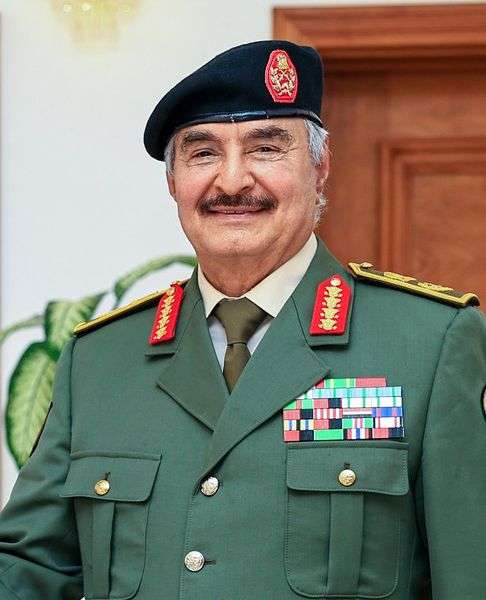
Eastern Libya executes 10 convicted on terrorism charges

DEATH PENALTYAUGUST 21, 2026
Japan: man executed over killing 5 people
DEATH PENALTYAUGUST 15, 2026