
Lebanon reinstated the death penalty in 1994 in a bid to stem a rise in violent crime following the 1975-90 civil war.
Lebanon reinstated the death penalty in 1994 in a bid to stem a rise in violent crime following the 1975-90 civil war.
2 MIN READ
Lebanon reinstated the death penalty in 1994 in a bid to stem a rise in violent crime following the 1975-90 civil war.
Crimes punishable by death are: murder, attempted murder, collaboration with Israel, terrorism and acts of riot and strife.
Article 302 of the Penal Code had prescribed a mandatory death sentence for all premeditated murders and stripped judges of discretion to consider mitigating factors. In July 2001, the Lebanese Parliament voted unanimously to repeal this law and leave the application of the death penalty to the discretion of judges.
Execution decrees must be signed by the president and the prime minister.
The last public executions took place on May 19, 1998 and sparked an uproar because the gallows did not work properly. Over 1,000 people attended the hanging of two convicted murderers, who were put to death near the victims' house, with their bodies left in public view for an hour. Between 1994 and 1998, 14 murderers were executed by hanging or firing squad.
Between independence on November 22, 1943, and 1998, 48 people were executed in Lebanon, according to a Daily Star 2001 report. Thirty-four of them were hanged and 14 were shot by firing squads. All of those who were executed were males, more than half of them were younger than 27, and around 20 were married with children.
The following Lebanese Presidents authorised the listed number of executions: Beshara Khoury (1943-1952) 19; Camille Chamoun (1952-1958) 6; Fuad Chehab (1958-1964) 4; Suleiman Franjieh (1970-1976) 4; Amin Gemayel (1982-1988) 1 and Elias Hrawi (1989-1998) 14. Presidents Charles Helou (1964-1970) and Elias Sarkis (1976-1982) authorised no executions.
When President Emile Lahoud took over from Elias Hrawi in 1998, executions were interrupted because then Prime Minister Salim Hoss, an opponent of the death penalty, refused to sign any execution orders.
In December 2001, President Lahoud pledged to maintain a moratorium on executions for the duration of his mandate. However on January 17, 2004 three Lebanese men sentenced to death for murder were executed at dawn in Rumieh prison, northeast of Beirut, on his authorisation.
A government statement announced on January 16, 2004 that six other prisoners on death row had had their sentences reduced to life in prison with hard labour.
Although a large number of death sentences have been passed since Lebanon's independence, only 51 people have been executed. This figure does not include sentences issued during the Civil War when the judicial system collapsed and militias passed "sentences" without trials.
On December 18, 2007 Lebanon abstained on the Resolution on a Moratorium on the Use of the Death Penalty at the UN General Assembly.
Crimes punishable by death are: murder, attempted murder, collaboration with Israel, terrorism and acts of riot and strife.
Article 302 of the Penal Code had prescribed a mandatory death sentence for all premeditated murders and stripped judges of discretion to consider mitigating factors. In July 2001, the Lebanese Parliament voted unanimously to repeal this law and leave the application of the death penalty to the discretion of judges.
Execution decrees must be signed by the president and the prime minister.
The last public executions took place on May 19, 1998 and sparked an uproar because the gallows did not work properly. Over 1,000 people attended the hanging of two convicted murderers, who were put to death near the victims' house, with their bodies left in public view for an hour. Between 1994 and 1998, 14 murderers were executed by hanging or firing squad.
Between independence on November 22, 1943, and 1998, 48 people were executed in Lebanon, according to a Daily Star 2001 report. Thirty-four of them were hanged and 14 were shot by firing squads. All of those who were executed were males, more than half of them were younger than 27, and around 20 were married with children.
The following Lebanese Presidents authorised the listed number of executions: Beshara Khoury (1943-1952) 19; Camille Chamoun (1952-1958) 6; Fuad Chehab (1958-1964) 4; Suleiman Franjieh (1970-1976) 4; Amin Gemayel (1982-1988) 1 and Elias Hrawi (1989-1998) 14. Presidents Charles Helou (1964-1970) and Elias Sarkis (1976-1982) authorised no executions.
When President Emile Lahoud took over from Elias Hrawi in 1998, executions were interrupted because then Prime Minister Salim Hoss, an opponent of the death penalty, refused to sign any execution orders.
In December 2001, President Lahoud pledged to maintain a moratorium on executions for the duration of his mandate. However on January 17, 2004 three Lebanese men sentenced to death for murder were executed at dawn in Rumieh prison, northeast of Beirut, on his authorisation.
A government statement announced on January 16, 2004 that six other prisoners on death row had had their sentences reduced to life in prison with hard labour.
Although a large number of death sentences have been passed since Lebanon's independence, only 51 people have been executed. This figure does not include sentences issued during the Civil War when the judicial system collapsed and militias passed "sentences" without trials.
On December 18, 2007 Lebanon abstained on the Resolution on a Moratorium on the Use of the Death Penalty at the UN General Assembly.
KEEP READING
ALL THE NEWS · DEATH PENALTY On the same front
DEATH PENALTYAUGUST 31, 2026
Pakistan: ASI sentenced to death for killing two brothers in Swabi
DEATH PENALTYAUGUST 30, 2026
Pakistan: Man sentenced to death, brother gets life term for double murder in 2021
DEATH PENALTYAUGUST 23, 2026
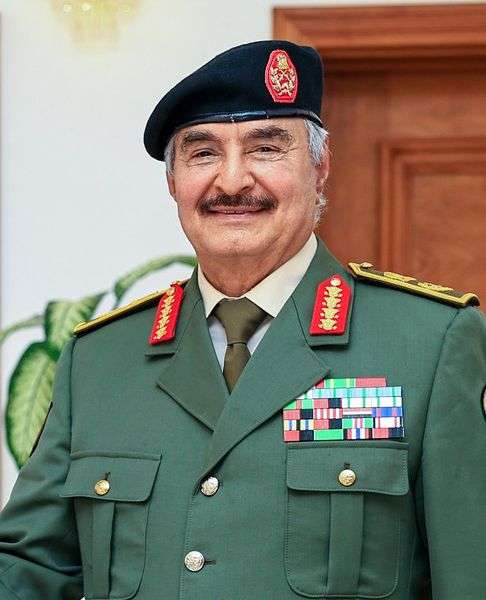
Eastern Libya executes 10 convicted on terrorism charges
DEATH PENALTYAUGUST 21, 2026
Japan: man executed over killing 5 people
DEATH PENALTYAUGUST 15, 2026
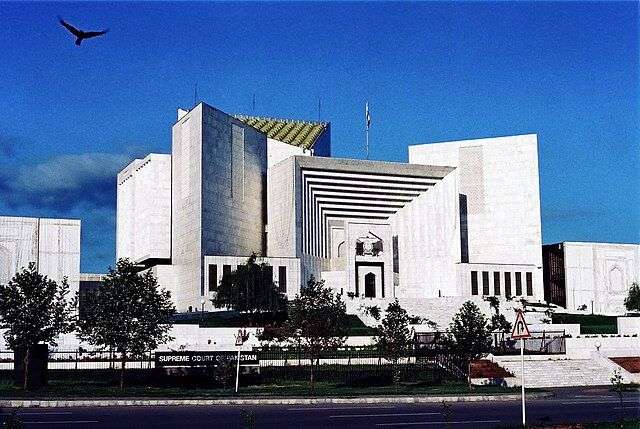
Pakistan: SC upholds death sentence in ex-wife’s murder
DEATH PENALTYAUGUST 14, 2026