
Moldova abolished the death penalty for all crimes in December 1995.
Moldova abolished the death penalty for all crimes in December 1995.
1 MIN READ
Moldova abolished the death penalty for all crimes in December 1995.
The death penalty has been retained in the internationally unrecognized separatist entity of Transdniestria. In the region, that unilaterally declared independence from Moldova in 1990, the death penalty is a legal punishment for crimes committed in peacetime and in wartime. Under Article 58 of the de facto Criminal Code of Transdniestria, approved on May 15, 2002, the death penalty is envisaged for especially grave offences against life. Six crimes are punishable by death: murder, attempt to murder a state or public official, armed rebellion, attempt to murder a magistrate or investigator, attempt to murder a law enforcement agent and genocide. The method of execution is shooting and there was one person on death row in 2002. Women and people who were below the age of 18 at the time when the crime was committed cannot be sentenced to death. On July 6, 1999, the de facto President signed a decree introducing a moratorium on executions with retroactive effect from January 1, 1999. The moratorium is still in place. The Criminal Code gives the President authority to grant clemency. The death penalty can be replaced with life imprisonment or deprivation of liberty for a period of 25 years.
The death penalty has been retained in the internationally unrecognized separatist entity of Transdniestria. In the region, that unilaterally declared independence from Moldova in 1990, the death penalty is a legal punishment for crimes committed in peacetime and in wartime. Under Article 58 of the de facto Criminal Code of Transdniestria, approved on May 15, 2002, the death penalty is envisaged for especially grave offences against life. Six crimes are punishable by death: murder, attempt to murder a state or public official, armed rebellion, attempt to murder a magistrate or investigator, attempt to murder a law enforcement agent and genocide. The method of execution is shooting and there was one person on death row in 2002. Women and people who were below the age of 18 at the time when the crime was committed cannot be sentenced to death. On July 6, 1999, the de facto President signed a decree introducing a moratorium on executions with retroactive effect from January 1, 1999. The moratorium is still in place. The Criminal Code gives the President authority to grant clemency. The death penalty can be replaced with life imprisonment or deprivation of liberty for a period of 25 years.
KEEP READING
ALL THE NEWS · DEATH PENALTY On the same front

DEATH PENALTYAUGUST 31, 2026
Pakistan: ASI sentenced to death for killing two brothers in Swabi

DEATH PENALTYAUGUST 31, 2026
Bangladesh: HC confirms death sentence of lone accused for rape, murder of 8-year-old Asiya

DEATH PENALTYAUGUST 30, 2026
Pakistan: Man sentenced to death, brother gets life term for double murder in 2021
DEATH PENALTYAUGUST 23, 2026
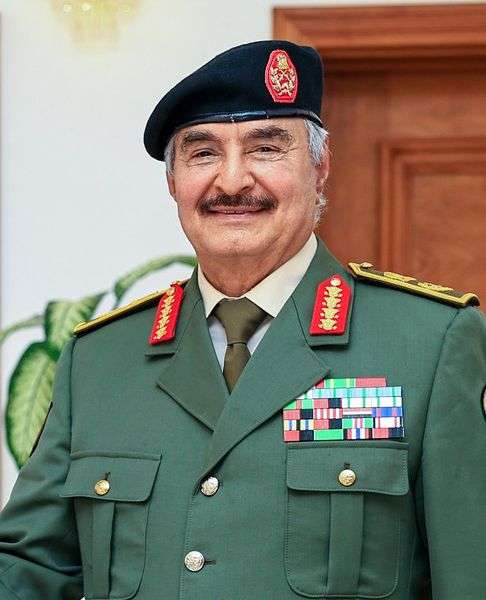
Eastern Libya executes 10 convicted on terrorism charges

DEATH PENALTYAUGUST 21, 2026
Japan: man executed over killing 5 people
DEATH PENALTYAUGUST 15, 2026