
Murder and acts threatening state security are crimes punishable by death.
Murder and acts threatening state security are crimes punishable by death.
2 MIN READ
The Constitution, at Article 15 on the ‘Right to Life and Liberty’ states that: “(1) No person shall be deprived of life without due process of law; (2) No person shall be deprived of liberty without due process of law.” Article 16 (2) states: “No person shall be subject to torture or to cruel, inhuman or degrading treatment or punishment.”
Murder and acts threatening state security are crimes punishable by death. However, the Eritrean legal system favours out-of-court settlements, whereby if the parties reach an agreement (usually economic), the judge can commute a death sentence to a prison term.
Since its independence in 1993, there are no reports of judicial executions carried out in Eritrea.
In 2016, no death sentences have been recorded, as in 2017.
The death penalty on women
Pregnant women cannot be executed, and a sentence of death is commuted to life imprisonment. This conforms with Eritrea’s international obligations as party to the International Covenant on Civil and Political Rights, which prohibits such executions.
Also women with a child under the age of 3 cannot be executed and a death sentence is commuted to life imprisonment. This conforms with Eritrea’s international obligations as a party to the African Charter on the Rights and Welfare of the Child, which prohibits the execution of nursing mothers.
United Nations
On December 19, 2016, for the second time, Eritrea voted in favour of the Resolution on a Moratorium on the Use of the Death Penalty at the UN General Assembly. Previously it had always abstained on the Resolution.
On December 17, 2018, Eritrea co-sponsored and voted in favour of the Resolution on a Moratorium on the Use of the Death Penalty at the UN General Assembly.
Murder and acts threatening state security are crimes punishable by death. However, the Eritrean legal system favours out-of-court settlements, whereby if the parties reach an agreement (usually economic), the judge can commute a death sentence to a prison term.
Since its independence in 1993, there are no reports of judicial executions carried out in Eritrea.
In 2016, no death sentences have been recorded, as in 2017.
The death penalty on women
Pregnant women cannot be executed, and a sentence of death is commuted to life imprisonment. This conforms with Eritrea’s international obligations as party to the International Covenant on Civil and Political Rights, which prohibits such executions.
Also women with a child under the age of 3 cannot be executed and a death sentence is commuted to life imprisonment. This conforms with Eritrea’s international obligations as a party to the African Charter on the Rights and Welfare of the Child, which prohibits the execution of nursing mothers.
United Nations
On December 19, 2016, for the second time, Eritrea voted in favour of the Resolution on a Moratorium on the Use of the Death Penalty at the UN General Assembly. Previously it had always abstained on the Resolution.
On December 17, 2018, Eritrea co-sponsored and voted in favour of the Resolution on a Moratorium on the Use of the Death Penalty at the UN General Assembly.
KEEP READING
ALL THE NEWS · DEATH PENALTY On the same front

DEATH PENALTYAUGUST 31, 2026
Pakistan: ASI sentenced to death for killing two brothers in Swabi

DEATH PENALTYAUGUST 30, 2026
Pakistan: Man sentenced to death, brother gets life term for double murder in 2021

DEATH PENALTYAUGUST 23, 2026
Eastern Libya executes 10 convicted on terrorism charges

DEATH PENALTYAUGUST 21, 2026
Japan: man executed over killing 5 people
DEATH PENALTYAUGUST 15, 2026
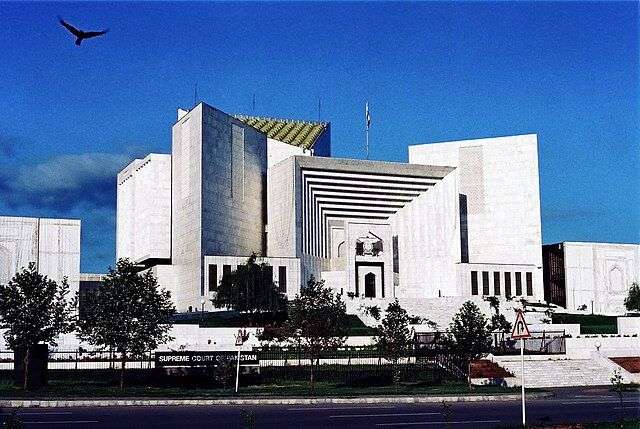
Pakistan: SC upholds death sentence in ex-wife’s murder
DEATH PENALTYAUGUST 14, 2026