
On 28 May 2013, Papua New Guinea repealed
On 28 May 2013, Papua New Guinea repealed
2 MIN READ
In May 2013, Papua New Guinea expanded its use of the death penalty, reinstating it for crimes such as aggravated rape, sorcery-related killings and robbery with violence. Prior to the 28 May 2013 amendment, the Criminal Code Act provided capital punishment only for murder, treason and piracy. The Defence Forces Act also provides for the death penalty. However, it was never imposed for those crimes, nor were there any executions for wilful murder since 1954.
Exact figures on the number of people executed prior to 1954 are not available, although it is known that at least 67 people were executed by hanging under the Australian, British and German colonial administrations of PNG between the two world wars. Some analysts said part of the reason that the country has not executed prisoners is the tribal culture of payback. An executioner, or even lawmakers who enabled the execution, could be subjected to violent retribution from members of the executed prisoner’s clan. In May 2013, Papua New Guinea’s Parliament amended section 597 of the Criminal Code Act, allowing for a number of modes of execution: hanging, lethal injection, “medical death by deprivation of oxygen”, firing squad and electrocution. Previously, members of the Constitutional Law Reform Commission had travelled abroad including to the United States, Thailand, Singapore, Malaysia and Indonesia to try and decide which one of those options was the best.
On 7 March 2014, the Constitutional Law Reform Commission had recommended that lethal injections be the method of executing prisoners sentenced to death, and on 9 April the National Executive Council gave the green light for work to proceed in establishing necessary policies to enable the implementation of the death penalty through lethal injection.
On 11 October 2014, however, PNG’s government ruled out lethal injection as an option because of restrictions placed on accessing the drugs needed by the manufacturer. The Secretary of the Department of Justice, Lawrence Kalinoe, told a gathering in Southern Highlands that a comprehensive report had been submitted to cabinet for it to choose from the remaining options: hanging, electrocution, deprivation of oxygen or firing squad.
As of April 2014, there were 13 death row inmates, five of whom were sentenced to death for wilful murder and the other eight with “crimes of piracy.”
On 18 December 2014, Papua New Guinea voted against the Resolution on a Moratorium on the Use of the Death Penalty at the UN General Assembly; it had abstained in December 2012.
Exact figures on the number of people executed prior to 1954 are not available, although it is known that at least 67 people were executed by hanging under the Australian, British and German colonial administrations of PNG between the two world wars. Some analysts said part of the reason that the country has not executed prisoners is the tribal culture of payback. An executioner, or even lawmakers who enabled the execution, could be subjected to violent retribution from members of the executed prisoner’s clan. In May 2013, Papua New Guinea’s Parliament amended section 597 of the Criminal Code Act, allowing for a number of modes of execution: hanging, lethal injection, “medical death by deprivation of oxygen”, firing squad and electrocution. Previously, members of the Constitutional Law Reform Commission had travelled abroad including to the United States, Thailand, Singapore, Malaysia and Indonesia to try and decide which one of those options was the best.
On 7 March 2014, the Constitutional Law Reform Commission had recommended that lethal injections be the method of executing prisoners sentenced to death, and on 9 April the National Executive Council gave the green light for work to proceed in establishing necessary policies to enable the implementation of the death penalty through lethal injection.
On 11 October 2014, however, PNG’s government ruled out lethal injection as an option because of restrictions placed on accessing the drugs needed by the manufacturer. The Secretary of the Department of Justice, Lawrence Kalinoe, told a gathering in Southern Highlands that a comprehensive report had been submitted to cabinet for it to choose from the remaining options: hanging, electrocution, deprivation of oxygen or firing squad.
As of April 2014, there were 13 death row inmates, five of whom were sentenced to death for wilful murder and the other eight with “crimes of piracy.”
On 18 December 2014, Papua New Guinea voted against the Resolution on a Moratorium on the Use of the Death Penalty at the UN General Assembly; it had abstained in December 2012.
KEEP READING
ALL THE NEWS · DEATH PENALTY On the same front

DEATH PENALTYAUGUST 31, 2026
Pakistan: ASI sentenced to death for killing two brothers in Swabi

DEATH PENALTYAUGUST 30, 2026
Pakistan: Man sentenced to death, brother gets life term for double murder in 2021
DEATH PENALTYAUGUST 23, 2026
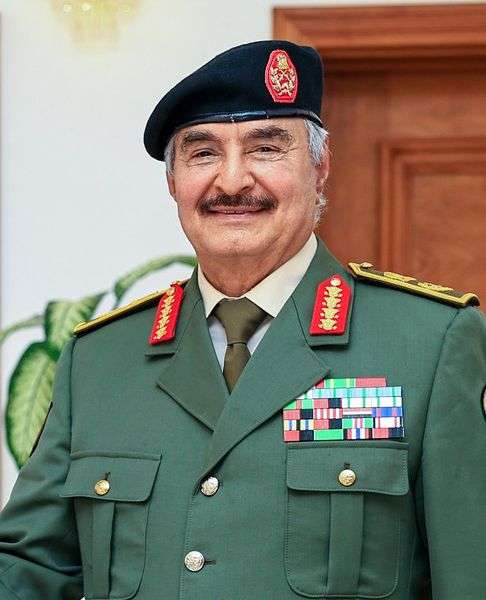
Eastern Libya executes 10 convicted on terrorism charges
DEATH PENALTYAUGUST 21, 2026
Japan: man executed over killing 5 people
DEATH PENALTYAUGUST 15, 2026
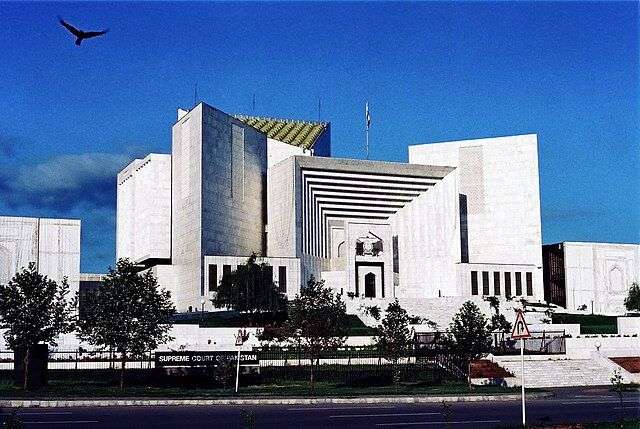
Pakistan: SC upholds death sentence in ex-wife’s murder
DEATH PENALTYAUGUST 14, 2026