
On April 9, 2003 Saddam Hussein’s Baathist regime was overthrown by a US-led military coalition.
On April 9, 2003 Saddam Hussein’s Baathist regime was overthrown by a US-led military coalition.
6 MIN READ
On April 9, 2003 Saddam Hussein’s Baathist regime was overthrown by a US-led military coalition. Under UN Security Council Resolutions 1483, 1500, and 1511, an Interim Administration, comprised of the Coalition Provisional Authority (CPA) and the Iraqi Governing Council, was to administer the country until an internationally recognized, representative government was established and assumed responsibility. On June 28, 2004 power was transferred to an interim Iraqi government headed by Iyad Allawi.
The new interim government re-introduced the death penalty. The use of capital punishment had been suspended by the US Central Command as Saddam Hussein was ousted from power. The ban was maintained by the Coalition Provisional Authority (CPA) and a new interim constitution made no mention of the death penalty. However, on August 8, 2004 Iraq re-instated the death penalty for a limited range of crimes including murder, kidnapping, rape, drug offences and threats to national security. On October 4, 2005, Iraqi lawmakers approved the death penalty for anyone financing or “provoking” terrorism. The tough new anti-terrorism law set capital punishment for those who “commit ... terror acts” as well as those who “provoke, plan, finance and all those who enable terrorists to commit these crimes”.
According to Iraqi law a death sentence must be approved by the government, the President and the two Vice-Presidents.
The death penalty has been in force in the Iraqi legal system since 1921, following the foundation of the Iraqi State in 1920. Its field of application had been increasingly extended since the taking of power by the Baath party in 1968 and since 1979, the year marking the beginning of Saddam Hussein's presidency.
Saddam’s survival for a quarter of a century depended on a ruthless response to any hint of dissent. Up to his fall in 2003, several special courts in Iraq were run by the country's diverse security services. Their rulings could not be appealed and defendants were not allowed access to lawyers. A large number of death penalty convictions were put into effect through laws and decrees enacted by the Council of the Revolution Command (CCR). The CCR represented the supreme legislative authority of the regime and its decisions had the force of law. The proportionality of the sentence according to the seriousness of the offence did not exist in Saddam Hussein’s Iraq. The death penalty was applicable to a vast range of crimes, including: attempting to murder the president; political activities outside the Baath party, such as becoming a member of the Baath party without previously having informed it of a previous membership of other parties, maintaining relations with a previous party or leaving the Baath party to join another party; offences such as membership of a party or an organization created in order to overthrow the regime or to plot against the State; membership of the Al Dawa Islamic Party, without distinction of age (under 18 or old people); seeking refuge abroad, joining opponents to the regime and revealing State secrets (including reports on the human rights situation); drug trafficking; car theft; money forging; corruption; speculation on currency; embezzlement; forging and falsification of documents, in particular for the persons belonging to the army or for civil servants; trade of prohibited goods; trafficking of antiques; prostitution; avoidance of the draft or desertion of the army on three occasions.
From 1998 to 2001, 4,000 people had been executed according to a report presented to the UN Commission on Human Rights by the Special Rapporteur on Iraq, Andreas Mavrommatis, on April 1, 2002. Estimates for executions under Saddam’s dictatorship however seem to have fallen far short of the real number of victims - by tens of thousands. The CPA said that at least 300,000 people had been buried in mass graves. Officials from human rights organisations talked of 500,000 and some Iraqi political parties estimated that more than 1 million people were executed and buried in secret places. Saddam's sons Uday and Qusay reportedly signed around 10,000 execution orders. Saddam is believed to have killed scores of army commanders after his spies in their ranks reported signs of disloyalty. The execution of political opponents and military ‘conspirators’ was kept up until the regime’s fall on April 9, 2003.
Even criticizing President Hussein was an offence in Iraq and the regime imposed cruel penalties to terrorize its citizens. Some of them like the branding of foreheads and amputations of ears, hands and tongues were prescribed by law or arbitrarily carried out by the militia force known as Saddam's Commandos.
Conditions in Iraqi prisons under Saddam were unbearable. Torture and mistreatment were very common. Methods of torture used in Iraqi jails included using electric drills to maim hands, pulling out fingernails, sexual attacks and "official rape". The International Federation for Human Rights (FIDH), following a mission to Iraq in July 2002, published a list of 199 prisons around the country, but there were many unofficial detention centres, situated in warehouses, government buildings or ministries such as the agriculture ministry. All military command centres had a detention area, generally reserved for political prisoners, estimated to be around 4,000. The total prison population added up to 60,000 inmates, thousands of whom never get to trial and for whom the only hope of release rested on amnesty. Instead of amnesties, the Iraqi regime dealt with overpopulation through the execution of hundreds of prisoners at a time.
Hands Off Cain counted 179 executions in 2001 and 214 in 2002 through reports by various Iraqi media and opposition sources. At least 113 executions - the majority of which were carried out following summary trials – took place in the first few months of 2003 until the regime’s fall.
On September 1, 2005, Iraq executed three people convicted of murder in the first executions since the toppling of former dictator Saddam Hussein in April 2003.
Criminal courts handed down more than 50 death sentences during 2005.
On June 19, 2006 prosecutors demanded the death penalty for Saddam Hussein and three of his former aides for crimes against humanity following a 1982 crackdown on Shi'ites in which hundreds were killed and tortured after an attempt on the Iraqi leader's life in the village of Dujai.
The new interim government re-introduced the death penalty. The use of capital punishment had been suspended by the US Central Command as Saddam Hussein was ousted from power. The ban was maintained by the Coalition Provisional Authority (CPA) and a new interim constitution made no mention of the death penalty. However, on August 8, 2004 Iraq re-instated the death penalty for a limited range of crimes including murder, kidnapping, rape, drug offences and threats to national security. On October 4, 2005, Iraqi lawmakers approved the death penalty for anyone financing or “provoking” terrorism. The tough new anti-terrorism law set capital punishment for those who “commit ... terror acts” as well as those who “provoke, plan, finance and all those who enable terrorists to commit these crimes”.
According to Iraqi law a death sentence must be approved by the government, the President and the two Vice-Presidents.
The death penalty has been in force in the Iraqi legal system since 1921, following the foundation of the Iraqi State in 1920. Its field of application had been increasingly extended since the taking of power by the Baath party in 1968 and since 1979, the year marking the beginning of Saddam Hussein's presidency.
Saddam’s survival for a quarter of a century depended on a ruthless response to any hint of dissent. Up to his fall in 2003, several special courts in Iraq were run by the country's diverse security services. Their rulings could not be appealed and defendants were not allowed access to lawyers. A large number of death penalty convictions were put into effect through laws and decrees enacted by the Council of the Revolution Command (CCR). The CCR represented the supreme legislative authority of the regime and its decisions had the force of law. The proportionality of the sentence according to the seriousness of the offence did not exist in Saddam Hussein’s Iraq. The death penalty was applicable to a vast range of crimes, including: attempting to murder the president; political activities outside the Baath party, such as becoming a member of the Baath party without previously having informed it of a previous membership of other parties, maintaining relations with a previous party or leaving the Baath party to join another party; offences such as membership of a party or an organization created in order to overthrow the regime or to plot against the State; membership of the Al Dawa Islamic Party, without distinction of age (under 18 or old people); seeking refuge abroad, joining opponents to the regime and revealing State secrets (including reports on the human rights situation); drug trafficking; car theft; money forging; corruption; speculation on currency; embezzlement; forging and falsification of documents, in particular for the persons belonging to the army or for civil servants; trade of prohibited goods; trafficking of antiques; prostitution; avoidance of the draft or desertion of the army on three occasions.
From 1998 to 2001, 4,000 people had been executed according to a report presented to the UN Commission on Human Rights by the Special Rapporteur on Iraq, Andreas Mavrommatis, on April 1, 2002. Estimates for executions under Saddam’s dictatorship however seem to have fallen far short of the real number of victims - by tens of thousands. The CPA said that at least 300,000 people had been buried in mass graves. Officials from human rights organisations talked of 500,000 and some Iraqi political parties estimated that more than 1 million people were executed and buried in secret places. Saddam's sons Uday and Qusay reportedly signed around 10,000 execution orders. Saddam is believed to have killed scores of army commanders after his spies in their ranks reported signs of disloyalty. The execution of political opponents and military ‘conspirators’ was kept up until the regime’s fall on April 9, 2003.
Even criticizing President Hussein was an offence in Iraq and the regime imposed cruel penalties to terrorize its citizens. Some of them like the branding of foreheads and amputations of ears, hands and tongues were prescribed by law or arbitrarily carried out by the militia force known as Saddam's Commandos.
Conditions in Iraqi prisons under Saddam were unbearable. Torture and mistreatment were very common. Methods of torture used in Iraqi jails included using electric drills to maim hands, pulling out fingernails, sexual attacks and "official rape". The International Federation for Human Rights (FIDH), following a mission to Iraq in July 2002, published a list of 199 prisons around the country, but there were many unofficial detention centres, situated in warehouses, government buildings or ministries such as the agriculture ministry. All military command centres had a detention area, generally reserved for political prisoners, estimated to be around 4,000. The total prison population added up to 60,000 inmates, thousands of whom never get to trial and for whom the only hope of release rested on amnesty. Instead of amnesties, the Iraqi regime dealt with overpopulation through the execution of hundreds of prisoners at a time.
Hands Off Cain counted 179 executions in 2001 and 214 in 2002 through reports by various Iraqi media and opposition sources. At least 113 executions - the majority of which were carried out following summary trials – took place in the first few months of 2003 until the regime’s fall.
On September 1, 2005, Iraq executed three people convicted of murder in the first executions since the toppling of former dictator Saddam Hussein in April 2003.
Criminal courts handed down more than 50 death sentences during 2005.
On June 19, 2006 prosecutors demanded the death penalty for Saddam Hussein and three of his former aides for crimes against humanity following a 1982 crackdown on Shi'ites in which hundreds were killed and tortured after an attempt on the Iraqi leader's life in the village of Dujai.
KEEP READING
ALL THE NEWS · DEATH PENALTY On the same front
DEATH PENALTYAUGUST 31, 2026
Pakistan: ASI sentenced to death for killing two brothers in Swabi

DEATH PENALTYAUGUST 30, 2026
Pakistan: Man sentenced to death, brother gets life term for double murder in 2021
DEATH PENALTYAUGUST 23, 2026
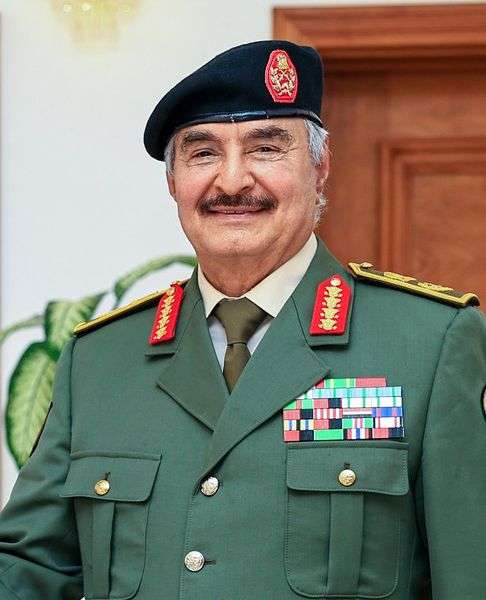
Eastern Libya executes 10 convicted on terrorism charges

DEATH PENALTYAUGUST 21, 2026
Japan: man executed over killing 5 people
DEATH PENALTYAUGUST 15, 2026
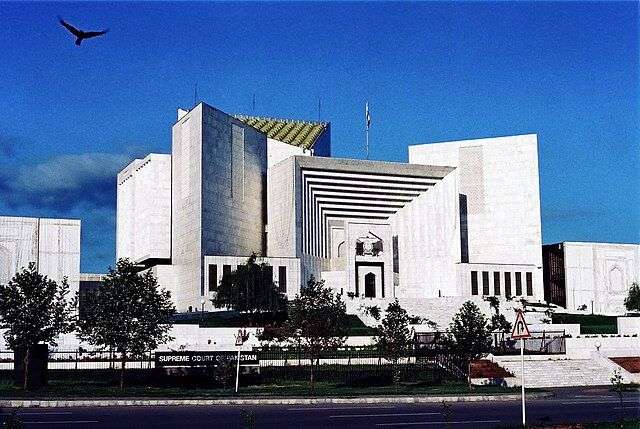
Pakistan: SC upholds death sentence in ex-wife’s murder
DEATH PENALTYAUGUST 14, 2026