
On June 23, 2009, Togo's parliament voted unanimously to abolish the death penalty.
On June 23, 2009, Togo's parliament voted unanimously to abolish the death penalty.
2 MIN READ
On June 23, 2009, Togo's parliament voted unanimously to abolish the death penalty.
Thirteen people were condemned to death in December 1986, for their part in a failed coup d’état in September 1986. Their sentences were commuted to life imprisonment by President Gnassingbe Eyadéma in October 1987.
President Eyadema came to power in 1967 following a military coup. He suspended the constitution and dissolved all political parties.
In 1991, political parties were again made legal and multiparty elections were promised. A democratic constitution was adopted in 1992. The transition faltered, however, as soldiers and secret police harassed, attacked, or killed opposition supporters. Eyadema won fraudulent elections in 1993 and 1998.
Africa's longest-serving leader, he won another five-year term as president in elections held in June 2003 from which his main rival was barred from competing, and the electoral code was amended to favour Eyadema's candidacy.
The last execution in Togo took place in 1978.
President Gnassingbe’ Eyadema governed the country for almost 40 years by the use of repression, fraudulent elections and a puppet political party. Following his death on February 5, 2005, the army named his son Faure’ Gnassingbe’ as successor, but after the reaction of the African Union and of the International Community elections were called for and held on April 24, 2005.
Faure’ Gnassingbe’ proclaimed himself winner of the election but the outcome was heavily contested by the opposition and approximately 100 people died in the ensuing riots which broke out all over the country.
Faure’ Gnassingbe’ was accredited with having obtained a majority of 60% of the vote and was sworn in as President of Togo on May 5, 2005.
On December 18, 2008 Togo abstained on the Resolution on a Moratorium on the Use of the Death Penalty at the UN General Assembly.
On December 21st, 2010 Togo voted in favour of the Resolution on a Moratorium on the Use of the Death Penalty at the UN General Assembly.
Thirteen people were condemned to death in December 1986, for their part in a failed coup d’état in September 1986. Their sentences were commuted to life imprisonment by President Gnassingbe Eyadéma in October 1987.
President Eyadema came to power in 1967 following a military coup. He suspended the constitution and dissolved all political parties.
In 1991, political parties were again made legal and multiparty elections were promised. A democratic constitution was adopted in 1992. The transition faltered, however, as soldiers and secret police harassed, attacked, or killed opposition supporters. Eyadema won fraudulent elections in 1993 and 1998.
Africa's longest-serving leader, he won another five-year term as president in elections held in June 2003 from which his main rival was barred from competing, and the electoral code was amended to favour Eyadema's candidacy.
The last execution in Togo took place in 1978.
President Gnassingbe’ Eyadema governed the country for almost 40 years by the use of repression, fraudulent elections and a puppet political party. Following his death on February 5, 2005, the army named his son Faure’ Gnassingbe’ as successor, but after the reaction of the African Union and of the International Community elections were called for and held on April 24, 2005.
Faure’ Gnassingbe’ proclaimed himself winner of the election but the outcome was heavily contested by the opposition and approximately 100 people died in the ensuing riots which broke out all over the country.
Faure’ Gnassingbe’ was accredited with having obtained a majority of 60% of the vote and was sworn in as President of Togo on May 5, 2005.
On December 18, 2008 Togo abstained on the Resolution on a Moratorium on the Use of the Death Penalty at the UN General Assembly.
On December 21st, 2010 Togo voted in favour of the Resolution on a Moratorium on the Use of the Death Penalty at the UN General Assembly.
KEEP READING
ALL THE NEWS · DEATH PENALTY On the same front

DEATH PENALTYAUGUST 31, 2026
Pakistan: ASI sentenced to death for killing two brothers in Swabi

DEATH PENALTYAUGUST 30, 2026
Pakistan: Man sentenced to death, brother gets life term for double murder in 2021
DEATH PENALTYAUGUST 23, 2026
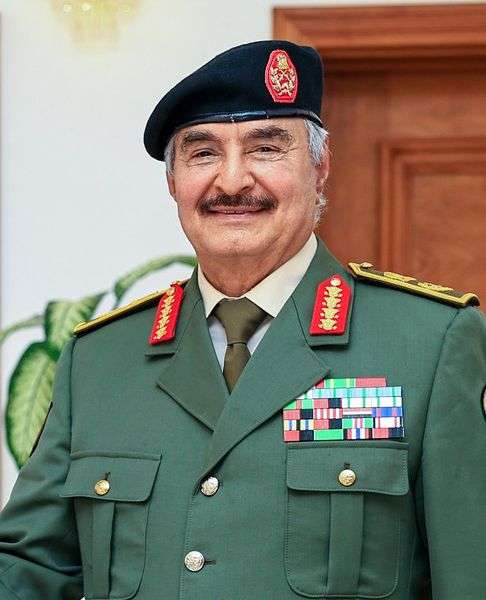
Eastern Libya executes 10 convicted on terrorism charges

DEATH PENALTYAUGUST 21, 2026
Japan: man executed over killing 5 people
DEATH PENALTYAUGUST 15, 2026
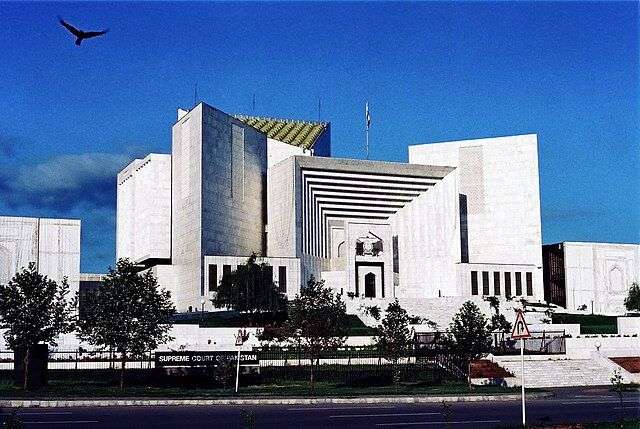
Pakistan: SC upholds death sentence in ex-wife’s murder
DEATH PENALTYAUGUST 14, 2026