
Some 50 prisoners await execution in Cuba, though no...
Some 50 prisoners await execution in Cuba, though no death sentences have been carried out there since 2000, an independent human rights organization on the island said, adding that most of those convicts live under "subhuman conditions
2 MIN READ
Some 50 prisoners await execution in Cuba, though no death sentences have been carried out there since 2000, an independent human rights organization on the island said, adding that most of those convicts live under "subhuman conditions."
The Cuban Commission on Human Rights and Reconciliation said the Cuban government has applied a moratorium on executions "in practice."
"This represents a very important and positive change from the macabre record of thousands of executions carried out during the first 42 years of the current government, the commission said.
The human rights group, headed by dissident Elizardo Sanchez Santa Cruz, urged Cuban authorities to "switch, as soon as possible, from the current de facto moratorium to a de jure moratorium that allows the immediate commutation of all pending death sentences."
The commission also said that "all the persons currently imprisoned and awaiting death penalties are not granted their rights under the 'U.N. Minimum Standards for the Treatment of Prisoners,' signed by Cuba, and hence, the majority are confined in subhuman, cruel and degrading conditions."
The organization said it was unacceptable that the prisoners "remain confined in punishment cells in the maximum security prisons."
Two death row inmates, Jorge Luis Rodriguez and Manuel Antonio Ulloa, have amputated their own hands with sharp instruments, and another, Jose Manuel Azan Rojas, poked his eyes out with a pointed object, the commission said.
The group said it has reports of other recent self-mutilations and suicide attempts among Cuban prisoners, "a phenomenon that has a lot to do with the environment of psychological torture in which they live and the cruel treatment which they suffer."
Only 5 percent of death sentences deal with crimes against the state having direct political or military implications, the commission added.
"This low percentage of people sentenced to death for crimes with political implications refutes the government argument that the death penalty is justified because of the need to protect the security of the state against the actions of violent foreign groups," the organization said.
A previous report by the commission said Cuba executed at least 21 prisoners by firing squad in 1999, making it per capita one of the leading practitioners of capital punishment in the world.
The Cuban Commission on Human Rights and Reconciliation said the Cuban government has applied a moratorium on executions "in practice."
"This represents a very important and positive change from the macabre record of thousands of executions carried out during the first 42 years of the current government, the commission said.
The human rights group, headed by dissident Elizardo Sanchez Santa Cruz, urged Cuban authorities to "switch, as soon as possible, from the current de facto moratorium to a de jure moratorium that allows the immediate commutation of all pending death sentences."
The commission also said that "all the persons currently imprisoned and awaiting death penalties are not granted their rights under the 'U.N. Minimum Standards for the Treatment of Prisoners,' signed by Cuba, and hence, the majority are confined in subhuman, cruel and degrading conditions."
The organization said it was unacceptable that the prisoners "remain confined in punishment cells in the maximum security prisons."
Two death row inmates, Jorge Luis Rodriguez and Manuel Antonio Ulloa, have amputated their own hands with sharp instruments, and another, Jose Manuel Azan Rojas, poked his eyes out with a pointed object, the commission said.
The group said it has reports of other recent self-mutilations and suicide attempts among Cuban prisoners, "a phenomenon that has a lot to do with the environment of psychological torture in which they live and the cruel treatment which they suffer."
Only 5 percent of death sentences deal with crimes against the state having direct political or military implications, the commission added.
"This low percentage of people sentenced to death for crimes with political implications refutes the government argument that the death penalty is justified because of the need to protect the security of the state against the actions of violent foreign groups," the organization said.
A previous report by the commission said Cuba executed at least 21 prisoners by firing squad in 1999, making it per capita one of the leading practitioners of capital punishment in the world.
— SOURCES
- (Sources: EFE, Reuters, 09/01/2002)
KEEP READING
ALL THE NEWS · DEATH PENALTY On the same front

DEATH PENALTYAUGUST 31, 2026
Pakistan: ASI sentenced to death for killing two brothers in Swabi

DEATH PENALTYAUGUST 31, 2026
Bangladesh: HC confirms death sentence of lone accused for rape, murder of 8-year-old Asiya

DEATH PENALTYAUGUST 30, 2026
Pakistan: Man sentenced to death, brother gets life term for double murder in 2021
DEATH PENALTYAUGUST 23, 2026
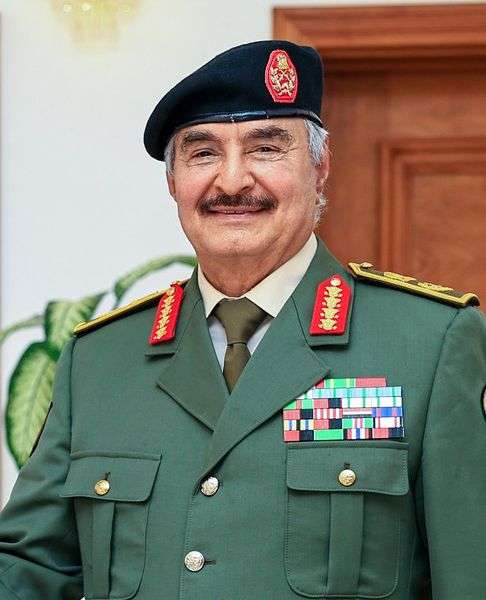
Eastern Libya executes 10 convicted on terrorism charges

DEATH PENALTYAUGUST 21, 2026
Japan: man executed over killing 5 people
DEATH PENALTYAUGUST 15, 2026