
The Committee for Amnesty has started examining the...
The Committee for Amnesty has started examining the files of four cases involving irrevocable death penalties before passing them on to the Justice Minister and subsequently to President Emile Lahoud, whose signature is final
2 MIN READ
The Committee for Amnesty has started examining the files of four cases involving irrevocable death penalties before passing them on to the Justice Minister and subsequently to President Emile Lahoud, whose signature is final. Unofficial sources said that the Committee has already recommended that the executions go ahead since it found no reason to doubt the verdicts and judged that the crimes committed were adequately serious. According to these sources, Lahoud has yet to sign decrees allowing five other executions to take place, although the files have been referred to him by the Amnesty Committee.
The president is expected to sign these decrees in the next few days. The president's signature also sets the date for execution.
In addition to the decree for execution of army soldier Fadi Meraash, already signed, a second decree authorizing the execution of Syrian national Ahmad Hussein, found guilty of the 1999 killing of a Surete Generale officer in Sidon, is expected.. Lahoud had issued two decrees allowing both executions to take place in 2000 but they were both cancelled on the basis that they were unconstitutional since they were signed by former then-Deputy Prime Minister Murr instead of then-Premier Salim Hoss.
The sources also said they expected the president to sign a decree allowing another 15 executions to go ahead over a period of one or two days before closing the concerned files.
The moves come as 73 people suspected of being involved in the January 2000 Dinnieh clashes go on trial. The clashes broke out between the army and Sunni fundamentalists in Dinnieh on New Year's Eve 1999. The fundamentalists were reportedly planning attacks on tourists during the end-of-millennium celebrations.
Sixty three of those indicted face the death sentence if found guilty of planning and taking part in the uprising. Eleven servicemen, three civilians and at least nine rebels were killed in the fighting.
Twenty-seven of the suspects remain at large and will be tried in absentia. These include Ahmad Abdel-Karim Saadi, also known as Abu Mehjen, who heads the Esbat al-Ansar fundamentalist group. He is accused of plotting the attacks. Sheikh Daei al-Islam Shahhal, the head of al-Hidaya wal-Ihsan, will also be tried. The trial's first session, to be presided over by the Judicial Council, the highest court in the country, will be devoted to reading charges against the suspects. Sentences issued by the Council, which deals with cases threatening national security, cannot be appealed.
— SOURCES
- (Sources: THE DAILY STAR 12/01/2001)
KEEP READING
ALL THE NEWS · DEATH PENALTY On the same front

DEATH PENALTYAUGUST 31, 2026
Pakistan: ASI sentenced to death for killing two brothers in Swabi

DEATH PENALTYAUGUST 31, 2026
Bangladesh: HC confirms death sentence of lone accused for rape, murder of 8-year-old Asiya

DEATH PENALTYAUGUST 30, 2026
Pakistan: Man sentenced to death, brother gets life term for double murder in 2021
DEATH PENALTYAUGUST 23, 2026
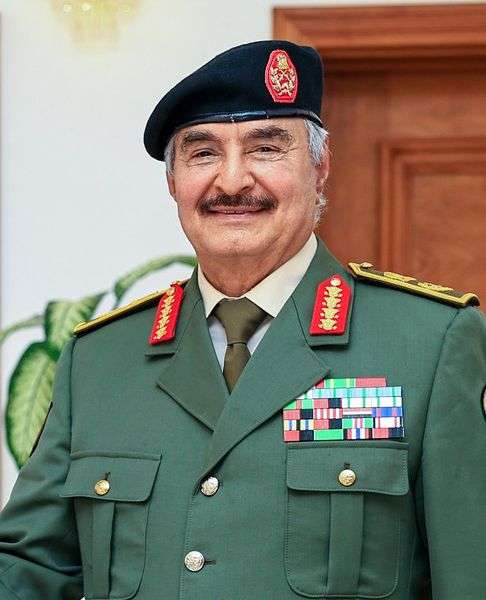
Eastern Libya executes 10 convicted on terrorism charges

DEATH PENALTYAUGUST 21, 2026
Japan: man executed over killing 5 people
DEATH PENALTYAUGUST 15, 2026