
The Country has 11 crimes that carry the death penalty
The Country has 11 crimes that carry the death penalty
6 MIN READ
The Country has 11 crimes that carry the death penalty, including aggravated murder, torture, armed robbery, arson, treason, desertion, and attempting to kill the King.
Following the May 16, 2003, bombings in Casablanca in which 43 people lost their lives, the government has started a real and proper war on terrorism. A new anti-terrorist law passed by parliament in May 2003 broadened the range of capital crimes by making ordinary crimes punishable by life imprisonment under the Criminal Code eligible for the death penalty if designated as terrorist crimes.
The death penalty is subject to pardon, which remains the constitutional prerogative of the Sovereign.
King Mohammed VI of Morocco has not signed an execution decree since he took the throne on 23 July 1999.
On 14 April 2011, Morocco freed 92 political prisoners under a pardon issued by the king following street protests demanding democratic reform. The pardon also commuted to limited prison terms death penalties for five others and life imprisonments for 37 others, officials from the National Council for Human Rights said. Prison terms for 53 others were also reduced.
The majority of those freed or whose sentences were reduced was members of the Islamist Salafist Jihad group.
Those freed included preacher Mohammed Fizazi, who was sentenced in 2003 to 30 years in jail after he was convicted of inspiring suicide bombers to kill 43 people in Casablanca in May 2003 in Morocco’s deadliest bomb attack. Local human right groups have said hundreds, including Salafist Jihad sympathizers, were jailed after the attack in politically motivated trials, often without solid evidence.
The last major act of clemency occurred on 30 July 2009, when the King amnestied about 24,000 prisoners to mark the 10th anniversary of his coronation. Many people currently on death row had their sentences commuted to life imprisonment. For many observers it was a sign of the coming abolition of the death penalty in the Country. Another act of clemency occurred on 2 March 2007, when the King granted clemency to 14 people condemned to die. The decision was reached in the context of a general amnesty that the sovereign conceded to a total of 8,836 inmates after the birth of his first daughter, Princess Lalla Khadija on 28 February.
On 11 November 2010, during ‘question time’ in Parliament in Rabat, Justice Minister Muhammad al-Naseri said, “We hope to be able to abolish the death penalty with an ad hoc law.” Al-Naseri added that “a series of legislative provisions are being studied for the reform of the penal code to fix this problem.”
Mohamed Sebbar, appointed secretary general of the Council by King Mohammed in March 2011, said the pardon was a prelude to a thorough review of the cases of political prisoners.
In March 2011, King Mohammed announced constitutional reforms to give up some of his sweeping powers and make the judiciary independent. It came after a youth-led movement called February 20 spearheaded some of the biggest anti-establishment protests in decades in the North African Country, with demands that included the release of political prisoners.
On 1 July 2011, the constitutional reforms called for by Mohammed VI were approved by a public referendum with a landslide 98% vote. Reforms included freedom for political parties, the separation of the government’s executive from its judicial branch, women’s rights and minority rights. For the first time, the constitution affirms life as a fundamental right.
On 24 June 2011, the Ministry of Justice’s director for penal affairs Mohamed Abdennabaoui said Morocco was moving gradually towards the abolition of the death penalty and that the constitutional reforms called for by Mohammed VI, approved by the public referendum of 1 July, will speed up the process. Abdennabaoui was speaking in Rabat on the sidelines of the opening of the General Assembly of the International Coalition against the Death Penalty, held for the first time in an Arab Country. “I personally am in favour of the death penalty being abolished,” Abdennabaoui said. Some 103 prisoners, including two women, are awaiting execution in Morocco, said Abdennabaoui, who presented these figures as the “latest official figures.”
On 10 July 2012, the President of "Moroccan Coalition against the Death Penalty", Abderrahim El Jamai, has asked the government to honor its international commitments and sponsor the Resolution on moratorium on the use of the death penalty, which will be put to a vote of the UN General Assembly in December. El Jamai said the government must quit the usual vote of abstention, which would be "an unacceptable political position." Speaking at a seminar on "Parliament and the abolition of the death penalty", organized at the Chamber of Deputies, jointly, by the Authenticity and Modernity party (PAM) and the Moroccan Coalition against the death penalty, El Jamai has recommended the establishment of a group of supporters of the abolition, with the goal of being the vanguard in the defense of the provisions of the Constitution and international treaties on human rights, even appealing, if necessary, to the Constitutional Court. For his part, Ouahbi Abdellatif, chairman of the PAM parliamentary group, said that – despite the significant progress made by Morocco at constitutional level, since Article 20 of the Constitution of 2011 affirms life as a fundamental right – the real challenge is how addressing the issue at legislative level.
Since 1973, only two of 133 people have been executed. The last execution took place in 1993 when Mohammed Tabet, Chief of Police and Chief of Intelligence of the Country, was executed for abuses of power and the rape of hundreds of woman and girls.
According to Amnesty International, 5 death sentences were handed down in 2011 and at least 7 were imposed in 2012 in Morocco Western Sahara, a territory contested by Morocco and Polisario Front.
On 22 May 2012, Morocco was reviewed under the Universal Periodic Review of the UN Human Rights Council. The government reiterated that no capital punishment had been carried out since 1993 and that there was also a draft law which aimed at reducing the number of crimes punished with death. Morocco rejected recommendations to introduce a de jure moratorium on the executions as rapidly as possible, to commute all death sentences to prison sentences and abolish, once and for all, the death penalty. However, it accepted recommendations to continue the implementation of a de facto moratorium on executions and make efforts to achieve the total abolishment of capital punishment.
On 20 December 2012, Morocco abstained from the Resolution on a Moratorium on the Use of the Death Penalty at the UN General Assembly.
Following the May 16, 2003, bombings in Casablanca in which 43 people lost their lives, the government has started a real and proper war on terrorism. A new anti-terrorist law passed by parliament in May 2003 broadened the range of capital crimes by making ordinary crimes punishable by life imprisonment under the Criminal Code eligible for the death penalty if designated as terrorist crimes.
The death penalty is subject to pardon, which remains the constitutional prerogative of the Sovereign.
King Mohammed VI of Morocco has not signed an execution decree since he took the throne on 23 July 1999.
On 14 April 2011, Morocco freed 92 political prisoners under a pardon issued by the king following street protests demanding democratic reform. The pardon also commuted to limited prison terms death penalties for five others and life imprisonments for 37 others, officials from the National Council for Human Rights said. Prison terms for 53 others were also reduced.
The majority of those freed or whose sentences were reduced was members of the Islamist Salafist Jihad group.
Those freed included preacher Mohammed Fizazi, who was sentenced in 2003 to 30 years in jail after he was convicted of inspiring suicide bombers to kill 43 people in Casablanca in May 2003 in Morocco’s deadliest bomb attack. Local human right groups have said hundreds, including Salafist Jihad sympathizers, were jailed after the attack in politically motivated trials, often without solid evidence.
The last major act of clemency occurred on 30 July 2009, when the King amnestied about 24,000 prisoners to mark the 10th anniversary of his coronation. Many people currently on death row had their sentences commuted to life imprisonment. For many observers it was a sign of the coming abolition of the death penalty in the Country. Another act of clemency occurred on 2 March 2007, when the King granted clemency to 14 people condemned to die. The decision was reached in the context of a general amnesty that the sovereign conceded to a total of 8,836 inmates after the birth of his first daughter, Princess Lalla Khadija on 28 February.
On 11 November 2010, during ‘question time’ in Parliament in Rabat, Justice Minister Muhammad al-Naseri said, “We hope to be able to abolish the death penalty with an ad hoc law.” Al-Naseri added that “a series of legislative provisions are being studied for the reform of the penal code to fix this problem.”
Mohamed Sebbar, appointed secretary general of the Council by King Mohammed in March 2011, said the pardon was a prelude to a thorough review of the cases of political prisoners.
In March 2011, King Mohammed announced constitutional reforms to give up some of his sweeping powers and make the judiciary independent. It came after a youth-led movement called February 20 spearheaded some of the biggest anti-establishment protests in decades in the North African Country, with demands that included the release of political prisoners.
On 1 July 2011, the constitutional reforms called for by Mohammed VI were approved by a public referendum with a landslide 98% vote. Reforms included freedom for political parties, the separation of the government’s executive from its judicial branch, women’s rights and minority rights. For the first time, the constitution affirms life as a fundamental right.
On 24 June 2011, the Ministry of Justice’s director for penal affairs Mohamed Abdennabaoui said Morocco was moving gradually towards the abolition of the death penalty and that the constitutional reforms called for by Mohammed VI, approved by the public referendum of 1 July, will speed up the process. Abdennabaoui was speaking in Rabat on the sidelines of the opening of the General Assembly of the International Coalition against the Death Penalty, held for the first time in an Arab Country. “I personally am in favour of the death penalty being abolished,” Abdennabaoui said. Some 103 prisoners, including two women, are awaiting execution in Morocco, said Abdennabaoui, who presented these figures as the “latest official figures.”
On 10 July 2012, the President of "Moroccan Coalition against the Death Penalty", Abderrahim El Jamai, has asked the government to honor its international commitments and sponsor the Resolution on moratorium on the use of the death penalty, which will be put to a vote of the UN General Assembly in December. El Jamai said the government must quit the usual vote of abstention, which would be "an unacceptable political position." Speaking at a seminar on "Parliament and the abolition of the death penalty", organized at the Chamber of Deputies, jointly, by the Authenticity and Modernity party (PAM) and the Moroccan Coalition against the death penalty, El Jamai has recommended the establishment of a group of supporters of the abolition, with the goal of being the vanguard in the defense of the provisions of the Constitution and international treaties on human rights, even appealing, if necessary, to the Constitutional Court. For his part, Ouahbi Abdellatif, chairman of the PAM parliamentary group, said that – despite the significant progress made by Morocco at constitutional level, since Article 20 of the Constitution of 2011 affirms life as a fundamental right – the real challenge is how addressing the issue at legislative level.
Since 1973, only two of 133 people have been executed. The last execution took place in 1993 when Mohammed Tabet, Chief of Police and Chief of Intelligence of the Country, was executed for abuses of power and the rape of hundreds of woman and girls.
According to Amnesty International, 5 death sentences were handed down in 2011 and at least 7 were imposed in 2012 in Morocco Western Sahara, a territory contested by Morocco and Polisario Front.
On 22 May 2012, Morocco was reviewed under the Universal Periodic Review of the UN Human Rights Council. The government reiterated that no capital punishment had been carried out since 1993 and that there was also a draft law which aimed at reducing the number of crimes punished with death. Morocco rejected recommendations to introduce a de jure moratorium on the executions as rapidly as possible, to commute all death sentences to prison sentences and abolish, once and for all, the death penalty. However, it accepted recommendations to continue the implementation of a de facto moratorium on executions and make efforts to achieve the total abolishment of capital punishment.
On 20 December 2012, Morocco abstained from the Resolution on a Moratorium on the Use of the Death Penalty at the UN General Assembly.
KEEP READING
ALL THE NEWS · DEATH PENALTY On the same front
DEATH PENALTYAUGUST 31, 2026
Pakistan: ASI sentenced to death for killing two brothers in Swabi
DEATH PENALTYAUGUST 30, 2026
Pakistan: Man sentenced to death, brother gets life term for double murder in 2021
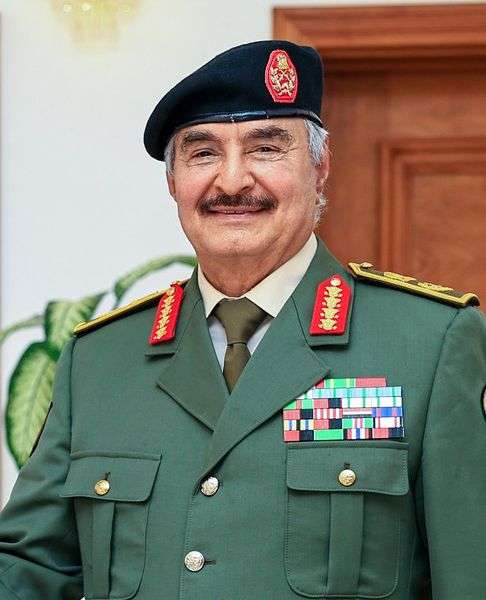
DEATH PENALTYAUGUST 23, 2026
Eastern Libya executes 10 convicted on terrorism charges

DEATH PENALTYAUGUST 21, 2026
Japan: man executed over killing 5 people
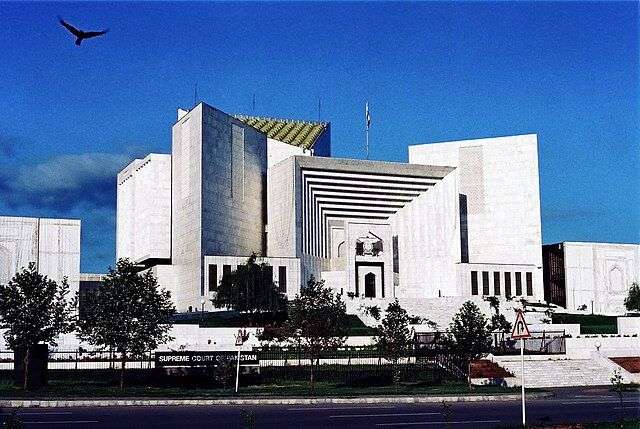
DEATH PENALTYAUGUST 15, 2026
Pakistan: SC upholds death sentence in ex-wife’s murder
DEATH PENALTYAUGUST 14, 2026