The death penalty has been in force in Botswana since the country became independent in 1966.
The death penalty has been in force in Botswana since the country became independent in 1966.
3 MIN READ
The death penalty has been in force in Botswana since the country became independent in 1966.
Botswana applies the death penalty for murder, treason, an attempt on the life of the head of state and the military offences of mutiny and desertion in the face of the enemy.
There have been 39 executions for capital crimes in Botswana between 1966 and 2006.
Official figures record 33 executions for capital crimes in Botswana between 1966 and 2000. Hands Off Cain counted 1 execution in 2001, none in 2002, 4 in 2003 and 1 in 2006. The number of women condemned to death was four. Three of these were executed and one had her death sentence commuted to a 20-year jail term.
The execution of South African national Marietta Bosch in 2001 sparked a big national and international debate on the death penalty in Botswana. Bosch, convicted of killing the wife of the man who then became her husband, was the first white person to be sentenced to death since Botswana's independence from Britain.
In 1995, an attempt was made to declare capital punishment unconstitutional, but regrettably the Court of Appeal held that it was constitutional.
In Botswana there is no effective legal representation for the poor. Lawyers employed by the state are paid six times less than private lawyers for a court appearance. Due to this, it is only young and inexperienced lawyers who do such work. Prison authorities behave in an unnecessarily cruel manner towards family members when carrying out death sentences. Family members asking permission to see their loved one, are told of "an inspection" only to learn the following Monday that the person has been executed. Family are not allowed to attend the burial of a condemned prisoner, nor to visit their graves once they are buried.
Executions cannot take place without a warrant signed by the president. Clemency has never been granted by a Botswana president.
Since Bosch’s hanging, Botswana has executed five citizens, including a black South African, Lehlohonolo Kobedi, convicted of murdering a police sergeant. The last execution was that of Modisane Ping, hanged for murder on April 1, 2006. At the time of his death Ping was the only inmate left on death row in the country.
On March 2, 2005 the African Commission on Human and Peoples’ Rights (ACHPR) called on Botswana to end its enforcement of "inhuman and degrading" corporal and capital punishment. The British government joined the ACHPR in criticising Botswana. David Merry, the British High Commissioner to Botswana, said his country and the European Union had been trying to persuade the government to end corporal punishment and the death penalty. Botswana has defended its position on both issues, saying this was the will of its citizens.
Botswana applies the death penalty for murder, treason, an attempt on the life of the head of state and the military offences of mutiny and desertion in the face of the enemy.
There have been 39 executions for capital crimes in Botswana between 1966 and 2006.
Official figures record 33 executions for capital crimes in Botswana between 1966 and 2000. Hands Off Cain counted 1 execution in 2001, none in 2002, 4 in 2003 and 1 in 2006. The number of women condemned to death was four. Three of these were executed and one had her death sentence commuted to a 20-year jail term.
The execution of South African national Marietta Bosch in 2001 sparked a big national and international debate on the death penalty in Botswana. Bosch, convicted of killing the wife of the man who then became her husband, was the first white person to be sentenced to death since Botswana's independence from Britain.
In 1995, an attempt was made to declare capital punishment unconstitutional, but regrettably the Court of Appeal held that it was constitutional.
In Botswana there is no effective legal representation for the poor. Lawyers employed by the state are paid six times less than private lawyers for a court appearance. Due to this, it is only young and inexperienced lawyers who do such work. Prison authorities behave in an unnecessarily cruel manner towards family members when carrying out death sentences. Family members asking permission to see their loved one, are told of "an inspection" only to learn the following Monday that the person has been executed. Family are not allowed to attend the burial of a condemned prisoner, nor to visit their graves once they are buried.
Executions cannot take place without a warrant signed by the president. Clemency has never been granted by a Botswana president.
Since Bosch’s hanging, Botswana has executed five citizens, including a black South African, Lehlohonolo Kobedi, convicted of murdering a police sergeant. The last execution was that of Modisane Ping, hanged for murder on April 1, 2006. At the time of his death Ping was the only inmate left on death row in the country.
On March 2, 2005 the African Commission on Human and Peoples’ Rights (ACHPR) called on Botswana to end its enforcement of "inhuman and degrading" corporal and capital punishment. The British government joined the ACHPR in criticising Botswana. David Merry, the British High Commissioner to Botswana, said his country and the European Union had been trying to persuade the government to end corporal punishment and the death penalty. Botswana has defended its position on both issues, saying this was the will of its citizens.
KEEP READING
ALL THE NEWS · DEATH PENALTY On the same front
DEATH PENALTYAUGUST 31, 2026
Pakistan: ASI sentenced to death for killing two brothers in Swabi
DEATH PENALTYAUGUST 30, 2026
Pakistan: Man sentenced to death, brother gets life term for double murder in 2021
DEATH PENALTYAUGUST 23, 2026
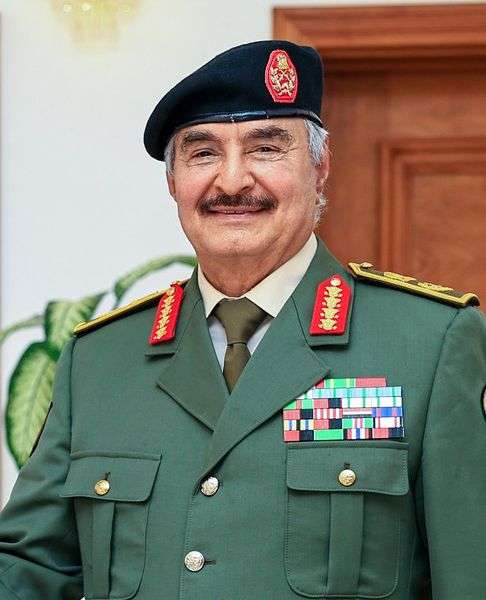
Eastern Libya executes 10 convicted on terrorism charges
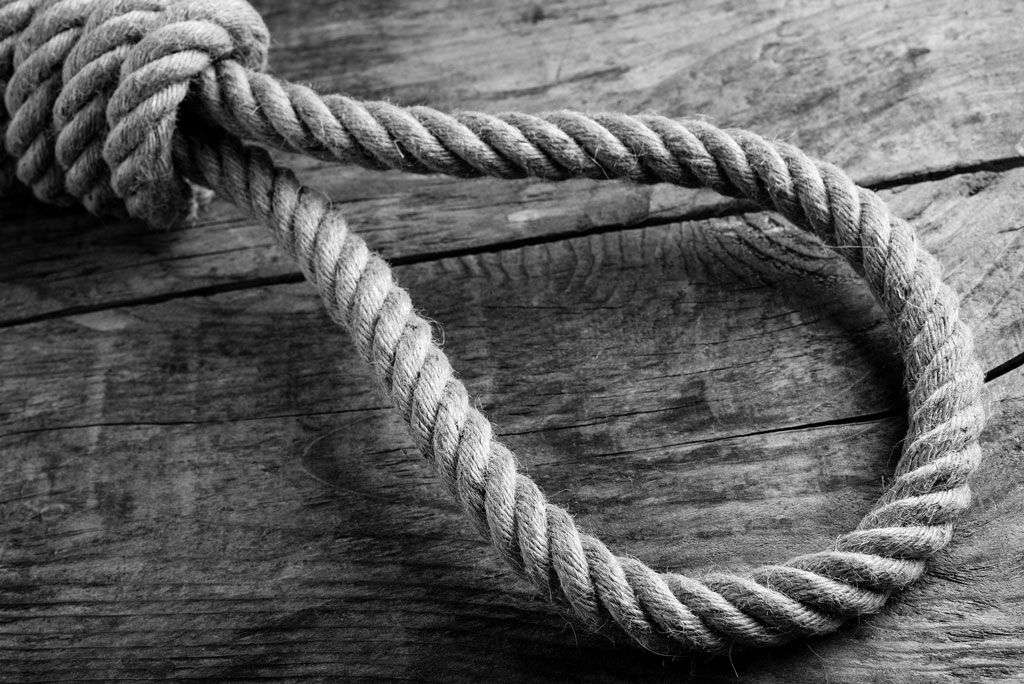
DEATH PENALTYAUGUST 21, 2026
Japan: man executed over killing 5 people
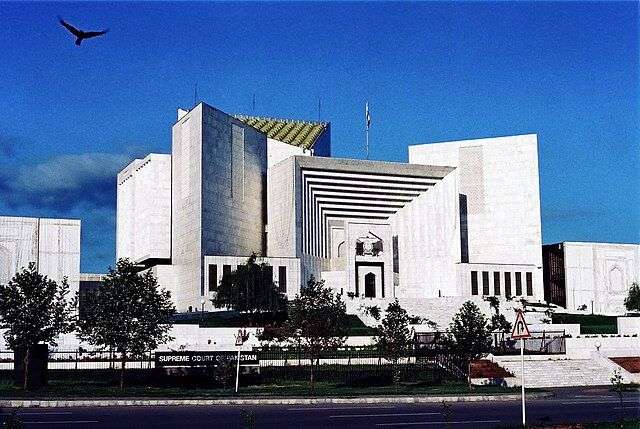
DEATH PENALTYAUGUST 15, 2026
Pakistan: SC upholds death sentence in ex-wife’s murder
DEATH PENALTYAUGUST 14, 2026