
The death penalty is mandatory for murder. Treason and piracy are also capital crimes.
The death penalty is mandatory for murder. Treason and piracy are also capital crimes.
4 MIN READ
The death penalty is mandatory for murder. Treason and piracy are also capital crimes.
The Bahamas is a British Independent Territory for which the Judicial Committee of the Privy Council (JCPC) remains the final court of appeal. The United Kingdom has urged its former colonies to abolish capital punishment and human rights groups have added their voices. But residents of the Bahamas and many Caribbean nations support the death penalty as a deterrent to rising crime.
The Bahamas has hanged 50 men since 1929, according to prison records. Five of them were hanged under the Ingraham administration; 13 were hanged under the 25-year rule of the Pindling government; and the remainder was executed between 1929 and 1967.
The resumption of hanging in March 1996, after a moratorium of almost 12 years, appears to have done little to curb murders in the Bahamas. In 1999 a record 65 people were murdered.
Since the 1993 Pratt and Morgan ruling by the Privy Council, the death penalty can not be carried out if the prisoner concerned has been under sentence of death for more than five years, in which case the sentence is automatically commuted to life imprisonment.
On March 11, 2002, the Judicial Committee of the Privy Council confirmed the April 2001 decision of the Eastern Caribbean Court of Appeal (ECCA) ruling that the mandatory death penalty was unconstitutional, and unanimously struck down the mandatory death penalty for murder. The JCPC made one modification to the ECCA's ruling, saying that sentences should be set by a judge and not a jury. All death row cases in these countries had to be reviewed. The ruling could influence other Caribbean countries that retained the right of appeal to the Privy Council, including the Bahamas.
On March 8, 2006, the mandatory death penalty in the Bahamas was abolished by the five British law lords when they held it to be a breach of international human rights. In a significant ruling the Judicial Committee of the Privy Council struck down the mandatory death sentence imposed in two test appeals as a breach of the constitution. The challenge was brought by Forrester Bowe Jr, who was convicted of the murder of Deon Roache in 1998 and sentenced to death; and Trono Davis, convicted of the murder of Jerrad Ferguson in December 1999 and sentenced to death. Lord Bingham of Cornhill, the senior law lord, said that, as early as 1973, the mandatory death penalty should have been regarded as inhuman and degrading punishment. Since 1973 16 people had been executed in the Bahamas. If the judge had had a discretion — as argued by counsel for the appellants, Edward Fitzgerald, QC, of Doughty Street — then they would probably not have been executed. Keir Starmer, QC, of Doughty Street, said: “This case ... marks a new dawn for human rights in the region.”
A particularly important case was that concerning David Mitchell and John Higgs, both of which were sentenced to death. In 1999 the Privy Council rejected their appeals, but two of five judges dissented. Lord Steyn and Lord Cook affirmed that because of their inhuman conditions of detention, Mitchell and Higgs should not be executed.
Mitchell was hanged on January 6, 2000 at the main Fox Hill prison in the capital Nassau, despite the victims’ son also appealing for clemency for him, and a pending petition with the Inter-American Commission on Human Rights. Mitchell’s was the last execution in the Bahamas. Higgs, scheduled to be hanged at a minute’s interval from Mitchell, committed suicide whilst on suicide watch hours before the hanging.
The Bahamas was one of the eleven states that signed an agreement in 2001 to establish the Caribbean Court of Justice (CCJ) to replace the Privy Council as the region’s final court of appeal. The country will, however, have to hold a special referendum to be able to change over to the CCJ.
Caribbean countries view the CCJ as the means to throw off the last vestiges of colonialism, but human rights groups have warned that the Court may be a hanging court.
The Caribbean Court of Justice was inaugurated in Trinidad on April 16, 2005.
On December 18, 2007 the Bahamas voted against the Resolution on a Moratorium on the Use of the Death Penalty at the UN General Assembly.
The Bahamas is a British Independent Territory for which the Judicial Committee of the Privy Council (JCPC) remains the final court of appeal. The United Kingdom has urged its former colonies to abolish capital punishment and human rights groups have added their voices. But residents of the Bahamas and many Caribbean nations support the death penalty as a deterrent to rising crime.
The Bahamas has hanged 50 men since 1929, according to prison records. Five of them were hanged under the Ingraham administration; 13 were hanged under the 25-year rule of the Pindling government; and the remainder was executed between 1929 and 1967.
The resumption of hanging in March 1996, after a moratorium of almost 12 years, appears to have done little to curb murders in the Bahamas. In 1999 a record 65 people were murdered.
Since the 1993 Pratt and Morgan ruling by the Privy Council, the death penalty can not be carried out if the prisoner concerned has been under sentence of death for more than five years, in which case the sentence is automatically commuted to life imprisonment.
On March 11, 2002, the Judicial Committee of the Privy Council confirmed the April 2001 decision of the Eastern Caribbean Court of Appeal (ECCA) ruling that the mandatory death penalty was unconstitutional, and unanimously struck down the mandatory death penalty for murder. The JCPC made one modification to the ECCA's ruling, saying that sentences should be set by a judge and not a jury. All death row cases in these countries had to be reviewed. The ruling could influence other Caribbean countries that retained the right of appeal to the Privy Council, including the Bahamas.
On March 8, 2006, the mandatory death penalty in the Bahamas was abolished by the five British law lords when they held it to be a breach of international human rights. In a significant ruling the Judicial Committee of the Privy Council struck down the mandatory death sentence imposed in two test appeals as a breach of the constitution. The challenge was brought by Forrester Bowe Jr, who was convicted of the murder of Deon Roache in 1998 and sentenced to death; and Trono Davis, convicted of the murder of Jerrad Ferguson in December 1999 and sentenced to death. Lord Bingham of Cornhill, the senior law lord, said that, as early as 1973, the mandatory death penalty should have been regarded as inhuman and degrading punishment. Since 1973 16 people had been executed in the Bahamas. If the judge had had a discretion — as argued by counsel for the appellants, Edward Fitzgerald, QC, of Doughty Street — then they would probably not have been executed. Keir Starmer, QC, of Doughty Street, said: “This case ... marks a new dawn for human rights in the region.”
A particularly important case was that concerning David Mitchell and John Higgs, both of which were sentenced to death. In 1999 the Privy Council rejected their appeals, but two of five judges dissented. Lord Steyn and Lord Cook affirmed that because of their inhuman conditions of detention, Mitchell and Higgs should not be executed.
Mitchell was hanged on January 6, 2000 at the main Fox Hill prison in the capital Nassau, despite the victims’ son also appealing for clemency for him, and a pending petition with the Inter-American Commission on Human Rights. Mitchell’s was the last execution in the Bahamas. Higgs, scheduled to be hanged at a minute’s interval from Mitchell, committed suicide whilst on suicide watch hours before the hanging.
The Bahamas was one of the eleven states that signed an agreement in 2001 to establish the Caribbean Court of Justice (CCJ) to replace the Privy Council as the region’s final court of appeal. The country will, however, have to hold a special referendum to be able to change over to the CCJ.
Caribbean countries view the CCJ as the means to throw off the last vestiges of colonialism, but human rights groups have warned that the Court may be a hanging court.
The Caribbean Court of Justice was inaugurated in Trinidad on April 16, 2005.
On December 18, 2007 the Bahamas voted against the Resolution on a Moratorium on the Use of the Death Penalty at the UN General Assembly.
KEEP READING
ALL THE NEWS · DEATH PENALTY On the same front
DEATH PENALTYAUGUST 31, 2026
Pakistan: ASI sentenced to death for killing two brothers in Swabi
DEATH PENALTYAUGUST 30, 2026
Pakistan: Man sentenced to death, brother gets life term for double murder in 2021
DEATH PENALTYAUGUST 23, 2026
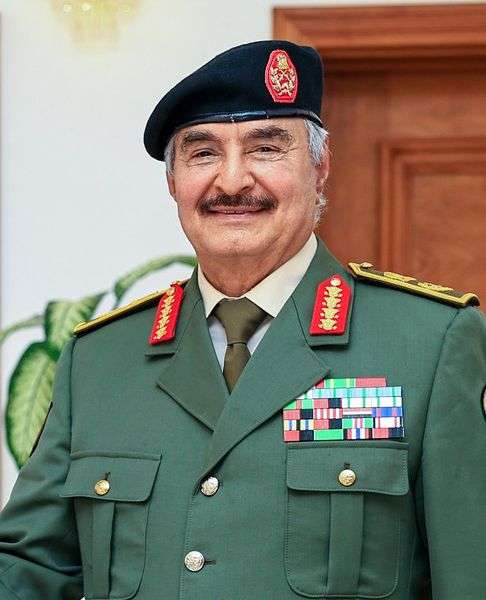
Eastern Libya executes 10 convicted on terrorism charges
DEATH PENALTYAUGUST 21, 2026
Japan: man executed over killing 5 people
DEATH PENALTYAUGUST 15, 2026
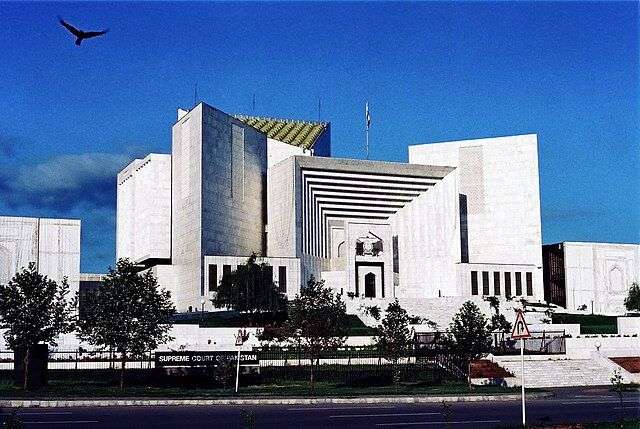
Pakistan: SC upholds death sentence in ex-wife’s murder

DEATH PENALTYAUGUST 14, 2026