
The offences for which capital punishment either can or must be applied are murder...
The offences for which capital punishment either can or must be applied are murder...
2 MIN READ
The offences for which capital punishment either can or must be applied are murder, rape, treason, armed robbery and burglary with aggravating circumstances.
Records show that from 1972 to 1993 during Kamuzu Banda's dictatorship a total of 823 were sentenced to death. Out of the 823 convicts, 299 were executed and the remaining ones either died in prison or were pardoned. Following Banda, Bakili Muluzi won the first multiparty election in 1994. He was credited for improving Malawi’s human rights record and had pledged to never sign a death warrant. His successor, Bingu wa Mutharika - endorsed by Muluzi and in power since May 2004 - has not changed the practice.
On July 23, 1997, Muluzi had commuted all death sentences to life imprisonment. On April 9, 2004 he commuted the death sentences of 79 prisoners and freed 320 others in a gesture to coincide with Easter. Around 20 prisoners remained on death row, including Malawian opposition lawmaker Nasser Kara, convicted earlier in 2004 on a charge of murder. Malawi's prisons are congested and a high court judge once described their conditions as "hell on earth."
On April 27, 2007, the Constitutional Court declared that mandatory death sentences were unconstitutional, inhumane and a degradation to human dignity.
The court was ruling in a case where a murder convict Francis Kanfantayeni and five others were challenging the constitutionality of the death penalty. “We declare that Section 210 of the Penal Code is invalid to the extent of mandatory death penalty following a murder offence,” said the unanimous judgement.
“The mandatory death penalty violates an individual’s right that protects one from inhuman treatment or punishment and denies them a right to fair trial and have the sentence reviewed by a higher tribunal.”
At least 22 people were sentenced to death in 2002. The last person to be executed was hanged on September 26, 1992 at Zomba Central Prison by an executioner from South Africa.
In 2010, under the Universal Periodic Review process by the UN Human Rights Council, Malawi rejected those recommendations calling for a de jure moratorium on the death penalty with a view to its final abolition.
On December 18, 2014, Malawi, as in previous years, abstained on the Resolution on a Moratorium on the Use of the Death Penalty at the UN General Assembly.
Records show that from 1972 to 1993 during Kamuzu Banda's dictatorship a total of 823 were sentenced to death. Out of the 823 convicts, 299 were executed and the remaining ones either died in prison or were pardoned. Following Banda, Bakili Muluzi won the first multiparty election in 1994. He was credited for improving Malawi’s human rights record and had pledged to never sign a death warrant. His successor, Bingu wa Mutharika - endorsed by Muluzi and in power since May 2004 - has not changed the practice.
On July 23, 1997, Muluzi had commuted all death sentences to life imprisonment. On April 9, 2004 he commuted the death sentences of 79 prisoners and freed 320 others in a gesture to coincide with Easter. Around 20 prisoners remained on death row, including Malawian opposition lawmaker Nasser Kara, convicted earlier in 2004 on a charge of murder. Malawi's prisons are congested and a high court judge once described their conditions as "hell on earth."
On April 27, 2007, the Constitutional Court declared that mandatory death sentences were unconstitutional, inhumane and a degradation to human dignity.
The court was ruling in a case where a murder convict Francis Kanfantayeni and five others were challenging the constitutionality of the death penalty. “We declare that Section 210 of the Penal Code is invalid to the extent of mandatory death penalty following a murder offence,” said the unanimous judgement.
“The mandatory death penalty violates an individual’s right that protects one from inhuman treatment or punishment and denies them a right to fair trial and have the sentence reviewed by a higher tribunal.”
At least 22 people were sentenced to death in 2002. The last person to be executed was hanged on September 26, 1992 at Zomba Central Prison by an executioner from South Africa.
In 2010, under the Universal Periodic Review process by the UN Human Rights Council, Malawi rejected those recommendations calling for a de jure moratorium on the death penalty with a view to its final abolition.
On December 18, 2014, Malawi, as in previous years, abstained on the Resolution on a Moratorium on the Use of the Death Penalty at the UN General Assembly.
KEEP READING
ALL THE NEWS · DEATH PENALTY On the same front
DEATH PENALTYAUGUST 31, 2026
Pakistan: ASI sentenced to death for killing two brothers in Swabi

DEATH PENALTYAUGUST 30, 2026
Pakistan: Man sentenced to death, brother gets life term for double murder in 2021
DEATH PENALTYAUGUST 23, 2026
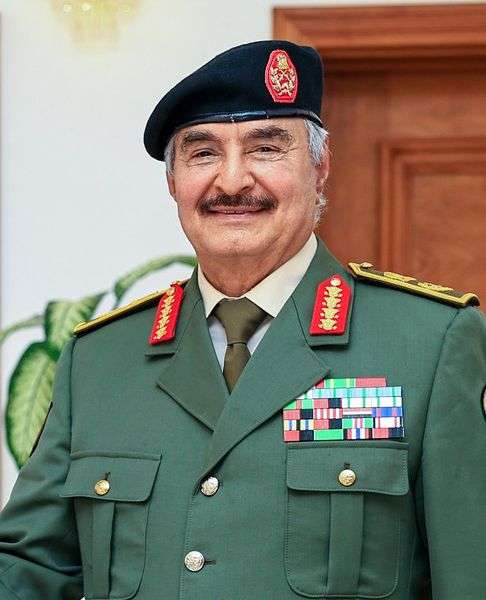
Eastern Libya executes 10 convicted on terrorism charges
DEATH PENALTYAUGUST 21, 2026
Japan: man executed over killing 5 people
DEATH PENALTYAUGUST 15, 2026
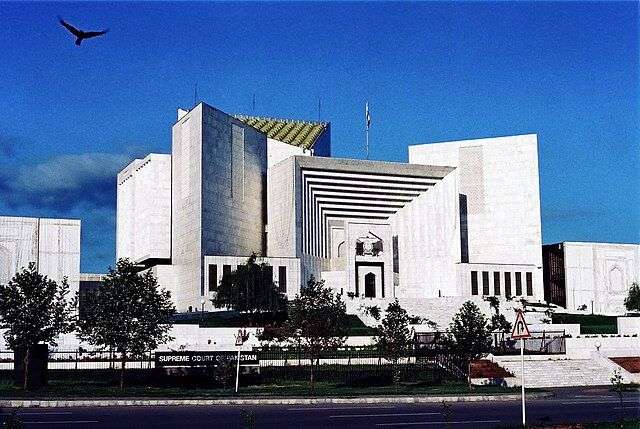
Pakistan: SC upholds death sentence in ex-wife’s murder
DEATH PENALTYAUGUST 14, 2026