
The offences for which capital punishment either can or must be applied are murder...
The offences for which capital punishment either can or must be applied are murder...
4 MIN READ
The
offences for which capital punishment either can or must be applied are murder,
rape, treason, armed robbery and burglary with aggravating circumstances.
Records show that from 1972 to 1993 during Kamuzu Banda's dictatorship a total of 823 were sentenced to death. Out of the 823 convicts, 299 were executed and the remaining ones either died in prison or were pardoned. Following Banda, Bakili Muluzi won the first multiparty election in 1994.
In 1994, Bakili Muluzi won the first multiparty election. He was credited for improving Malawi’s human rights record and had pledged to never sign a death warrant throughout his tenure, which lasted until May 2004. His successors, until now, have not changed attitude on the death penalty.
In April 2007, the Malawi High Court in the case of Francis Kafantayeni and Others v. Attorney General abolished the mandatory death sentence in Malawi. The sentences of all prisoners on death row were vacated and the defendants remitted for sentence. In 2011, Malawi approved amendments to the Penal Code allowing courts discretion in sentencing murder suspects.
In 2011, Malawi amended the Penal Code to allow courts wide discretion in condemning the murder suspects.
After many years of delay, finally, in February 2015, the Malawi High Courts began holding resentencing hearings on cases of the 191 prisoners entitled to be re-sentenced following the 2007 High Court ruling. As of 31 December 2015, the courts had heard 64 cases, of which 63 were re-sentenced. Fifty-one of the completed cases resulted in immediate release of prisoners, while 12 death sentences were commuted to terms of imprisonment. None received life sentences or new death sentences.
On 12 November 2015, speaking at a workshop organised by the European Union, the United Nations (UN) and the Malawi Human Rights Commission (MHRC) to solicit views on the death penalty, the Minister of Justice and Constitutional Affairs, Samuel Tembenu, assured the EU, UN and MHRC that government was working towards the abolition of the death penalty.
According to information received from the government of Malawi, three men – Dickson Elia, Misheck Chigona and Paul Bisiwick Maulana – were sentenced to death for murder in 2015, reported Amnesty International.
On 18 August 2015, 23-year-old Dickson Elia was sentenced to death by the high court sitting in Dedza after being found guilty of killing Umbwi Secondary School teacher, his wife and a 6- month-old baby in October 2013.
In November 2016, Hands off Cain carried out a mission to Malawi in order to call for a vote in favor of the UNGA Resolution pro-moratorium, in the framework of a project supported by the Italian Minister for Foreign Affairs. The delegation headed by Antonio Stango (member of the Board of Hands Off Cain and President of the Italian League for Human Rights), and whose members include Eleonora Mongelli, Yuliya Vassilyeva and Raphaël Chenuil-Hazan (Vice President of the World Coalition against the Death Penalty) met in the capital of Malawi the Minister of Foreign Affairs and International Cooperation, Francis Lazalo Kasaila, and the Minister of Justice and Constitutional Affairs, Samuel Tembenu. The Foreign Minister announced that Malawi, which had abstained in previous votes, this year will vote in favor of the moratorium. As it was noticed in both meetings, Malawi, which since 1993 has observed a de facto moratorium on executions, may perform in the near future other significant steps towards abolition. However, to this end a gradually growing consensus among the population will be necessary. The Foreign Minister noted that it would be important to develop, with the help of organizations such as Hands Off Cain, information programs involving the civil society. The Minister for Foreign Affairs announced the vote in favor of the Resolution.
United Nations
On 5 May 2015, Malawi was reviewed under the Universal Periodic Review of the UN Human Rights Council. The recommendations to continue the moratorium on the death penalty were examined by Malawi and enjoyed its support, while those to abolish the death penalty and to ratify the Second Optional Protocol to the ICCPR were rejected.
On 19 December 2016, Malawi, for the first time, voted in favor of the Resolution on a Moratorium on the Use of the Death Penalty at the UN General Assembly. It previously, abstained.
Records show that from 1972 to 1993 during Kamuzu Banda's dictatorship a total of 823 were sentenced to death. Out of the 823 convicts, 299 were executed and the remaining ones either died in prison or were pardoned. Following Banda, Bakili Muluzi won the first multiparty election in 1994.
In 1994, Bakili Muluzi won the first multiparty election. He was credited for improving Malawi’s human rights record and had pledged to never sign a death warrant throughout his tenure, which lasted until May 2004. His successors, until now, have not changed attitude on the death penalty.
In April 2007, the Malawi High Court in the case of Francis Kafantayeni and Others v. Attorney General abolished the mandatory death sentence in Malawi. The sentences of all prisoners on death row were vacated and the defendants remitted for sentence. In 2011, Malawi approved amendments to the Penal Code allowing courts discretion in sentencing murder suspects.
In 2011, Malawi amended the Penal Code to allow courts wide discretion in condemning the murder suspects.
After many years of delay, finally, in February 2015, the Malawi High Courts began holding resentencing hearings on cases of the 191 prisoners entitled to be re-sentenced following the 2007 High Court ruling. As of 31 December 2015, the courts had heard 64 cases, of which 63 were re-sentenced. Fifty-one of the completed cases resulted in immediate release of prisoners, while 12 death sentences were commuted to terms of imprisonment. None received life sentences or new death sentences.
On 12 November 2015, speaking at a workshop organised by the European Union, the United Nations (UN) and the Malawi Human Rights Commission (MHRC) to solicit views on the death penalty, the Minister of Justice and Constitutional Affairs, Samuel Tembenu, assured the EU, UN and MHRC that government was working towards the abolition of the death penalty.
According to information received from the government of Malawi, three men – Dickson Elia, Misheck Chigona and Paul Bisiwick Maulana – were sentenced to death for murder in 2015, reported Amnesty International.
On 18 August 2015, 23-year-old Dickson Elia was sentenced to death by the high court sitting in Dedza after being found guilty of killing Umbwi Secondary School teacher, his wife and a 6- month-old baby in October 2013.
In November 2016, Hands off Cain carried out a mission to Malawi in order to call for a vote in favor of the UNGA Resolution pro-moratorium, in the framework of a project supported by the Italian Minister for Foreign Affairs. The delegation headed by Antonio Stango (member of the Board of Hands Off Cain and President of the Italian League for Human Rights), and whose members include Eleonora Mongelli, Yuliya Vassilyeva and Raphaël Chenuil-Hazan (Vice President of the World Coalition against the Death Penalty) met in the capital of Malawi the Minister of Foreign Affairs and International Cooperation, Francis Lazalo Kasaila, and the Minister of Justice and Constitutional Affairs, Samuel Tembenu. The Foreign Minister announced that Malawi, which had abstained in previous votes, this year will vote in favor of the moratorium. As it was noticed in both meetings, Malawi, which since 1993 has observed a de facto moratorium on executions, may perform in the near future other significant steps towards abolition. However, to this end a gradually growing consensus among the population will be necessary. The Foreign Minister noted that it would be important to develop, with the help of organizations such as Hands Off Cain, information programs involving the civil society. The Minister for Foreign Affairs announced the vote in favor of the Resolution.
United Nations
On 5 May 2015, Malawi was reviewed under the Universal Periodic Review of the UN Human Rights Council. The recommendations to continue the moratorium on the death penalty were examined by Malawi and enjoyed its support, while those to abolish the death penalty and to ratify the Second Optional Protocol to the ICCPR were rejected.
On 19 December 2016, Malawi, for the first time, voted in favor of the Resolution on a Moratorium on the Use of the Death Penalty at the UN General Assembly. It previously, abstained.
KEEP READING
ALL THE NEWS · DEATH PENALTY On the same front

DEATH PENALTYAUGUST 31, 2026
Pakistan: ASI sentenced to death for killing two brothers in Swabi

DEATH PENALTYAUGUST 30, 2026
Pakistan: Man sentenced to death, brother gets life term for double murder in 2021
DEATH PENALTYAUGUST 23, 2026
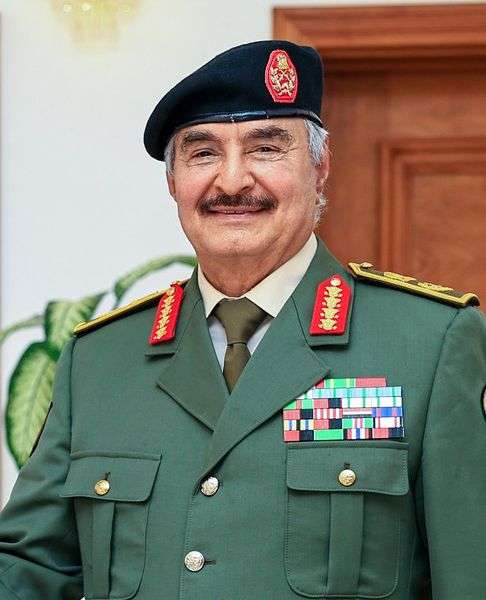
Eastern Libya executes 10 convicted on terrorism charges

DEATH PENALTYAUGUST 21, 2026
Japan: man executed over killing 5 people
DEATH PENALTYAUGUST 15, 2026
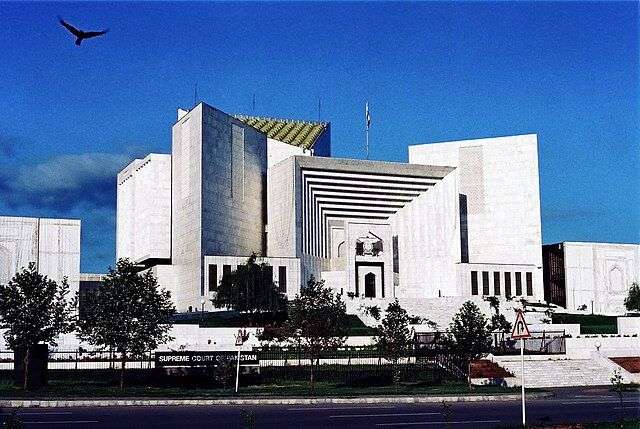
Pakistan: SC upholds death sentence in ex-wife’s murder
DEATH PENALTYAUGUST 14, 2026