
The Republic of South Sudan gained independence from Sudan on 9 July 2011
The Republic of South Sudan gained independence from Sudan on 9 July 2011
5 MIN READ
The Republic of South Sudan gained independence from Sudan on 9 July 2011, following a January referendum under the terms of the 2005 Comprehensive Peace Agreement (CPA) that ended Africa’s longest-running civil war. The agreement also provided for a referendum in the south on independence in 2011, in which 99% of southern Sudanese voted to split from Sudan.
Formed from the 10 southern-most States of Sudan, South Sudan is highly diverse ethnically and linguistically. Unlike the predominantly Muslim population of Sudan, the South Sudanese follow traditional religions, while a minority are Christians. Under the Penal Code Act, 2008 (pre-independence), the death penalty in South Sudan is provided for treason; insurgency, banditry, sabotage or terrorism resulting in death; perjury in a capital case leading to wrongful execution; murder; attempted murder causing injury by a person sentenced to life for a previous murder; brigandage with murder; and drug dealing under aggravated circumstances.
People who in the opinion of the Court are under 18 years of age cannot be sentenced to death, neither can people who in the opinion of the Court are over the age of 70.
Under South Sudanese law the Supreme Court has to review and confirm all death sentences and the President must approve all executions before they take place.
South Sudan’s 2008 Code of Criminal Procedure provides that execution is by hanging.
Anyone convicted of murder may be sentenced to death or life imprisonment, but there is a third alternative. He or she may be fined, and imprisoned for a shorter time, if the nearest relative of the deceased opts for the traditional “blood money”.
The death penalty is also provided by the Transitional Constitution adopted on 9 July 2011.
According to the Office of the UN High Commissioner for Human Rights (OHCHR), the overwhelming majority of individuals in prison in South Sudan do not have legal representation or the right to free legal aid in serious criminal, civil, land and family matters. An estimated 95 percent of prisoners in the country, according to South Sudan’s Justice Ministry, go through the criminal justice system without legal aid.
In January 2012, President Salva Kiir Mayardit established a constitutional review commission with the mandate to develop a permanent Constitution. The death penalty has already surfaced as a contentious issue in this process, as it did during the drafting of the 2005 Interim Constitution and the 2011 Transitional Constitution. The President is said to be extremely uncomfortable signing death warrants.
Meanwhile, voices against the death penalty are already emerging in South Sudan. Many South Sudanese are Christian and oppose the death penalty on religious grounds. Others contend that the death penalty, introduced under British colonial rule, is incompatible with the customs and traditions of the people of South Sudan. Under the customary laws of most communities, people found guilty of murder must pay compensation to the family of the deceased, a remedy designed to restore relationships rather than to exact retribution by taking away the wrongdoer’s life.
In 2017, South Sudan imposed at least 16 death sentences and executed 4 people, according to Amnesty International. Two of them were juveniles at the time of the commission of the crime.
In 2016, Hands off Cain recorded at least 4 executions.
Amnesty International recorded at least five executions and at least 17 death sentences in 2015.
It could not be confirmed if judicial executions took place in South Sudan in 2014, while in 2013, there were at least 4 executions and at least 19 death sentences. In 2012, South Sudan hanged at least 5 people.
The Government, however, does not publicly disclose information about death sentences or judicial executions. The actual number of individuals executed is likely higher.
By the end of 2015, at least 305 people were being held on three death rows, located at Juba Prison (Central Equatoria State), Wau Prison (Western Bahr el Ghazal State) and Malakal Prison (Upper Nile State).
United Nations
On 28 September 2012, Riek Puok Riek, South Sudan’s permanent representative in Geneva told the UN Human Rights Council that “South Sudan agrees with... the logic of abolishing the death penalty. But we believe that this is a process that could be approached gradually.”
On 7 November 2016, South Sudan was reviewed under the Universal Periodic Review of the UN Human Rights Council. The Government said the abolition of the death penalty seemed to be some way off, because of tribal custom and customary law, and progress towards that goal had to be gradual for that reason. In March 2017, it accepted reccomendations by the Holly See to continue efforts to improve conditions of detention and abolish the death penalty, with a view to commuting all death sentences.
On 19 December 2016, South Sudan voted against the Resolution on a Moratorium on the Use of the Death Penalty at the UN General Assembly. It voted in favor in 2014 and in 2012.
On 17 December 2018, South Sudan abstained on the Resolution on a Moratorium on the Use of the Death Penalty at the UN General Assembly.
Formed from the 10 southern-most States of Sudan, South Sudan is highly diverse ethnically and linguistically. Unlike the predominantly Muslim population of Sudan, the South Sudanese follow traditional religions, while a minority are Christians. Under the Penal Code Act, 2008 (pre-independence), the death penalty in South Sudan is provided for treason; insurgency, banditry, sabotage or terrorism resulting in death; perjury in a capital case leading to wrongful execution; murder; attempted murder causing injury by a person sentenced to life for a previous murder; brigandage with murder; and drug dealing under aggravated circumstances.
People who in the opinion of the Court are under 18 years of age cannot be sentenced to death, neither can people who in the opinion of the Court are over the age of 70.
Under South Sudanese law the Supreme Court has to review and confirm all death sentences and the President must approve all executions before they take place.
South Sudan’s 2008 Code of Criminal Procedure provides that execution is by hanging.
Anyone convicted of murder may be sentenced to death or life imprisonment, but there is a third alternative. He or she may be fined, and imprisoned for a shorter time, if the nearest relative of the deceased opts for the traditional “blood money”.
The death penalty is also provided by the Transitional Constitution adopted on 9 July 2011.
According to the Office of the UN High Commissioner for Human Rights (OHCHR), the overwhelming majority of individuals in prison in South Sudan do not have legal representation or the right to free legal aid in serious criminal, civil, land and family matters. An estimated 95 percent of prisoners in the country, according to South Sudan’s Justice Ministry, go through the criminal justice system without legal aid.
In January 2012, President Salva Kiir Mayardit established a constitutional review commission with the mandate to develop a permanent Constitution. The death penalty has already surfaced as a contentious issue in this process, as it did during the drafting of the 2005 Interim Constitution and the 2011 Transitional Constitution. The President is said to be extremely uncomfortable signing death warrants.
Meanwhile, voices against the death penalty are already emerging in South Sudan. Many South Sudanese are Christian and oppose the death penalty on religious grounds. Others contend that the death penalty, introduced under British colonial rule, is incompatible with the customs and traditions of the people of South Sudan. Under the customary laws of most communities, people found guilty of murder must pay compensation to the family of the deceased, a remedy designed to restore relationships rather than to exact retribution by taking away the wrongdoer’s life.
In 2017, South Sudan imposed at least 16 death sentences and executed 4 people, according to Amnesty International. Two of them were juveniles at the time of the commission of the crime.
In 2016, Hands off Cain recorded at least 4 executions.
Amnesty International recorded at least five executions and at least 17 death sentences in 2015.
It could not be confirmed if judicial executions took place in South Sudan in 2014, while in 2013, there were at least 4 executions and at least 19 death sentences. In 2012, South Sudan hanged at least 5 people.
The Government, however, does not publicly disclose information about death sentences or judicial executions. The actual number of individuals executed is likely higher.
By the end of 2015, at least 305 people were being held on three death rows, located at Juba Prison (Central Equatoria State), Wau Prison (Western Bahr el Ghazal State) and Malakal Prison (Upper Nile State).
United Nations
On 28 September 2012, Riek Puok Riek, South Sudan’s permanent representative in Geneva told the UN Human Rights Council that “South Sudan agrees with... the logic of abolishing the death penalty. But we believe that this is a process that could be approached gradually.”
On 7 November 2016, South Sudan was reviewed under the Universal Periodic Review of the UN Human Rights Council. The Government said the abolition of the death penalty seemed to be some way off, because of tribal custom and customary law, and progress towards that goal had to be gradual for that reason. In March 2017, it accepted reccomendations by the Holly See to continue efforts to improve conditions of detention and abolish the death penalty, with a view to commuting all death sentences.
On 19 December 2016, South Sudan voted against the Resolution on a Moratorium on the Use of the Death Penalty at the UN General Assembly. It voted in favor in 2014 and in 2012.
On 17 December 2018, South Sudan abstained on the Resolution on a Moratorium on the Use of the Death Penalty at the UN General Assembly.
KEEP READING
ALL THE NEWS · DEATH PENALTY On the same front
DEATH PENALTYAUGUST 31, 2026
Pakistan: ASI sentenced to death for killing two brothers in Swabi
DEATH PENALTYAUGUST 30, 2026
Pakistan: Man sentenced to death, brother gets life term for double murder in 2021
DEATH PENALTYAUGUST 23, 2026
Eastern Libya executes 10 convicted on terrorism charges
DEATH PENALTYAUGUST 21, 2026
Japan: man executed over killing 5 people
DEATH PENALTYAUGUST 15, 2026
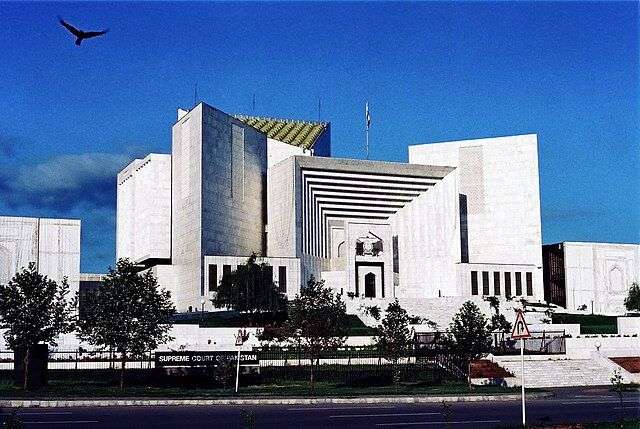
Pakistan: SC upholds death sentence in ex-wife’s murder
DEATH PENALTYAUGUST 14, 2026