
The Vatican formally abolished the death penalty from its constitution in 2001.
The Vatican formally abolished the death penalty from its constitution in 2001.
1 MIN READ
Vatican use of the death penalty persisted into the 19th century, under Pope Pius IX; although on the books, neither the death penalty nor life imprisonment had been imposed after Vatican City became an internationally recognised sovereign state in 1929.
Pope Paul VI formally banned the use of the death penalty in Vatican City State in 1969.
Pope John Paul II declared the Church’s near total opposition to the death penalty. In his encyclical “Evangelium Vitae” (The Gospel of Life) issued in March 1995, he wrote that execution is only appropriate “in cases of absolute necessity: in other words, when it would not be possible otherwise to defend society. Today however, as a result of steady improvements in the organization of the penal system, such cases are very rare, if not practically non-existent.”
The revised Vatican constitution that took effect on 22 February 2001 removed the death penalty from the text of the Fundamental Law, equivalent to a constitution, which dates back to the 1929 creation of the modern Vatican City State.
On 11 July 2013, Pope Francis approved a major updating of the criminal laws of Vatican City State. The changes include the abolition of life imprisonment. The maximum penalty under the new Vatican code is 35 years. In October 2014, Pope Francis called life sentences “a death penalty in disguise” that should be abolished along with capital punishment. In the wide-ranging address to delegates from the International Association of Penal Law, Francis added that keeping inmates isolated in maximum security prisons is “a form of torture.”
Pope Paul VI formally banned the use of the death penalty in Vatican City State in 1969.
Pope John Paul II declared the Church’s near total opposition to the death penalty. In his encyclical “Evangelium Vitae” (The Gospel of Life) issued in March 1995, he wrote that execution is only appropriate “in cases of absolute necessity: in other words, when it would not be possible otherwise to defend society. Today however, as a result of steady improvements in the organization of the penal system, such cases are very rare, if not practically non-existent.”
The revised Vatican constitution that took effect on 22 February 2001 removed the death penalty from the text of the Fundamental Law, equivalent to a constitution, which dates back to the 1929 creation of the modern Vatican City State.
On 11 July 2013, Pope Francis approved a major updating of the criminal laws of Vatican City State. The changes include the abolition of life imprisonment. The maximum penalty under the new Vatican code is 35 years. In October 2014, Pope Francis called life sentences “a death penalty in disguise” that should be abolished along with capital punishment. In the wide-ranging address to delegates from the International Association of Penal Law, Francis added that keeping inmates isolated in maximum security prisons is “a form of torture.”
KEEP READING
ALL THE NEWS · DEATH PENALTY On the same front
DEATH PENALTYAUGUST 31, 2026
Pakistan: ASI sentenced to death for killing two brothers in Swabi

DEATH PENALTYAUGUST 30, 2026
Pakistan: Man sentenced to death, brother gets life term for double murder in 2021
DEATH PENALTYAUGUST 23, 2026
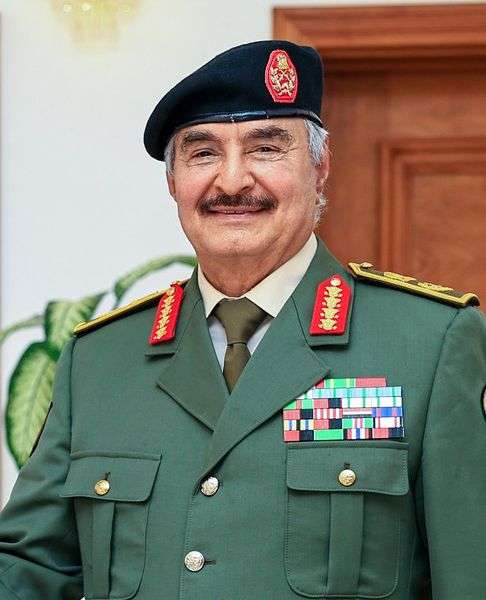
Eastern Libya executes 10 convicted on terrorism charges

DEATH PENALTYAUGUST 21, 2026
Japan: man executed over killing 5 people
DEATH PENALTYAUGUST 15, 2026
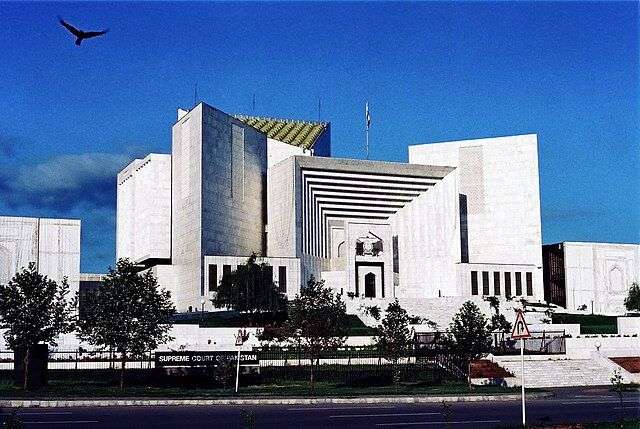
Pakistan: SC upholds death sentence in ex-wife’s murder

DEATH PENALTYAUGUST 14, 2026