
The Zambian penal code, section 43, foresees that the death penalty...
The Zambian penal code, section 43, foresees that the death penalty...
5 MIN READ
The Zambian penal code, section 43, foresees that the death penalty be enforced in cases regarding high treason, murder and armed robbery.
Zambia has not executed anyone since 1997, owing to a presidential moratorium on executions that has been upheld by three consecutive heads of State, Levy Mwanawasa, Rupiah Banda, and Michael Sata, who each personally opposed the death penalty.
President Mwanawasa, a Christian Baptist of abolitionist leanings, from his election in 2001 until his death in August 2008, refused to sign orders of execution, commuting hundreds of death sentences. “People can’t be sent to the butcher like they were chickens, and as long as I’m President, I will not sign any orders of execution. I don’t want to be the executioner’s boss,” Mwanawasa said.
His successor, Rupiah Bwezani Banda, also said that he would not sign a death warrant for any condemned inmate despite the death sentence still being enshrined in the Constitution. Banda, who was Deputy President of Zambia under President Mwanawasa from 2006 until the latter’s death in 2008, said he would follow the footsteps of his predecessor. In fact, President Banda commuted death sentences of more than a hundred prisoners during his tenure, which ended in September 2011, when opposition leader Michael Sata defeated him in the September 2011 presidential election.
On 4 April 2012, Vice-President Guy Scott visited the largest correctional facility in the Country, Mukobeko Maximum Security Prison, built in 1954, when the southern African nation was under British rule. He was the first top official to visit the Mukobeko maximum-security prison since independence in 1964. “After seeing for myself the deplorable conditions, I have concluded that this is like hell on earth and as such there is need to address some of the challenges. Human beings should be treated as such,” said the vice president after touring the death row section of the prison. He said the Government would urgently address the issue of capital punishment and that he would ensure that the matter was presented before Cabinet soon. “As government, we can’t allow the present situation to continue,” said Scott, adding that the orders to investigate what was going on in the prison came directly from President Michael Sata, who was elected in the presidential elections of 20 September 2011.
There were 297 condemned prisoners on death row, but its official holding capacity is just 48. In some cases seven inmates were crammed in a cell which was supposed to have one prisoner. The vice-president learnt that case records for 45 prisoners on death row had gone missing while appeals took long to be heard. “Even if you did not believe in God, when you are brought here, you can never go back to your old life, because life here is bad,” said Benjamin Miti, who has been on death row since 1993, awaiting his appeal in a murder case. “My fate is yet to be decided because the Supreme Court, where my appeal case is, has informed us that it is unable to trace my case. So I will have to wait,” Miti said. “Imagine: I have lived for 19 years without knowing my fate!”
Zambia’s Human Rights Commission executive director Enoch Mulembe said the government must not only focus on the question of capital punishment, but go further and solve the problem of the conditions at the facility. “Prisoners do have human rights. They are humans who deserve to be treated in the same way the other members of society are being treated. Incarceration does not mean the end of life,” said Mulembe.
On 3 February 2010, the National Constitutional Conference upheld the Constitution’s death penalty clause. Article 34 (2) states that a person shall not be deprived of life intentionally except in the execution of a sentence of a court in respect of a criminal offence under the law in force of which that person has been convicted. After a heated debate where some delegates said the clause should be retained in the Constitution while others said that it should be deleted, the conference decided that capital punishment should be allowed in Zambia.
On 18 April 2013, the National Constitution Convention in Lusaka voted to retain the death sentence, which is in clause (3) of Article 28 of the First Draft Constitution. When the clause was first put to a vote on 16 April, delegates reached a deadlock and pushed it to a secret ballot, where 177 delegates voted for its retention while 138 rejected it. On 13 April, the Bill of Rights thematic group at the National Constitution Convention had rejected Article 28 on the controversial death penalty provision in the draft constitution. Article 28 (3) of the First Draft Constitution states that; "A person may be deprived of life if that person has been convicted of a capital offence and sentenced to death."
Since 1964, when Zambia gained its independence, 53 people have been executed by hanging. The last execution occurred in January of 1997, when ex-President Frederick Chiluba authorized the hanging of 8 detainees on the same day.
In 2012, at least 18 new death sentences were imposed. In July 2012, there were about 300 condemned prisoners on death row.
On 30 October 2012, Zambia was reviewed under the Universal Periodic Review of the UN Human Rights Council. On 14 March 2013, in its response to the recommendations received, Zambia rejected recommendations that would interfere with the ongoing process of constitutional review, and those included the abolition of the death penalty. Musa Mwene, Solicitor General of Zambia, said the final draft constitution would be ready by June 2013 after which it would be subject to the approval by the people of Zambia.
On December 20, 2012, Zambia abstained on the Resolution on a Moratorium on the Use of the Death Penalty at the UN General Assembly.
Zambia has not executed anyone since 1997, owing to a presidential moratorium on executions that has been upheld by three consecutive heads of State, Levy Mwanawasa, Rupiah Banda, and Michael Sata, who each personally opposed the death penalty.
President Mwanawasa, a Christian Baptist of abolitionist leanings, from his election in 2001 until his death in August 2008, refused to sign orders of execution, commuting hundreds of death sentences. “People can’t be sent to the butcher like they were chickens, and as long as I’m President, I will not sign any orders of execution. I don’t want to be the executioner’s boss,” Mwanawasa said.
His successor, Rupiah Bwezani Banda, also said that he would not sign a death warrant for any condemned inmate despite the death sentence still being enshrined in the Constitution. Banda, who was Deputy President of Zambia under President Mwanawasa from 2006 until the latter’s death in 2008, said he would follow the footsteps of his predecessor. In fact, President Banda commuted death sentences of more than a hundred prisoners during his tenure, which ended in September 2011, when opposition leader Michael Sata defeated him in the September 2011 presidential election.
On 4 April 2012, Vice-President Guy Scott visited the largest correctional facility in the Country, Mukobeko Maximum Security Prison, built in 1954, when the southern African nation was under British rule. He was the first top official to visit the Mukobeko maximum-security prison since independence in 1964. “After seeing for myself the deplorable conditions, I have concluded that this is like hell on earth and as such there is need to address some of the challenges. Human beings should be treated as such,” said the vice president after touring the death row section of the prison. He said the Government would urgently address the issue of capital punishment and that he would ensure that the matter was presented before Cabinet soon. “As government, we can’t allow the present situation to continue,” said Scott, adding that the orders to investigate what was going on in the prison came directly from President Michael Sata, who was elected in the presidential elections of 20 September 2011.
There were 297 condemned prisoners on death row, but its official holding capacity is just 48. In some cases seven inmates were crammed in a cell which was supposed to have one prisoner. The vice-president learnt that case records for 45 prisoners on death row had gone missing while appeals took long to be heard. “Even if you did not believe in God, when you are brought here, you can never go back to your old life, because life here is bad,” said Benjamin Miti, who has been on death row since 1993, awaiting his appeal in a murder case. “My fate is yet to be decided because the Supreme Court, where my appeal case is, has informed us that it is unable to trace my case. So I will have to wait,” Miti said. “Imagine: I have lived for 19 years without knowing my fate!”
Zambia’s Human Rights Commission executive director Enoch Mulembe said the government must not only focus on the question of capital punishment, but go further and solve the problem of the conditions at the facility. “Prisoners do have human rights. They are humans who deserve to be treated in the same way the other members of society are being treated. Incarceration does not mean the end of life,” said Mulembe.
On 3 February 2010, the National Constitutional Conference upheld the Constitution’s death penalty clause. Article 34 (2) states that a person shall not be deprived of life intentionally except in the execution of a sentence of a court in respect of a criminal offence under the law in force of which that person has been convicted. After a heated debate where some delegates said the clause should be retained in the Constitution while others said that it should be deleted, the conference decided that capital punishment should be allowed in Zambia.
On 18 April 2013, the National Constitution Convention in Lusaka voted to retain the death sentence, which is in clause (3) of Article 28 of the First Draft Constitution. When the clause was first put to a vote on 16 April, delegates reached a deadlock and pushed it to a secret ballot, where 177 delegates voted for its retention while 138 rejected it. On 13 April, the Bill of Rights thematic group at the National Constitution Convention had rejected Article 28 on the controversial death penalty provision in the draft constitution. Article 28 (3) of the First Draft Constitution states that; "A person may be deprived of life if that person has been convicted of a capital offence and sentenced to death."
Since 1964, when Zambia gained its independence, 53 people have been executed by hanging. The last execution occurred in January of 1997, when ex-President Frederick Chiluba authorized the hanging of 8 detainees on the same day.
In 2012, at least 18 new death sentences were imposed. In July 2012, there were about 300 condemned prisoners on death row.
On 30 October 2012, Zambia was reviewed under the Universal Periodic Review of the UN Human Rights Council. On 14 March 2013, in its response to the recommendations received, Zambia rejected recommendations that would interfere with the ongoing process of constitutional review, and those included the abolition of the death penalty. Musa Mwene, Solicitor General of Zambia, said the final draft constitution would be ready by June 2013 after which it would be subject to the approval by the people of Zambia.
On December 20, 2012, Zambia abstained on the Resolution on a Moratorium on the Use of the Death Penalty at the UN General Assembly.
KEEP READING
ALL THE NEWS · DEATH PENALTY On the same front
DEATH PENALTYAUGUST 31, 2026
Pakistan: ASI sentenced to death for killing two brothers in Swabi

DEATH PENALTYAUGUST 30, 2026
Pakistan: Man sentenced to death, brother gets life term for double murder in 2021
DEATH PENALTYAUGUST 23, 2026
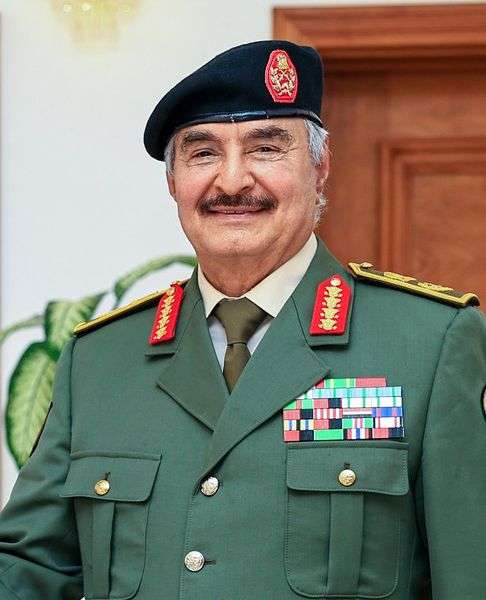
Eastern Libya executes 10 convicted on terrorism charges
DEATH PENALTYAUGUST 21, 2026
Japan: man executed over killing 5 people
DEATH PENALTYAUGUST 15, 2026
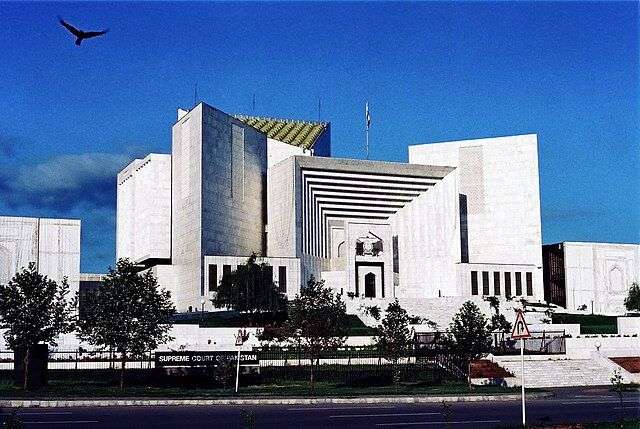
Pakistan: SC upholds death sentence in ex-wife’s murder
DEATH PENALTYAUGUST 14, 2026