
Under the penal code in force at the time of Gaddafi...
Under the penal code in force at the time of Gaddafi...
7 MIN READ
Under the penal code in force at the time of Gaddafi, dating back to 1953, there were 21 crimes punishable by death, including non-violent activities such as those relating to freedom of expression and association and other political offences and economic “crimes”.
Information concerning death sentences and executions were rarely reported.
In February 2011, an armed conflict started in Libya, following a series of peaceful protests that Gaddafi’s security services attempted to repress. Within a week, this uprising had spread across the Country. Gaddafi responded with military force and measures including censorship and the blocking of communications.
A number of States and supranational bodies condemned Gaddafi’s use of military and mercenaries against Libyan civilians. The European Union, first, imposed tough sanctions against Gaddafi’s regime and, then, recognized the National Transitional Council, which was established on 27 February under the stewardship of Mustafa Abdul Jalil, Gaddafi’s former justice minister, to administer the areas of Libya under rebel control.
On 17 March, the United Nations Security Council passed a resolution, presented by France, which imposed a no-fly zone in Libyan airspace. This paved the way for aerial attacks against Libyan military structures and forces loyal to the regime.
On 16 May, the International Criminal Court’s chief prosecutor, Luis Moreno-Ocampo, asked judges to issue arrest warrants for crimes against humanity for Colonel Gaddafi, his son Saif al-Islam Gaddafi, and his intelligence chief Abdullah al-Sanoussa.
After eight months of civil war and NATO air strikes, the armed conflict in Libya between forces loyal to Colonel Muammar Gaddafi and those and those seeking to oust his government, has in fact ended on 20 October 2011, with the capture and the murder of Gaddafi fleeing Sirte, his hometown.
Several videos related to his death were broadcast by news channels and circulated via the internet. The first shows footage of Gaddafi alive, his face and shirt bloodied, stumbling and being dragged toward an ambulance by armed men chanting “God is great” in Arabic. The second shows Gaddafi, stripped to the waist, suffering from an apparent gunshot wound to the head, and in a pool of blood, together with jubilant fighters firing automatic weapons in the air. A third video, posted on YouTube, shows fighters “hovering around his lifeless-looking body, posing for photographs and yanking his limp head up and down by the hair.”
On 23 October 2011, the National Transitional Council declared the “liberation” of Libya and the official end of the war.
Libya’s de facto Prime Minister Mahmoud Jibril said he wished Gaddafi had remained alive so he could be tried for crimes against humanity, saying he had wanted to serve as Gaddafi’s prosecutor, but now that he was dead, Libya would need a meticulous plan for the transition to democracy.
“Regarding the death or assassination of the dictator Gaddafi, which needs to be clarified, I hope we discover the truth straight away,” said Marco Pannella, the leader of the Nonviolent Radical Party, Transnational and Transparty (PRNTT) and Hands Off Cain President. “I am sorry that he can no longer be taken to the Hague for an international trial. This would have given the world the right to the truth and to knowledge of maybe his greatest criminal act. By stopping the highly likely and probable voluntary exile of Saddam, Gaddafi sparked off the war in Iraq, therefore preventing peace. This also prevented democracy and freedom in Iraq. His two accomplices, George W. Bush and Tony Blair, were responsible for the war in Iraq. Bush and Blair are more tainted than Gaddafi, because they betrayed their oaths, their Countries and their duties. The disappearance of Gaddafi affects me greatly. We needed him alive, not dead, the same as with Saddam and all the other “Cains”. Without him I believe we cannot know the even more lurid and dirty details of this tragic page in contemporary human history.”
On 24 October 2011, Human Rights Watch (HRW) reported that 53 people had apparently been executed at a hotel in Sirte the week before. The hotel is in an area of the city that was under the control of anti-Gaddafi fighters from Misrata before the killings took place. “We found 53 decomposing bodies, apparently Gaddafi supporters, at an abandoned hotel in Sirte, and some had their hands bound behind their backs when they were shot,” said Peter Bouckaert, emergencies director at Human Rights Watch, who investigated the killings. The condition of the bodies suggests the victims were killed approximately one week prior to their discovery, between October 14 and October 19, Human Rights Watch said.
On 27 October 2011, Abdel Hafiz Ghoga, vice chairman of the National Transitional Council (NTC), said whoever killed the former dictator, who was seized as he tried to break out of his besieged hometown, would be “judged and given a fair trial.” “We had already launched an investigation. We have issued a code of ethics in handling of prisoners of war. I am sure that was an individual act and not an act of revolutionaries or the national army,” Ghoga said.
On 23 October 2011, during his speech to the nation in Benghazi to formally declare the Country’s liberation from the ousted regime, Libya’s transitional leader Mustafa Abdul-Jalil said that Sharia law will become the “main source” of legislation in the post-Gadhafi era. “We, as an Islamic State, have adopted the Islamic Sharia as the main source of legislation,” Mustafa Abdul Jalil said. “As such, any law that runs contrary to the Islamic principles of the Islamic Sharia is legally void.” Jalil cited as an example the law on divorce and marriage (under Gaddafi, polygamy was banned). “This law is contrary to Sharia and it has been scrapped,” Jalil said. Jalil, however, sought to reassure the international community by stating that Libyans were moderate Muslims and that the new Libya would not adopt any extremist ideology. He did not advocate cutting off the hands of thieves or stoning adulterers.
In a new report released on 15 February 2012, a year on from the start of the February 2011 uprising, Amnesty International warned that armed militias operating across Libya commit widespread human rights abuses with impunity, fuelling insecurity and hindering the rebuilding of State institutions. The report Militias threaten hopes for new Libya documents widespread and serious abuses, including war crimes, by a multitude of militias against suspected al-Gaddafi loyalists, with cases of people being unlawfully detained and tortured – sometimes to death.
No information was available about death sentences and judicial executions in Libya in 2011.
The last executions in Libya took place on 30 May 2010, when eighteen people, including nationals of Nigeria, Chad and Egypt, were executed for premeditated murder. This is the latest news on the death penalty filtered out of the Country under the regime of Gaddafi.
On 9 November 2010, the Libyan Arab Jamahiriya had been reviewed under the Universal Periodic Review of the UN Human Rights Council. In respect of the issue of capital punishment, the Libyan delegation indicated that the death penalty was applied in aggravating crimes and that since 1990 the death penalty had been applied in “only” 201 cases.
On December 20, 2012 Libya voted against the Resolution on a Moratorium on the Use of the Death Penalty at the UN General Assembly.
Information concerning death sentences and executions were rarely reported.
In February 2011, an armed conflict started in Libya, following a series of peaceful protests that Gaddafi’s security services attempted to repress. Within a week, this uprising had spread across the Country. Gaddafi responded with military force and measures including censorship and the blocking of communications.
A number of States and supranational bodies condemned Gaddafi’s use of military and mercenaries against Libyan civilians. The European Union, first, imposed tough sanctions against Gaddafi’s regime and, then, recognized the National Transitional Council, which was established on 27 February under the stewardship of Mustafa Abdul Jalil, Gaddafi’s former justice minister, to administer the areas of Libya under rebel control.
On 17 March, the United Nations Security Council passed a resolution, presented by France, which imposed a no-fly zone in Libyan airspace. This paved the way for aerial attacks against Libyan military structures and forces loyal to the regime.
On 16 May, the International Criminal Court’s chief prosecutor, Luis Moreno-Ocampo, asked judges to issue arrest warrants for crimes against humanity for Colonel Gaddafi, his son Saif al-Islam Gaddafi, and his intelligence chief Abdullah al-Sanoussa.
After eight months of civil war and NATO air strikes, the armed conflict in Libya between forces loyal to Colonel Muammar Gaddafi and those and those seeking to oust his government, has in fact ended on 20 October 2011, with the capture and the murder of Gaddafi fleeing Sirte, his hometown.
Several videos related to his death were broadcast by news channels and circulated via the internet. The first shows footage of Gaddafi alive, his face and shirt bloodied, stumbling and being dragged toward an ambulance by armed men chanting “God is great” in Arabic. The second shows Gaddafi, stripped to the waist, suffering from an apparent gunshot wound to the head, and in a pool of blood, together with jubilant fighters firing automatic weapons in the air. A third video, posted on YouTube, shows fighters “hovering around his lifeless-looking body, posing for photographs and yanking his limp head up and down by the hair.”
On 23 October 2011, the National Transitional Council declared the “liberation” of Libya and the official end of the war.
Libya’s de facto Prime Minister Mahmoud Jibril said he wished Gaddafi had remained alive so he could be tried for crimes against humanity, saying he had wanted to serve as Gaddafi’s prosecutor, but now that he was dead, Libya would need a meticulous plan for the transition to democracy.
“Regarding the death or assassination of the dictator Gaddafi, which needs to be clarified, I hope we discover the truth straight away,” said Marco Pannella, the leader of the Nonviolent Radical Party, Transnational and Transparty (PRNTT) and Hands Off Cain President. “I am sorry that he can no longer be taken to the Hague for an international trial. This would have given the world the right to the truth and to knowledge of maybe his greatest criminal act. By stopping the highly likely and probable voluntary exile of Saddam, Gaddafi sparked off the war in Iraq, therefore preventing peace. This also prevented democracy and freedom in Iraq. His two accomplices, George W. Bush and Tony Blair, were responsible for the war in Iraq. Bush and Blair are more tainted than Gaddafi, because they betrayed their oaths, their Countries and their duties. The disappearance of Gaddafi affects me greatly. We needed him alive, not dead, the same as with Saddam and all the other “Cains”. Without him I believe we cannot know the even more lurid and dirty details of this tragic page in contemporary human history.”
On 24 October 2011, Human Rights Watch (HRW) reported that 53 people had apparently been executed at a hotel in Sirte the week before. The hotel is in an area of the city that was under the control of anti-Gaddafi fighters from Misrata before the killings took place. “We found 53 decomposing bodies, apparently Gaddafi supporters, at an abandoned hotel in Sirte, and some had their hands bound behind their backs when they were shot,” said Peter Bouckaert, emergencies director at Human Rights Watch, who investigated the killings. The condition of the bodies suggests the victims were killed approximately one week prior to their discovery, between October 14 and October 19, Human Rights Watch said.
On 27 October 2011, Abdel Hafiz Ghoga, vice chairman of the National Transitional Council (NTC), said whoever killed the former dictator, who was seized as he tried to break out of his besieged hometown, would be “judged and given a fair trial.” “We had already launched an investigation. We have issued a code of ethics in handling of prisoners of war. I am sure that was an individual act and not an act of revolutionaries or the national army,” Ghoga said.
On 23 October 2011, during his speech to the nation in Benghazi to formally declare the Country’s liberation from the ousted regime, Libya’s transitional leader Mustafa Abdul-Jalil said that Sharia law will become the “main source” of legislation in the post-Gadhafi era. “We, as an Islamic State, have adopted the Islamic Sharia as the main source of legislation,” Mustafa Abdul Jalil said. “As such, any law that runs contrary to the Islamic principles of the Islamic Sharia is legally void.” Jalil cited as an example the law on divorce and marriage (under Gaddafi, polygamy was banned). “This law is contrary to Sharia and it has been scrapped,” Jalil said. Jalil, however, sought to reassure the international community by stating that Libyans were moderate Muslims and that the new Libya would not adopt any extremist ideology. He did not advocate cutting off the hands of thieves or stoning adulterers.
In a new report released on 15 February 2012, a year on from the start of the February 2011 uprising, Amnesty International warned that armed militias operating across Libya commit widespread human rights abuses with impunity, fuelling insecurity and hindering the rebuilding of State institutions. The report Militias threaten hopes for new Libya documents widespread and serious abuses, including war crimes, by a multitude of militias against suspected al-Gaddafi loyalists, with cases of people being unlawfully detained and tortured – sometimes to death.
No information was available about death sentences and judicial executions in Libya in 2011.
The last executions in Libya took place on 30 May 2010, when eighteen people, including nationals of Nigeria, Chad and Egypt, were executed for premeditated murder. This is the latest news on the death penalty filtered out of the Country under the regime of Gaddafi.
On 9 November 2010, the Libyan Arab Jamahiriya had been reviewed under the Universal Periodic Review of the UN Human Rights Council. In respect of the issue of capital punishment, the Libyan delegation indicated that the death penalty was applied in aggravating crimes and that since 1990 the death penalty had been applied in “only” 201 cases.
On December 20, 2012 Libya voted against the Resolution on a Moratorium on the Use of the Death Penalty at the UN General Assembly.
KEEP READING
ALL THE NEWS · DEATH PENALTY On the same front
DEATH PENALTYAUGUST 31, 2026
Pakistan: ASI sentenced to death for killing two brothers in Swabi
DEATH PENALTYAUGUST 30, 2026
Pakistan: Man sentenced to death, brother gets life term for double murder in 2021
DEATH PENALTYAUGUST 23, 2026
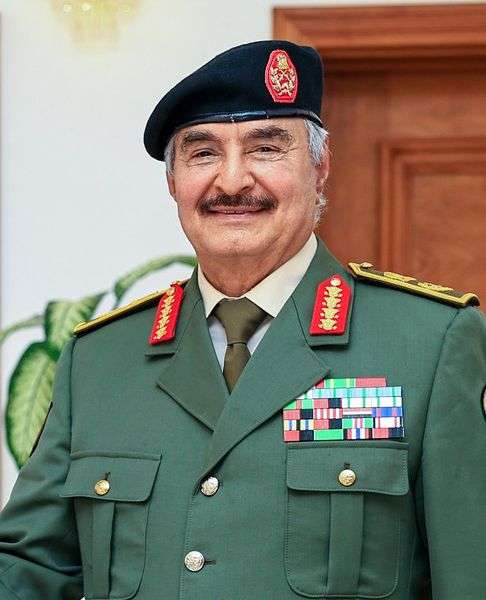
Eastern Libya executes 10 convicted on terrorism charges
DEATH PENALTYAUGUST 21, 2026
Japan: man executed over killing 5 people
DEATH PENALTYAUGUST 15, 2026
Pakistan: SC upholds death sentence in ex-wife’s murder
DEATH PENALTYAUGUST 14, 2026