
USA: DPIC RELEASES YEAR END REPORT
The use of the death penalty in the U.S. declined by virtually every measure in 2015.
2 MIN READ
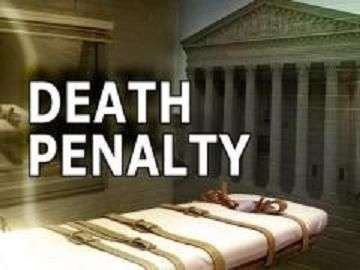
The use of the death penalty in the U.S. declined by virtually every measure in 2015.
The 28 executions this year marked the lowest number since 1991, according to a report released today by the Death Penalty Information Center (DPIC).
As of December 15, fourteen states and the federal government have imposed 49 new death sentences this year, a 33% decline over last year’s total and the lowest number since the early 1970s when the death penalty was halted by the U.S. Supreme Court.
Only six states conducted executions this year, the fewest number of states in 27 years. Eighty-six percent of executions this year were concentrated in just three states: Texas (13), Missouri (6), and Georgia (5). Executions in 2015 declined 20 percent from 2014, when there were 35. Relatively few jurisdictions handed down death sentences in 2015.
A single county — Riverside, California — imposed 16% of all death sentences in the U.S., and accounted for more death verdicts than any state, except for Florida.
More than a quarter of the death sentences were imposed by Florida and Alabama after non-unanimous jury recommendations of death — a practice barred in all but three states. Texas, by contrast, imposed only two new death sentences in 2015.
Nearly two-thirds of all new death sentences this year came from the same two percent of U.S. counties that are responsible for more than half of all death-sentenced inmates nationwide.
Death Sentences by Race of Defendant in 2015: Black (21), White (16), Latino (8), Asian (2), Other (2). Even as the use of the death penalty declined, its most dangerous flaw remained apparent. Six death row prisoners were exonerated of all charges this year, one each in Alabama, Arizona, Florida, Georgia, Mississippi, and Texas. Since 1973, a total of 156 inmates have been exonerated and freed from death row.
The number of people on death row dropped below 3,000 for the first time since 1995, according to the latest survey by the NAACP Legal Defense Fund. At least 70 death row prisoners with execution dates in 2015 received stays, reprieves, or commutations, 2.5 times the number who were executed. In addition, there is an ongoing risk that judicial review is inadequate to protect capital defendants with serious intellectual disabilities or crippling mental illness.
DPIC’s report states: “The death penalty is supposed to be reserved for the worst of the worst crimes and the worst of the worst offenders. However, two-thirds of the 28 people executed in 2015 exhibited symptoms of severe mental illness, intellectual disability, the debilitating effects of extreme trauma and abuse, or some combination of the three.”
The 28 executions this year marked the lowest number since 1991, according to a report released today by the Death Penalty Information Center (DPIC).
As of December 15, fourteen states and the federal government have imposed 49 new death sentences this year, a 33% decline over last year’s total and the lowest number since the early 1970s when the death penalty was halted by the U.S. Supreme Court.
Only six states conducted executions this year, the fewest number of states in 27 years. Eighty-six percent of executions this year were concentrated in just three states: Texas (13), Missouri (6), and Georgia (5). Executions in 2015 declined 20 percent from 2014, when there were 35. Relatively few jurisdictions handed down death sentences in 2015.
A single county — Riverside, California — imposed 16% of all death sentences in the U.S., and accounted for more death verdicts than any state, except for Florida.
More than a quarter of the death sentences were imposed by Florida and Alabama after non-unanimous jury recommendations of death — a practice barred in all but three states. Texas, by contrast, imposed only two new death sentences in 2015.
Nearly two-thirds of all new death sentences this year came from the same two percent of U.S. counties that are responsible for more than half of all death-sentenced inmates nationwide.
Death Sentences by Race of Defendant in 2015: Black (21), White (16), Latino (8), Asian (2), Other (2). Even as the use of the death penalty declined, its most dangerous flaw remained apparent. Six death row prisoners were exonerated of all charges this year, one each in Alabama, Arizona, Florida, Georgia, Mississippi, and Texas. Since 1973, a total of 156 inmates have been exonerated and freed from death row.
The number of people on death row dropped below 3,000 for the first time since 1995, according to the latest survey by the NAACP Legal Defense Fund. At least 70 death row prisoners with execution dates in 2015 received stays, reprieves, or commutations, 2.5 times the number who were executed. In addition, there is an ongoing risk that judicial review is inadequate to protect capital defendants with serious intellectual disabilities or crippling mental illness.
DPIC’s report states: “The death penalty is supposed to be reserved for the worst of the worst crimes and the worst of the worst offenders. However, two-thirds of the 28 people executed in 2015 exhibited symptoms of severe mental illness, intellectual disability, the debilitating effects of extreme trauma and abuse, or some combination of the three.”
— SOURCES
- (Sources; DPIC, 15/12/2015)
KEEP READING
ALL THE NEWS · DEATH PENALTY On the same front

DEATH PENALTYAUGUST 31, 2026
Pakistan: ASI sentenced to death for killing two brothers in Swabi

DEATH PENALTYAUGUST 30, 2026
Pakistan: Man sentenced to death, brother gets life term for double murder in 2021

DEATH PENALTYAUGUST 23, 2026
Eastern Libya executes 10 convicted on terrorism charges

DEATH PENALTYAUGUST 21, 2026
Japan: man executed over killing 5 people
DEATH PENALTYAUGUST 15, 2026
Pakistan: SC upholds death sentence in ex-wife’s murder

DEATH PENALTYAUGUST 14, 2026