
SOUTH KOREA. AUTOMATIC DEATH PENALTY RULED UNCONSTITUTIONAL
the South Korean law that automatically gives the death penalty to any soldier
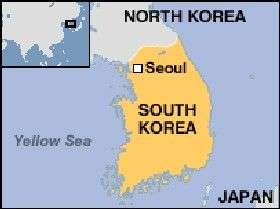
the South Korean law that automatically gives the death penalty to any soldier convicted of killing his or her superior officer is unconstitutional, the Constitutional Court ruled. The ruling may spare the life of Private First Class Kim Dong-min.
On June 15, 2005, he started shooting at random and exploded a hand grenade inside his barrack's unit in Yeoncheon, Kyonggi. Eight members of his unit were killed and four others injured. Kim was court-martialled and sentenced to death after being convicted of killing superior officers.
The capital punishment rule is contained in clause 1 of Article 53 of Korea's military criminal law.
Kim appealed to the Supreme Court, asking it to send a constitutionality petition to the Constitutional Court. Seven of the nine members of the Constitutional Court agreed the clause is unconstitutional. "Without asking the motive behind the killing of the superior officer, the code only specifies the death penalty," the Constitutional Court said.
"That is an excessive punishment." The court said the clause contradicts the nation's judicial system, which respects human life.
"The current criminal code provides a wide range of punishment for a murder, from more than five years' imprisonment to life imprisonment and the death penalty," the court said.
"It also allows the punishment to be suspended. The clause in the military criminal law is extremely out of balance."
The court said the military criminal law should be revised so the motive of the murder and the method of the killing are taken into account before the punishment is handed down.
On June 15, 2005, he started shooting at random and exploded a hand grenade inside his barrack's unit in Yeoncheon, Kyonggi. Eight members of his unit were killed and four others injured. Kim was court-martialled and sentenced to death after being convicted of killing superior officers.
The capital punishment rule is contained in clause 1 of Article 53 of Korea's military criminal law.
Kim appealed to the Supreme Court, asking it to send a constitutionality petition to the Constitutional Court. Seven of the nine members of the Constitutional Court agreed the clause is unconstitutional. "Without asking the motive behind the killing of the superior officer, the code only specifies the death penalty," the Constitutional Court said.
"That is an excessive punishment." The court said the clause contradicts the nation's judicial system, which respects human life.
"The current criminal code provides a wide range of punishment for a murder, from more than five years' imprisonment to life imprisonment and the death penalty," the court said.
"It also allows the punishment to be suspended. The clause in the military criminal law is extremely out of balance."
The court said the military criminal law should be revised so the motive of the murder and the method of the killing are taken into account before the punishment is handed down.
— SOURCES
- (Sources: BBC, 30/11/2007)