
INDIA: SUPREME COURT MOVES AWAY FROM DEATH PENALTY
The Supreme Court has moved away from death penalty (capital punishment) after it commuted the death
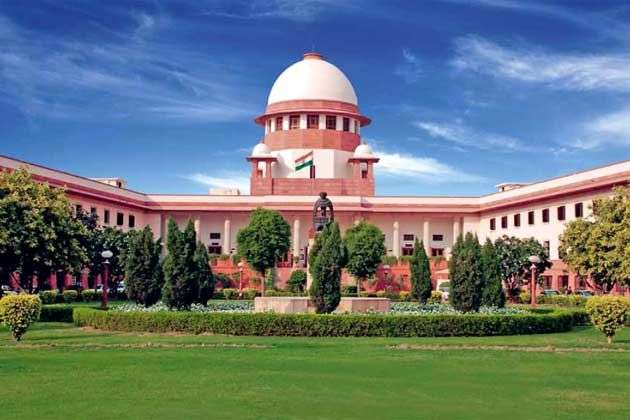
The Supreme Court has moved away from death penalty (capital punishment) after it commuted the death sentence of a youth for raping and killing a seven-year-old girl with the Special Category of Punishment. The apex court in its judicial innovation awarded the convict 25 year jail term considering it appropriate punishment between death sentence and life imprisonment in heinous crimes.
Special Category of Punishment is judicial innovation that will be veering away from capital punishment. It will be limited to a “very few cases”. In this case capital punishment will be shifted to life imprisonment without the benefit of release on remission for prolonged periods ranging from 25 to 30 years, if not more.
It was formalised by a Constitution Bench of the Supreme Court in the Rajiv Gandhi killers’ case in December 2015. It helps “get rid of death penalty” and addresses the genuine concerns of the society to see justice done.
This special category of Punishment for the first time was mentioned in the Swami Shraddananda versus State of Karnataka judgment of the Supreme Court in 2008. Later in 2016, the apex Court had given itself the authority to tweak the sentencing laws and evolve a special category of sentence in its judgment in Union of India versus Sriharan alias Murugan.
The judicial innovation of the special category of punishment bridges the gap between death sentence (capital punishment) on the extreme and only 14 years of actual life imprisonment on the other. It may be considered as endeavour of the Supreme Court to make no party (convict or the society) a loser. Thus, it can be said that with judicial innovation of special category sentence the apex court may have found alternative to capital punishment.
Special Category of Punishment is judicial innovation that will be veering away from capital punishment. It will be limited to a “very few cases”. In this case capital punishment will be shifted to life imprisonment without the benefit of release on remission for prolonged periods ranging from 25 to 30 years, if not more.
It was formalised by a Constitution Bench of the Supreme Court in the Rajiv Gandhi killers’ case in December 2015. It helps “get rid of death penalty” and addresses the genuine concerns of the society to see justice done.
This special category of Punishment for the first time was mentioned in the Swami Shraddananda versus State of Karnataka judgment of the Supreme Court in 2008. Later in 2016, the apex Court had given itself the authority to tweak the sentencing laws and evolve a special category of sentence in its judgment in Union of India versus Sriharan alias Murugan.
The judicial innovation of the special category of punishment bridges the gap between death sentence (capital punishment) on the extreme and only 14 years of actual life imprisonment on the other. It may be considered as endeavour of the Supreme Court to make no party (convict or the society) a loser. Thus, it can be said that with judicial innovation of special category sentence the apex court may have found alternative to capital punishment.
— SOURCES
- (Sources: currentaffairs.gktoday.in, 19/09/2016)